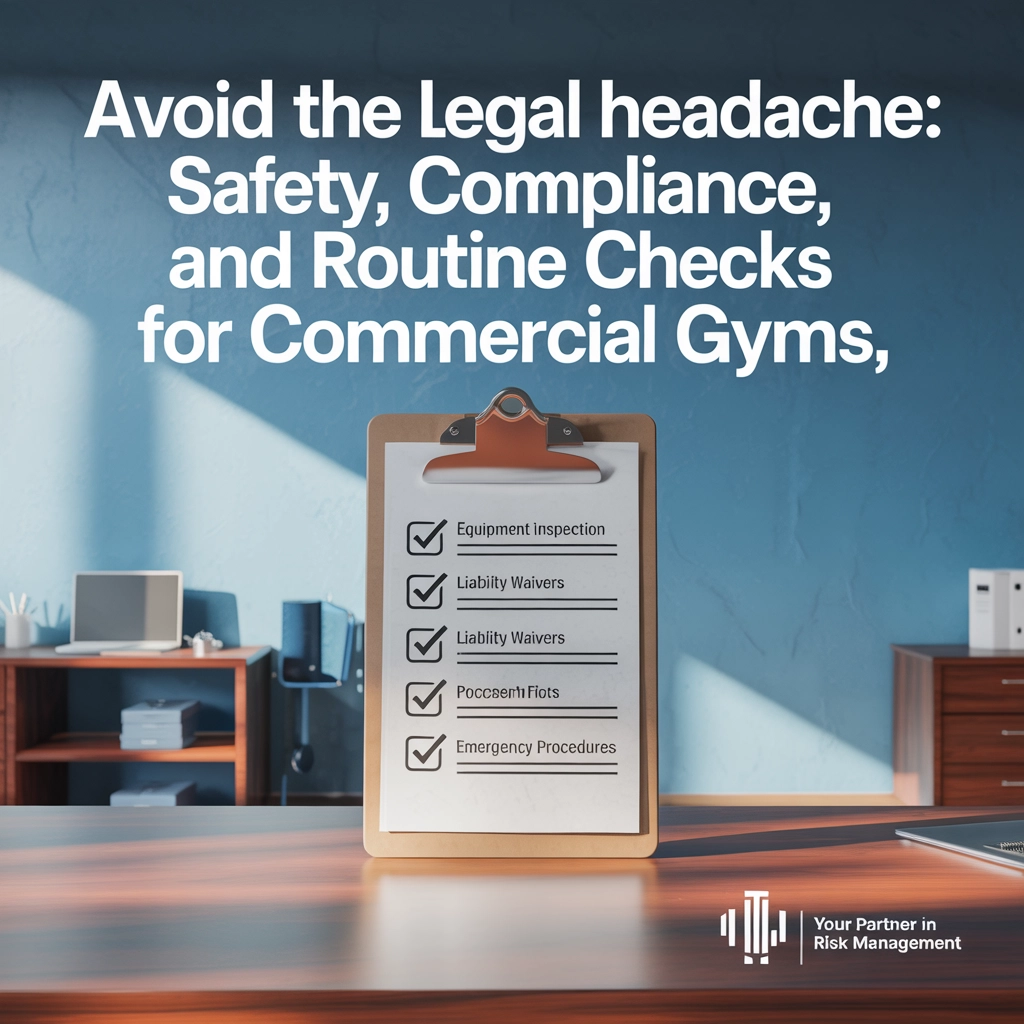
The Hidden Costs of Non-Compliance
Running a commercial gym is about more than just providing great equipment and motivational staff. Behind the scenes, a web of legal requirements, safety standards, and compliance protocols keeps your business protected from potentially devastating lawsuits and regulatory penalties.
At HeartBeat Fitness Repair, we’ve seen firsthand how equipment failures and maintenance oversights can lead to serious legal complications. One commercial gym owner we worked with faced a $250,000 lawsuit when a treadmill malfunctioned due to poor maintenance, causing a member to fall and sustain injuries. The kicker? A simple $200 routine maintenance check could have prevented the entire ordeal.
Let’s dive into what you need to know to keep your gym legally sound and your members safe.
Essential Legal Requirements for Commercial Gyms
Every commercial gym operates under a framework of legal requirements designed to ensure public safety and business accountability. These vary by location but typically include:
Business Licensing and Permits
- Business License: Required in all jurisdictions to legally operate
- Health Department Permits: Necessary if you offer amenities like pools, showers, or food services
- Occupancy Permits: Certifies your space meets building codes for your specific use
- Music Licensing: Required for playing music in your facility (through services like ASCAP or BMI)
“Discovering you’re operating without proper licensing during a random inspection can result in immediate closure and hefty fines,” warns Tom Reynolds, a fitness facility compliance consultant. “It’s not just about getting the licenses—it’s about maintaining them through regular renewals and updates.”
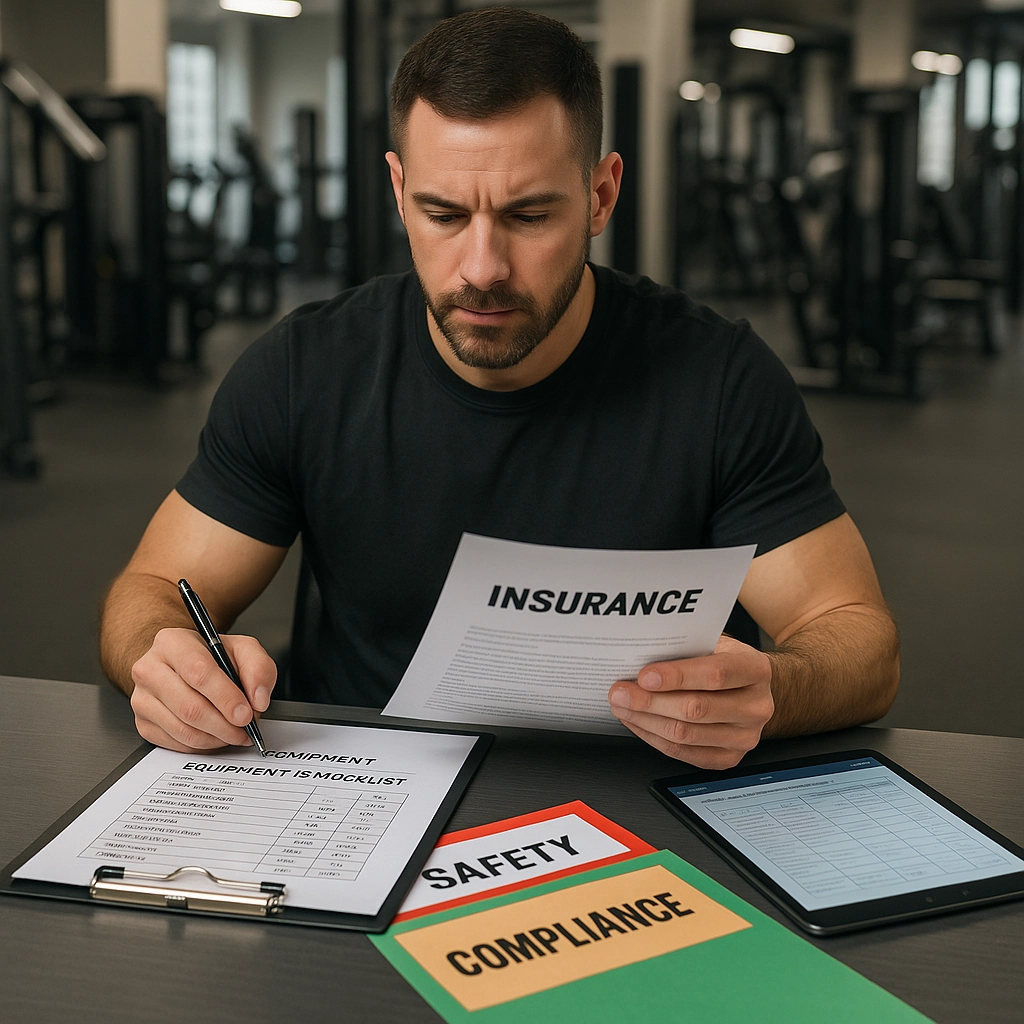
Insurance Requirements
- Professional liability insurance
- General liability insurance
- Property insurance
- Workers’ compensation insurance
Many gym owners underestimate insurance needs until it’s too late. Your policy should specifically cover fitness-related injuries and incidents, not just general business liability.
Safety Standards and Protocols: Your First Line of Defense
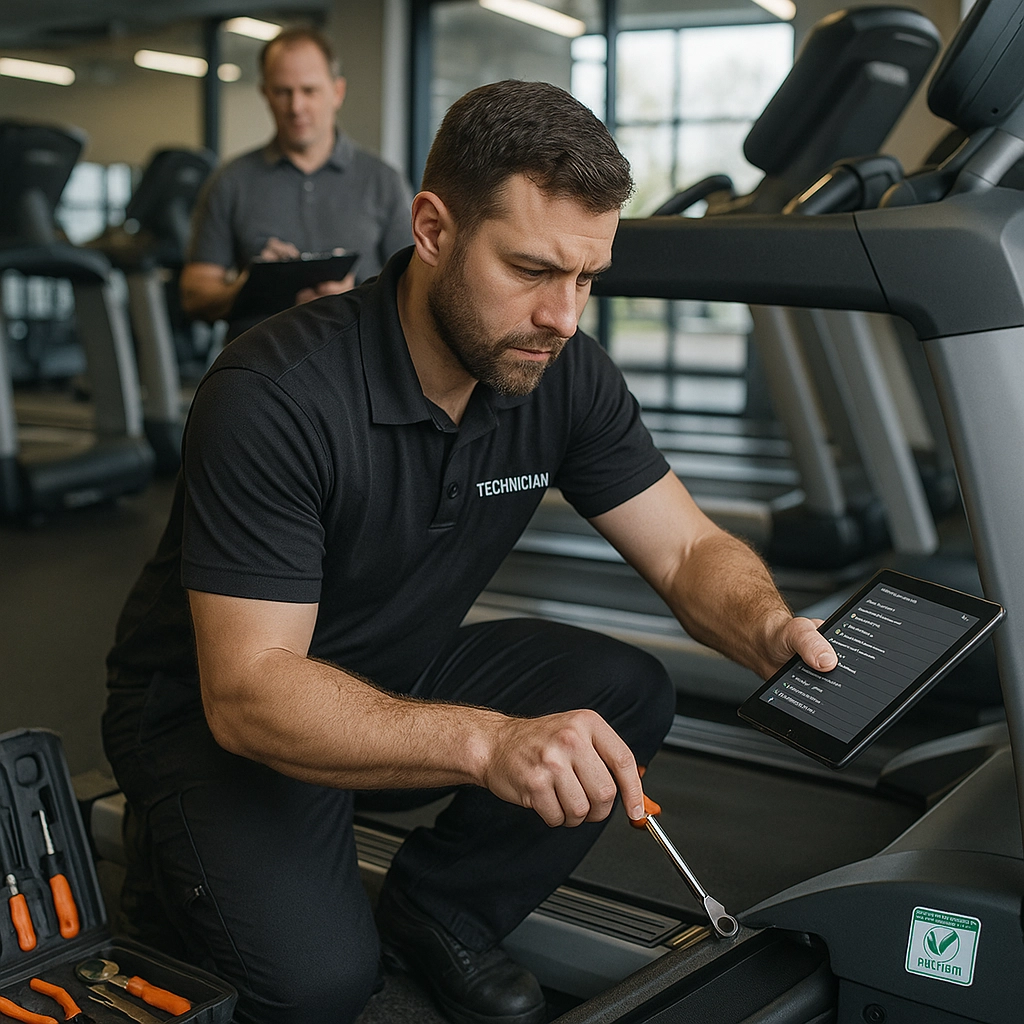
Equipment Safety Checks
Implementing a regular schedule of equipment inspections isn’t just good business practice—it’s a legal necessity. Your routine should include:
- Daily visual inspections by staff (loose parts, frayed cables, missing safety features)
- Weekly operational tests of all electronic equipment
- Monthly comprehensive inspections of all strength equipment
- Quarterly professional maintenance from certified technicians
Documentation is crucial here. Keep detailed maintenance logs for every piece of equipment, noting:
- Date of inspection
- Staff member performing the check
- Issues identified
- Repairs made
- Replacement parts installed
These records become your best defense if equipment failure ever leads to injury claims.
Emergency Response Planning
Every commercial gym must have clearly defined emergency protocols covering:
- Medical emergencies
- Fire evacuation
- Natural disasters
- Violence or security threats
Your emergency plan should include:
- Written procedures for each type of emergency
- Staff training on emergency responses
- Posted evacuation routes
- Regularly stocked first aid kits
- AED (Automated External Defibrillator) equipment with staff trained in its use
- Emergency contact information readily available
“Having an AED isn’t just recommended—in many states, it’s legally required for fitness facilities,” notes Sarah Chen, a gym safety compliance officer. “And it’s not enough to simply have one. Staff must be trained on its use, and the device must be regularly maintained.”
Routine Compliance Checks: The Prevention Strategy
Preventing legal issues requires proactive management through regular compliance checks:
Weekly Checks:
- Emergency exit accessibility
- First aid supplies inventory
- Equipment functionality spot checks
- Cleanliness standards review
Monthly Checks:
- Comprehensive equipment inspection
- Staff certification verification
- Safety signage review
- Member injury reports analysis
Quarterly Checks:
- Professional equipment maintenance
- Emergency drill practice
- Policy and waiver reviews
- Staff safety training refreshers
Member Waivers and Agreements: Your Legal Shield
Member agreements and waivers constitute a critical layer of legal protection, but they must be properly crafted to be effective.
“Many gym owners download generic waivers online and think they’re protected,” says Mark Williams, a fitness industry attorney. “But courts frequently invalidate these one-size-fits-all documents because they don’t address state-specific requirements or the unique risks of particular facilities.”
Your waivers and agreements should:
- Be written or reviewed by an attorney familiar with fitness industry liability
- Clearly outline all potential risks specific to your facility
- Use language understandable to the average person
- Be signed prior to any member using the facility
- Be securely stored and easily retrievable
- Be updated annually to reflect new equipment or services
Remember that waivers don’t protect against negligence or failure to maintain safe conditions—they’re just one part of a comprehensive legal protection strategy.
Staff Training: Your Human Compliance System
Your staff forms the front line of your legal defense system. Proper training should include:
- CPR and first aid certification for all floor staff
- Equipment safety operation training
- Emergency response procedures
- Identifying and reporting maintenance issues
- Understanding legal boundaries when providing fitness advice
“Staff should understand not just what to do, but why it matters,” emphasizes fitness facility manager Diana Rodriguez. “When they recognize that proper towel placement on a bench isn’t just about cleanliness but about preventing MRSA infections that could lead to lawsuits, they take these protocols much more seriously.”
Document all staff training sessions with:
- Date and time
- Topics covered
- Attendance records
- Certification copies
- Knowledge verification tests
This documentation becomes invaluable if you ever need to demonstrate that you’ve properly trained your team on safety protocols.
Technology Solutions for Compliance Management
Modern gym management has been revolutionized by technology designed specifically for compliance tracking:
- Maintenance management software: Automatically schedules inspections and tracks completion
- Digital checklists: Ensures nothing gets missed during routine checks
- Equipment QR codes: Allows instant access to maintenance history and documentation
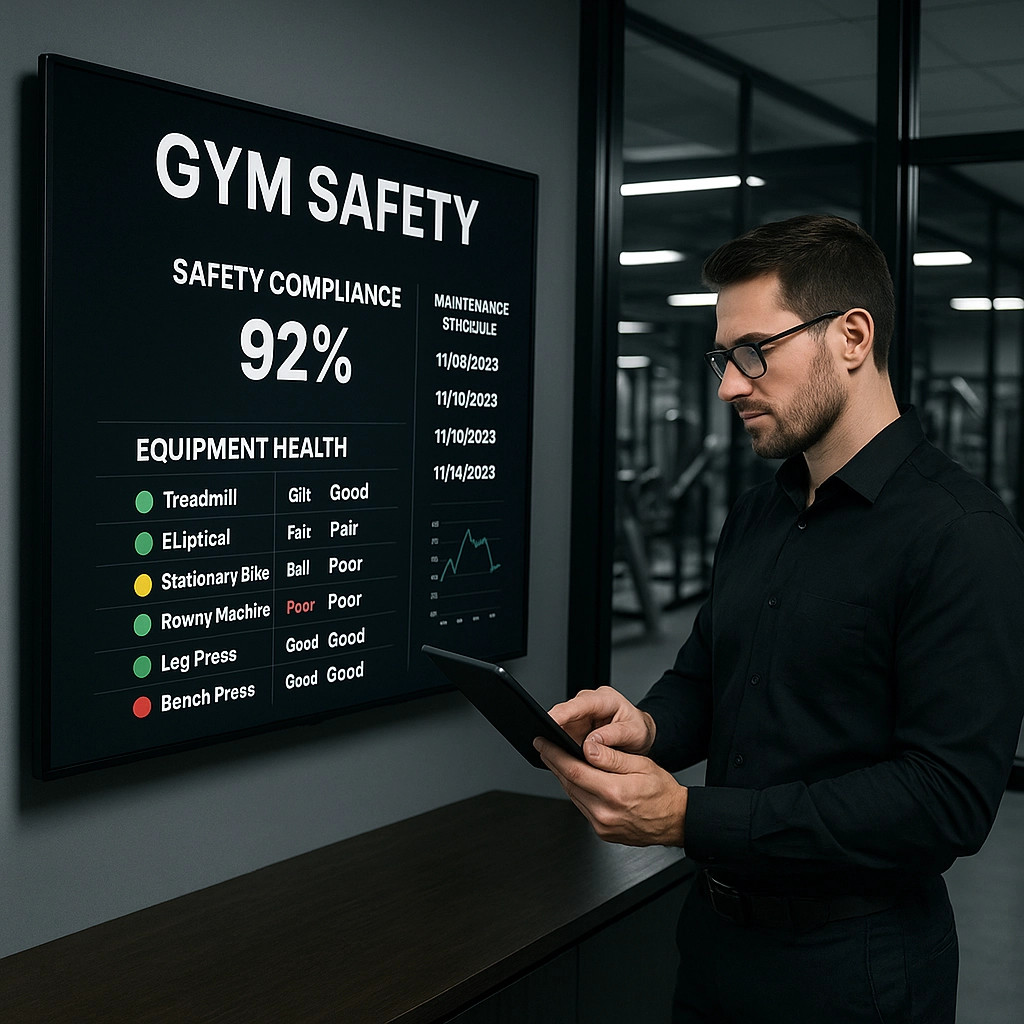
- Compliance dashboards: Provides at-a-glance views of your facility’s compliance status
“The days of paper logs in three-ring binders are over,” notes fitness technology consultant James Park. “Digital compliance tracking not only improves accuracy but provides instant documentation if you’re ever facing legal questions about your maintenance practices.”
Creating a Culture of Safety and Compliance
The most effective approach to legal protection isn’t just checking boxes—it’s building safety and compliance into your gym’s culture:
- Include safety in your mission statement and core values
- Recognize and reward staff who identify and report potential issues
- Discuss safety improvements in regular staff meetings
- Invite member feedback on safety concerns
- Share safety success metrics with your team
“When we implemented a ‘safety first’ culture at our multi-location fitness centers, we saw insurance claims drop by 64% in the first year,” reports fitness chain operator Michael Chen. “Our insurance premiums decreased, and member satisfaction actually increased because people feel more confident in facilities that visibly prioritize their safety.”
Conclusion: Compliance as a Competitive Advantage
Viewing safety and compliance as merely cost centers or necessary evils misses the bigger picture. Well-maintained equipment, professionally trained staff, and visible safety protocols don’t just protect you legally—they enhance member experience and differentiate your facility from competitors who cut corners.
At HeartBeat Fitness Repair, we’ve helped hundreds of gym owners transform their compliance programs from reactive to proactive, not just avoiding legal headaches but creating genuine competitive advantages.
Remember: The most expensive maintenance is the maintenance you didn’t do. The most costly safety feature is the one you skipped. And the most dangerous legal advice is assuming “it won’t happen to me.”
For a professional assessment of your gym’s equipment safety compliance, contact us for a comprehensive evaluation. Because when it comes to legal protection, prevention isn’t just better than cure—it’s the only strategy that truly works.
 Heartbeat Fitness Repair
Leave a comment