The Hidden Costs of Cutting Corners
Running a commercial gym is more than just providing equipment and collecting membership fees. Behind the scenes, there’s a complex web of legal requirements that, if ignored, can lead to devastating consequences. From equipment-related injuries to compliance violations, the legal risks are real and potentially business-ending.
“Most gym owners don’t realize they’re sitting on a legal time bomb until it’s too late,” says a veteran fitness facility attorney. “By then, they’re facing lawsuits, insurance nightmares, and reputation damage that could have been prevented with proper maintenance and compliance protocols.”
Let’s dive into what you need to know to protect your gym business, your members, and your future.
The Big Three: Safety, Compliance, and Documentation
Commercial gym owners face three primary areas of legal exposure: safety standards, regulatory compliance, and proper documentation. Mastering these three pillars creates a solid foundation for legal protection.
Safety First: More Than Just a Slogan
Safety in a commercial gym environment goes beyond common sense practices. It requires systematic approaches and diligent attention to detail.
Equipment Safety Protocols
Your fitness equipment is simultaneously your greatest asset and your biggest liability. Regular maintenance isn’t just about keeping machines running smoothly—it’s about preventing the catastrophic failures that lead to serious injuries and lawsuits.
Key equipment safety practices include:
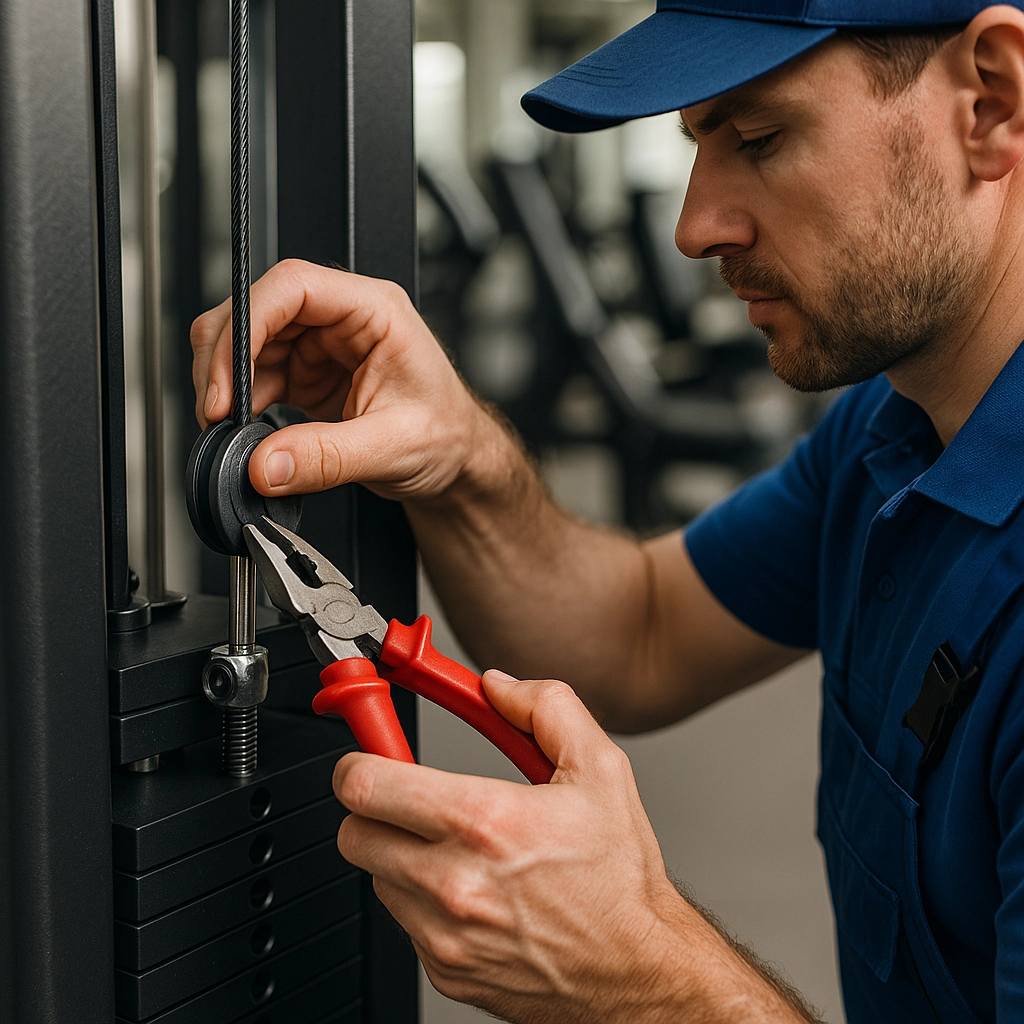
- Daily visual inspections – Train staff to spot warning signs like frayed cables, loose bolts, or unusual noises
- Weekly operational checks – Test all movable parts, safety stops, and electronic functions
- Monthly comprehensive inspections – Document thorough examinations of all equipment components
- Quarterly professional maintenance – Partner with certified technicians from services like HeartBeat Fitness Repair to catch issues before they become dangerous
“The difference between a machine that looks fine and one that is actually safe can be invisible to the untrained eye,” explains our lead technician. “Professional maintenance catches the hidden wear patterns that predict failures before they happen.”
Facility Safety Requirements
Beyond equipment, your physical space presents numerous safety considerations:
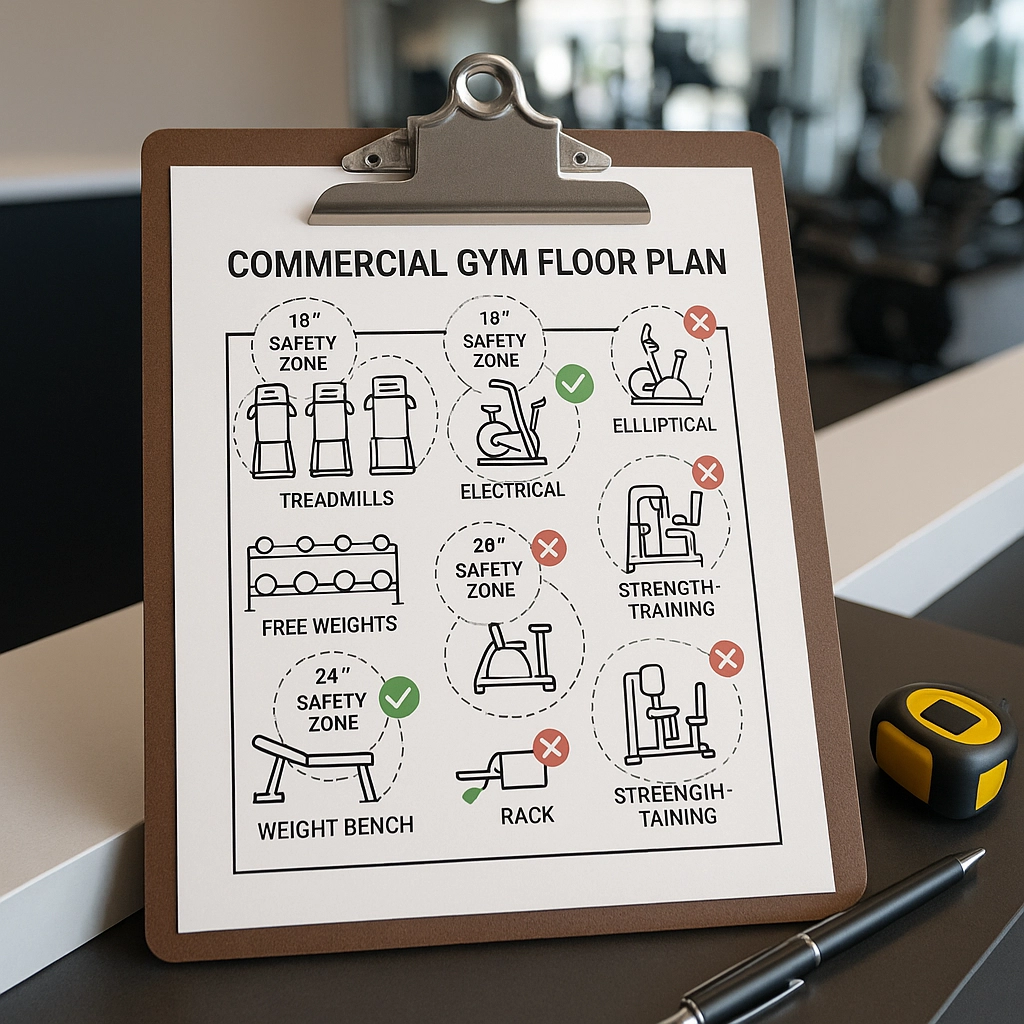
- Proper spacing between machines (typically 2-3 feet minimum)
- Non-slip flooring in free weight areas and around water sources
- Adequate lighting throughout the facility
- Clear emergency exit pathways
- Proper ventilation to prevent air quality issues
- Sanitation stations and cleaning protocols
Compliance: Navigating the Regulatory Maze
Commercial gyms operate under multiple regulatory frameworks, each with specific requirements that vary by location. Failure to comply with these regulations can result in fines, forced closures, and increased liability exposure.
Equipment-Specific Regulations
Fitness equipment must meet various standards, including:
- ASTM International standards for fitness equipment design and construction
- UL certification for electrical components
- ADA compliance for accessibility
- Manufacturer maintenance requirements that affect warranty validity
Many gym owners don’t realize that skipping manufacturer-recommended maintenance schedules can void warranties and create direct liability if accidents occur. Equipment manufacturers specify maintenance intervals for a reason—they know when components typically begin to fail.
Health Department Requirements
Local health departments typically regulate commercial fitness facilities with requirements including:
- Regular cleaning and disinfection protocols
- Proper handling of bodily fluids
- Air quality standards
- Water testing (for facilities with pools, spas, or showers)
- Staff training on sanitation procedures
Insurance Compliance
Your insurance policy isn’t just a bill you pay—it’s a contract with specific requirements. Most gym insurance policies mandate:
- Regular professional equipment maintenance
- Staff certification in CPR and first aid
- Incident reporting procedures
- Member waivers and releases
- Safety signage throughout the facility
Failing to meet these requirements can give insurers grounds to deny claims when incidents occur, leaving you personally exposed to liability.
Documentation: Your Legal Shield
When legal challenges arise, documentation becomes your most powerful defense. Without proper records, you’re fighting an uphill battle even when you’ve done everything right.
Creating a Bulletproof Maintenance Log
Your maintenance documentation should include:
- Equipment inventory with model numbers, serial numbers, and purchase dates
- Maintenance history for each piece of equipment
- Service provider credentials and contact information
- Repair records including parts replaced and issues addressed
- Photos of equipment condition before and after service
- Staff training records on equipment safety
“In legal disputes, the gym that can produce detailed maintenance records typically prevails,” notes a fitness industry insurance specialist. “It’s the difference between a quick dismissal and a protracted legal battle.”
Member Agreements and Waivers
While not foolproof, properly constructed waivers and member agreements provide crucial legal protection. These documents should:
- Clearly outline member responsibilities
- Explain inherent risks of exercise and equipment use
- Include proper assumption of risk language
- Be regularly reviewed by legal counsel
- Be signed by all members before facility use
Incident Documentation
When accidents happen—and they will—proper documentation is essential:
- Detailed incident reports completed immediately
- Witness statements collected promptly
- Photos of the incident area
- Video footage preserved when available
- Equipment quarantined and inspected before returning to service
- Medical follow-up records when appropriate
Creating a Proactive Maintenance Schedule
The best legal protection is preventing incidents before they occur. A proactive maintenance schedule should include:
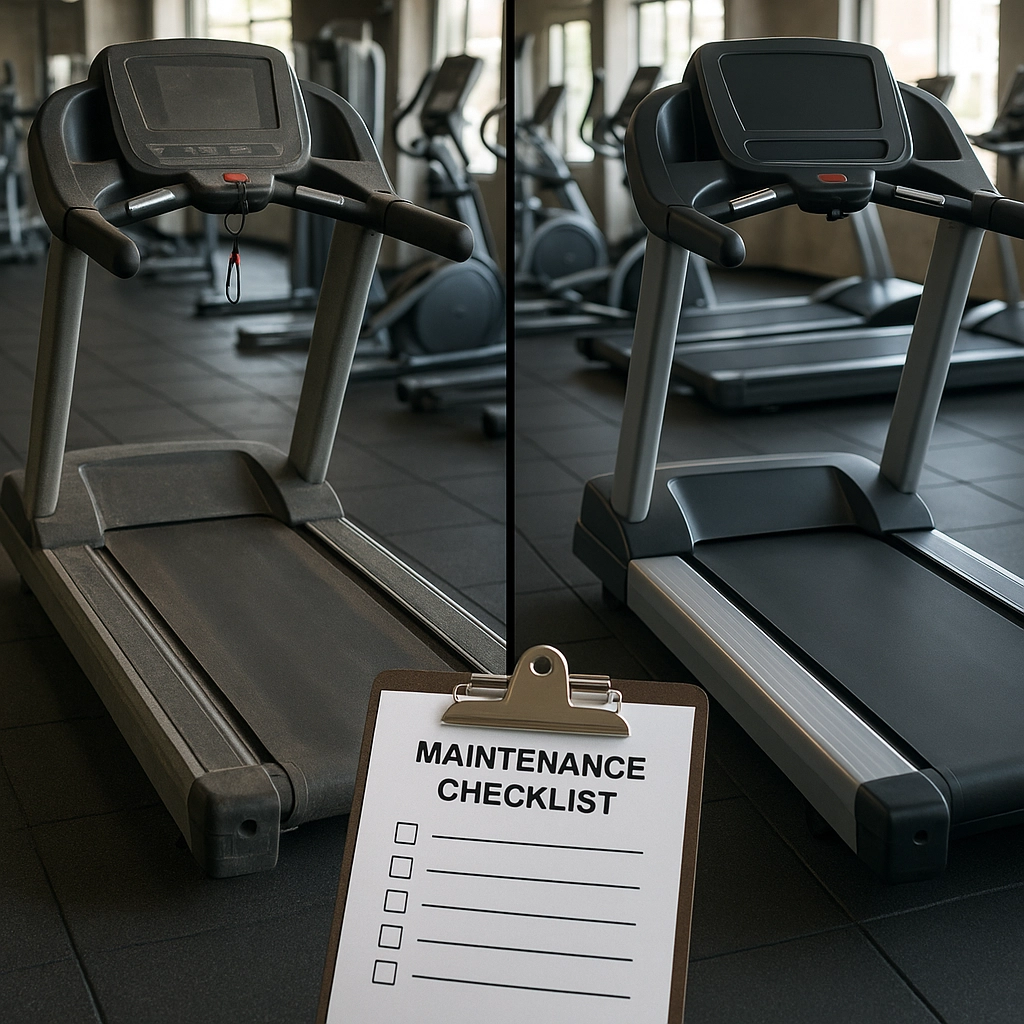
- Daily checks – Staff visual inspections and basic cleaning
- Weekly inspections – Deeper cleaning and functional testing
- Monthly reviews – Comprehensive equipment evaluation
- Quarterly professional service – Certified technicians performing preventive maintenance
- Annual overhauls – Complete disassembly, inspection, and rebuilding of critical equipment
“Most equipment failures don’t happen suddenly—they develop over time with warning signs that trained professionals can spot,” explains our maintenance director. “Regular service visits catch these issues early when they’re still affordable to fix.”
The Cost of Cutting Corners vs. Preventive Maintenance
Many gym owners view regular maintenance as an expense they can reduce. This perspective changes dramatically when considering the potential costs of equipment-related incidents:
- Legal fees ($300-500 per hour)
- Settlement costs ($10,000-$1,000,000+)
- Insurance premium increases (25-300%)
- Lost revenue during investigations or closures
- Reputation damage (incalculable)
Compare these potential costs to regular maintenance:
- Quarterly professional maintenance ($500-1,500)
- Staff training on safety protocols ($200-800 annually)
- Documentation systems ($10-100 monthly)
The math is clear: preventive maintenance isn’t just safer—it’s significantly more cost-effective than dealing with the aftermath of preventable incidents.
Partner With Experts for Peace of Mind
At HeartBeat Fitness Repair, we specialize in helping commercial gym owners maintain legal compliance through expert equipment maintenance, documentation, and safety protocols. Our certified technicians understand both the technical and legal aspects of fitness equipment maintenance.
Our comprehensive service programs include:
- Regular maintenance schedules tailored to your equipment mix
- Detailed documentation for insurance and legal protection
- Staff training on daily safety checks
- Emergency repair services
- Compliance consulting for regulatory requirements
Don’t wait for a problem to arise. Take proactive steps to protect your business, your members, and your peace of mind. Contact us today to schedule a compliance assessment and create a maintenance plan that keeps your gym both safe and legally protected.
Remember, in the world of commercial fitness, an ounce of prevention truly is worth a pound of cure—or in this case, potentially millions in legal settlements and damaged reputation.

 Heartbeat Fitness Repair
Leave a comment