Your home gym represents more than just a fitness investment—it’s a commitment to your health and, increasingly, to the planet’s wellbeing. With the right approach, you can extend your fitness equipment’s lifespan by 5+ years while reducing your environmental footprint. This isn’t just about saving money (though you’ll definitely do that); it’s about creating a sustainable fitness ecosystem that serves you and future generations.
The fitness industry is experiencing a green revolution, and smart equipment care sits at the heart of this movement. When you properly maintain your gear, you’re not just protecting your investment—you’re actively fighting against the throwaway culture that’s choking our landfills with perfectly fixable equipment.
The Foundation: Smart Equipment Selection
Quality Over Quantity Philosophy
The journey to long-lasting fitness equipment begins before you make your first purchase. Investing in durable, well-built equipment from the start is your secret weapon against premature replacement cycles. High-quality equipment doesn’t just last longer—it requires significantly less maintenance and performs better throughout its extended lifespan.
Look for equipment with robust warranties and proven track records. A treadmill that costs twice as much but lasts three times longer isn’t just better for your wallet in the long run—it’s exponentially better for the environment. Every piece of equipment that doesn’t end up in a landfill represents raw materials saved and manufacturing emissions prevented.
Sustainable Material Choices
Modern eco-friendly fitness equipment incorporates recycled plastics, bamboo components, and cork surfaces that naturally resist wear and degradation. These materials aren’t just environmentally responsible—they’re often more durable than traditional alternatives. Recycled battle ropes made from old shipping lines and anchor straps provide excellent workouts while giving maritime waste a second life.
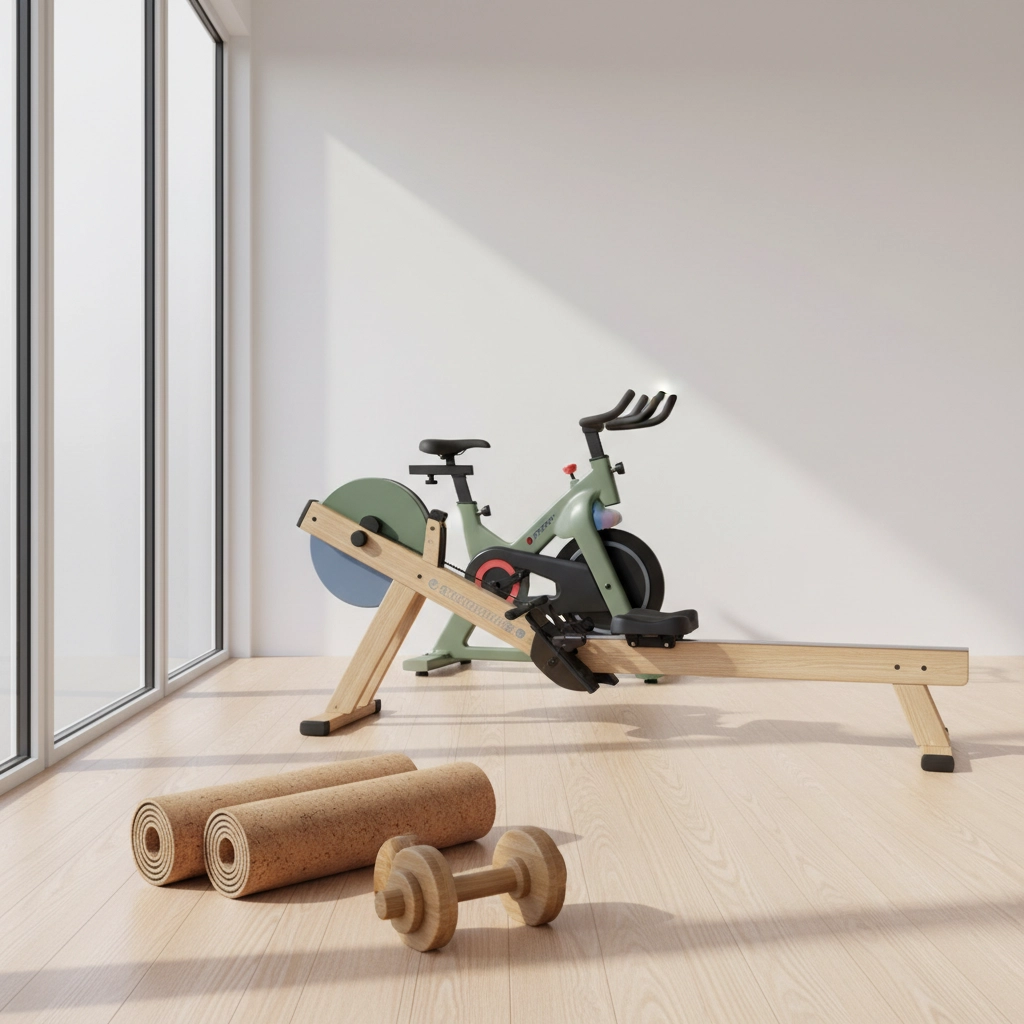
When shopping for new equipment, prioritize pieces made from sustainable materials. Cork yoga mats, for instance, naturally resist bacteria and moisture while lasting years longer than conventional PVC mats. Bamboo storage solutions and accessories combine strength with rapid renewability.
The Pre-Owned Advantage
Before hitting the “buy new” button, explore the thriving market for quality used fitness equipment. Gently used weights, benches, and cardio machines often come at significant discounts while keeping functional equipment out of waste streams. This approach doubles your environmental impact—you’re preventing waste while avoiding the carbon footprint of new manufacturing.
Check online marketplaces, local fitness stores, and even commercial gym liquidations. Many pieces of commercial-grade equipment built for heavy use will outlast consumer models by decades when properly maintained.
Maintenance Mastery: The 5-Year Extension Formula
Environmental Optimization
Your equipment’s environment dramatically impacts its lifespan. Climate-controlled storage prevents the temperature fluctuations and humidity extremes that accelerate wear on rubber, plastic, and metal components. If you can’t maintain perfect conditions, at least ensure proper ventilation and protect equipment from direct sunlight and moisture.
Consider the placement of each piece carefully. Cardio equipment generates heat and should have adequate clearance for air circulation. Weight storage should keep metal components away from moisture-prone areas. These simple environmental considerations can add years to your equipment’s functional life.
The Power of Prevention
Regular inspection and maintenance form the backbone of equipment longevity. Weekly visual inspections catch small issues before they become expensive problems. Look for loose bolts, frayed cables, worn surfaces, and signs of corrosion. A 10-minute weekly inspection routine can prevent thousands of dollars in premature replacements.
Create a maintenance schedule that includes lubrication of moving parts, tightening of connections, and replacement of wear items like exercise bike brake pads or treadmill belts. Following manufacturer specifications for these routine tasks ensures optimal performance and maximum lifespan.
Clean Green Solutions
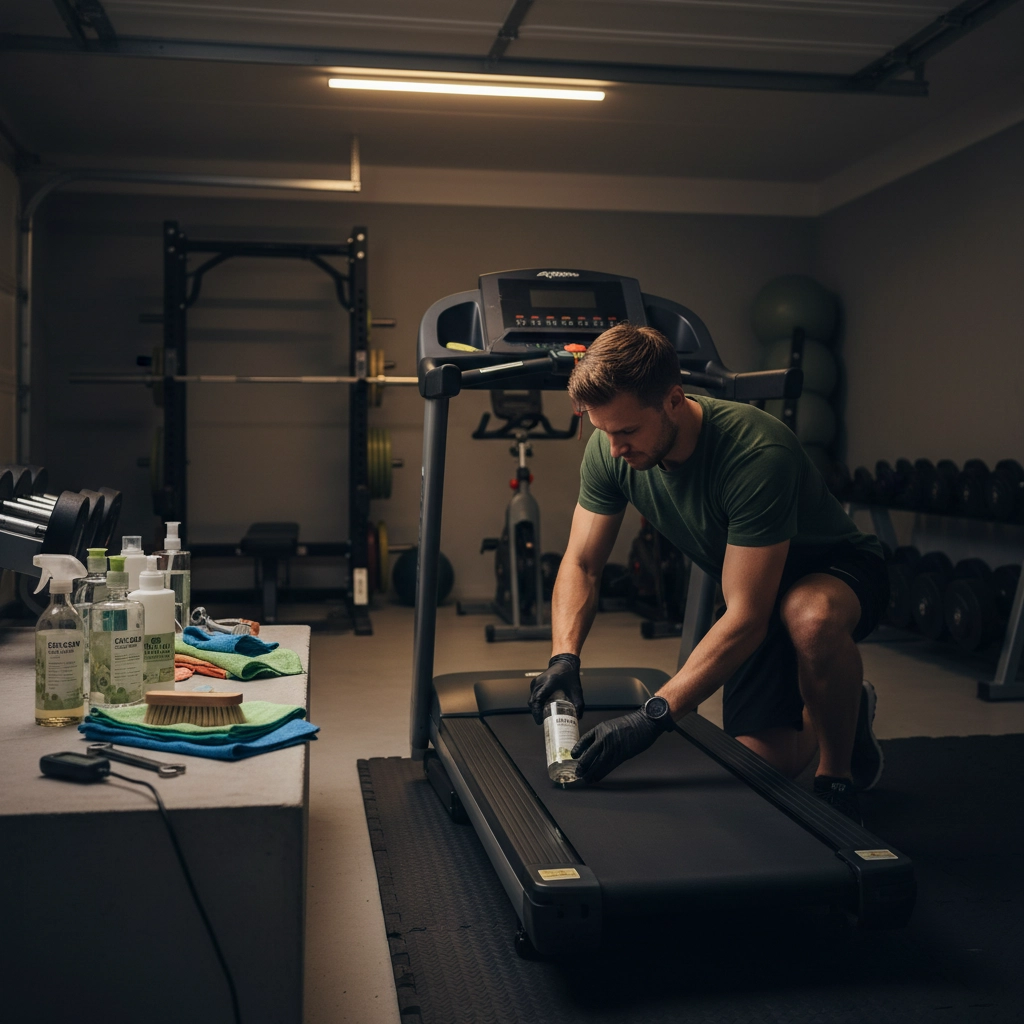
Traditional gym cleaners often contain harsh chemicals that can degrade equipment surfaces over time. Eco-friendly cleaning solutions not only protect your health and indoor air quality but also preserve equipment materials. Natural cleaners like diluted white vinegar, castile soap solutions, and enzyme-based cleaners effectively sanitize without causing long-term damage.
Establish daily cleaning routines, especially for frequently touched surfaces. Sweat and oils accelerate wear on upholstery and painted surfaces. Quick post-workout wipe-downs prevent accumulation of corrosive substances that shorten equipment life.
Sustainable Usage Strategies
Versatility Maximizes Value
Investing in versatile, multi-functional equipment reduces the total number of pieces you need while maximizing utility. Adjustable dumbbells replace entire weight sets, power towers combine multiple exercise stations, and resistance band systems offer endless exercise variations in minimal space.
This approach doesn’t just save space and money—it reduces the maintenance burden and environmental impact of your home gym. Fewer pieces mean less cleaning, less storage requirements, and fewer eventual replacements.
Energy-Efficient Operations
Modern fitness equipment increasingly incorporates energy-efficient designs and even power generation capabilities. Elliptical machines with generator systems, bikes that power their own displays, and equipment with efficient LED lighting reduce operational costs while extending component life.
When equipment components aren’t stressed by excessive power demands, they last longer. Energy-efficient equipment often runs cooler and quieter, indicating less internal stress on mechanical and electrical components.
The Art of Repair and Refurbishment
Repair-First Mindset
Before considering replacement, explore repair options thoroughly. Many common equipment failures—worn cables, damaged upholstery, or electronic glitches—can be fixed at a fraction of replacement cost. Source replacement parts from manufacturers or third-party suppliers to extend functional life significantly.
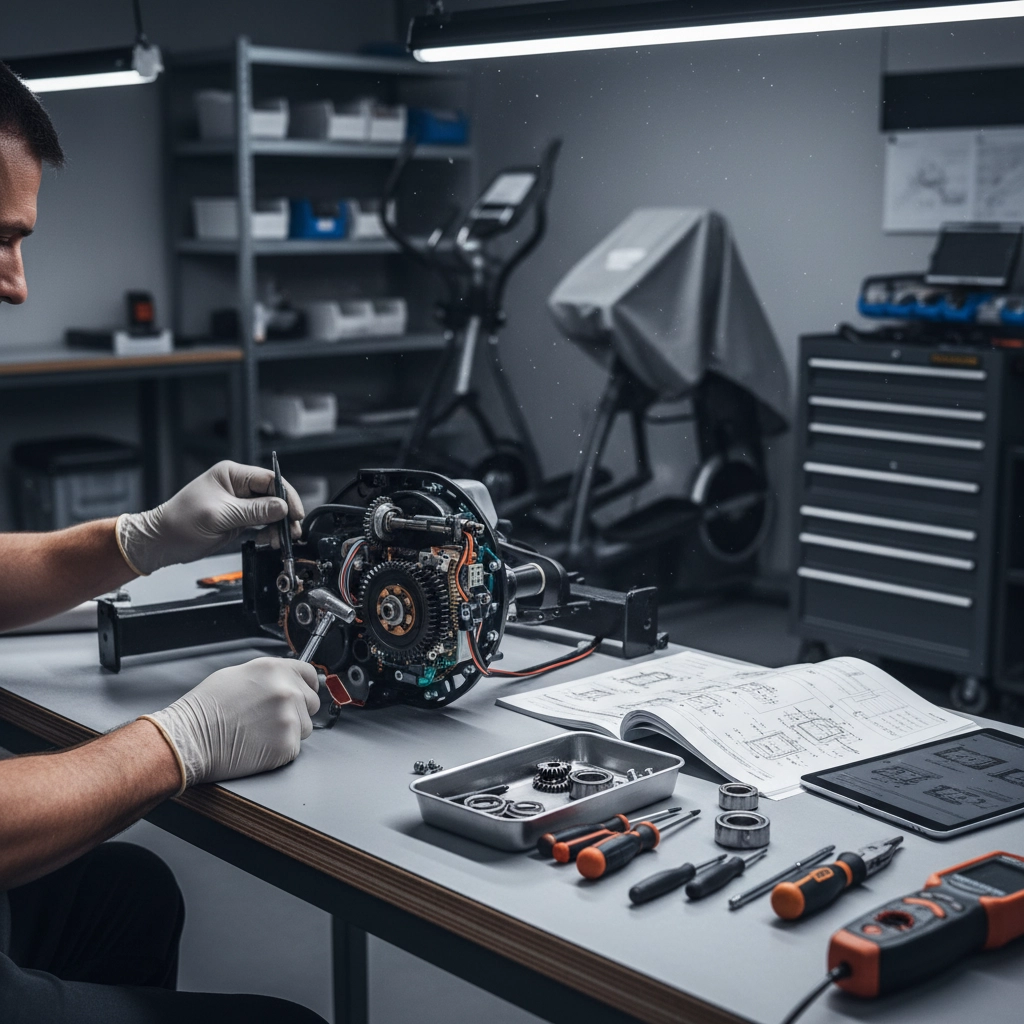
Professional repair services like HeartBeat Fitness Repair can diagnose issues and perform repairs that add years to equipment life. The investment in professional service often pays for itself through extended equipment life and improved performance.
DIY Solutions and Upgrades
Learn basic maintenance and repair skills to handle simple issues yourself. YouTube tutorials, manufacturer manuals, and online forums provide guidance for common repairs. Simple tasks like replacing exercise bike pedals, adjusting treadmill belts, or reupholstering weight benches can dramatically extend equipment life.
Consider upgrades during repair processes. New grips, updated displays, or comfort improvements can make older equipment feel new while extending its useful life. These updates often cost less than replacement while providing improved functionality.
Environmental Impact: The Bigger Picture
Carbon Footprint Reduction
Every year you extend your equipment’s life represents significant environmental savings. Manufacturing new fitness equipment requires raw materials, energy-intensive production processes, and transportation across global supply chains. By keeping your current equipment functional longer, you’re directly reducing demand for new manufacturing.
The cumulative effect is substantial. If every home gym owner extended their equipment life by just three years, the reduction in manufacturing demand would prevent thousands of tons of CO2 emissions annually.
Waste Stream Diversion
Fitness equipment waste represents a growing environmental challenge. Heavy, bulky items often end up in landfills where they resist decomposition for decades. By implementing proper maintenance and repair practices, you’re keeping functional equipment out of waste streams while inspiring others to adopt similar practices.
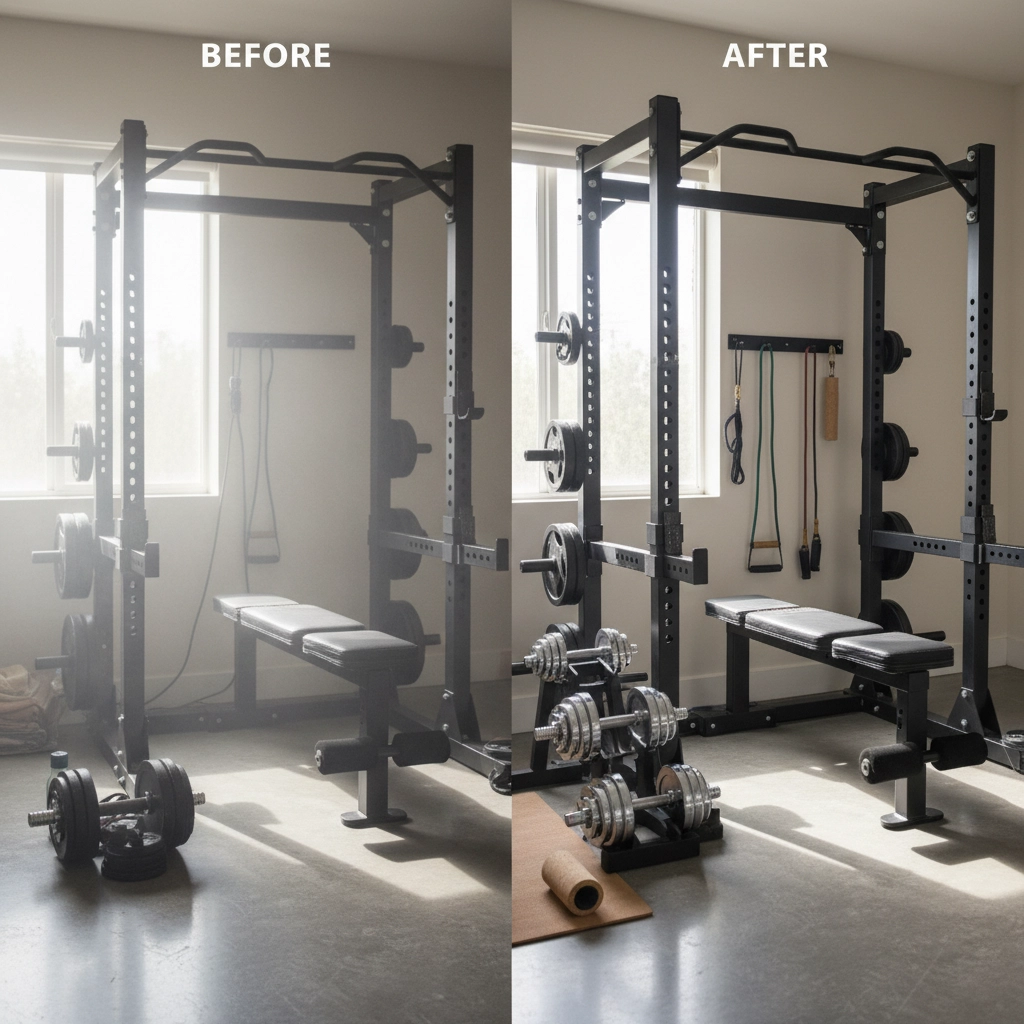
Creating Your 5-Year Extension Plan
Year One: Foundation Building
Establish maintenance routines, optimize your gym environment, and create equipment documentation. Record purchase dates, warranty information, and maintenance schedules. This foundation sets you up for proactive care rather than reactive repairs.
Years Two-Three: Routine Mastery
Fine-tune your maintenance approach based on actual equipment performance. Identify which pieces need more attention and which exceed expectations. Adjust cleaning and inspection frequencies accordingly.
Years Four-Five: Proactive Upgrades
Plan strategic upgrades and refurbishments to keep equipment current and functional. Replace worn components before failure, upgrade comfort features, and consider technology updates that extend useful life.
Beyond Five Years: Sustainable Cycling
As equipment eventually reaches end-of-life, implement responsible disposal or repurposing strategies. Many components can be recycled or repurposed, and functional equipment can be donated or sold to extend its life with new users.
The path to extending your fitness equipment’s lifespan by 5+ years isn’t just about maintenance—it’s about adopting a sustainable mindset that values longevity, efficiency, and environmental responsibility. Every day you keep your equipment running smoothly is a victory for your wallet, your fitness goals, and the planet.
Start today with a comprehensive equipment assessment. Document current conditions, establish maintenance schedules, and commit to the practices that will keep your home gym functional for years beyond typical expectations. Your future self—and the environment—will thank you for the investment in sustainable fitness equipment care.
 Heartbeat Fitness Repair
Leave a comment