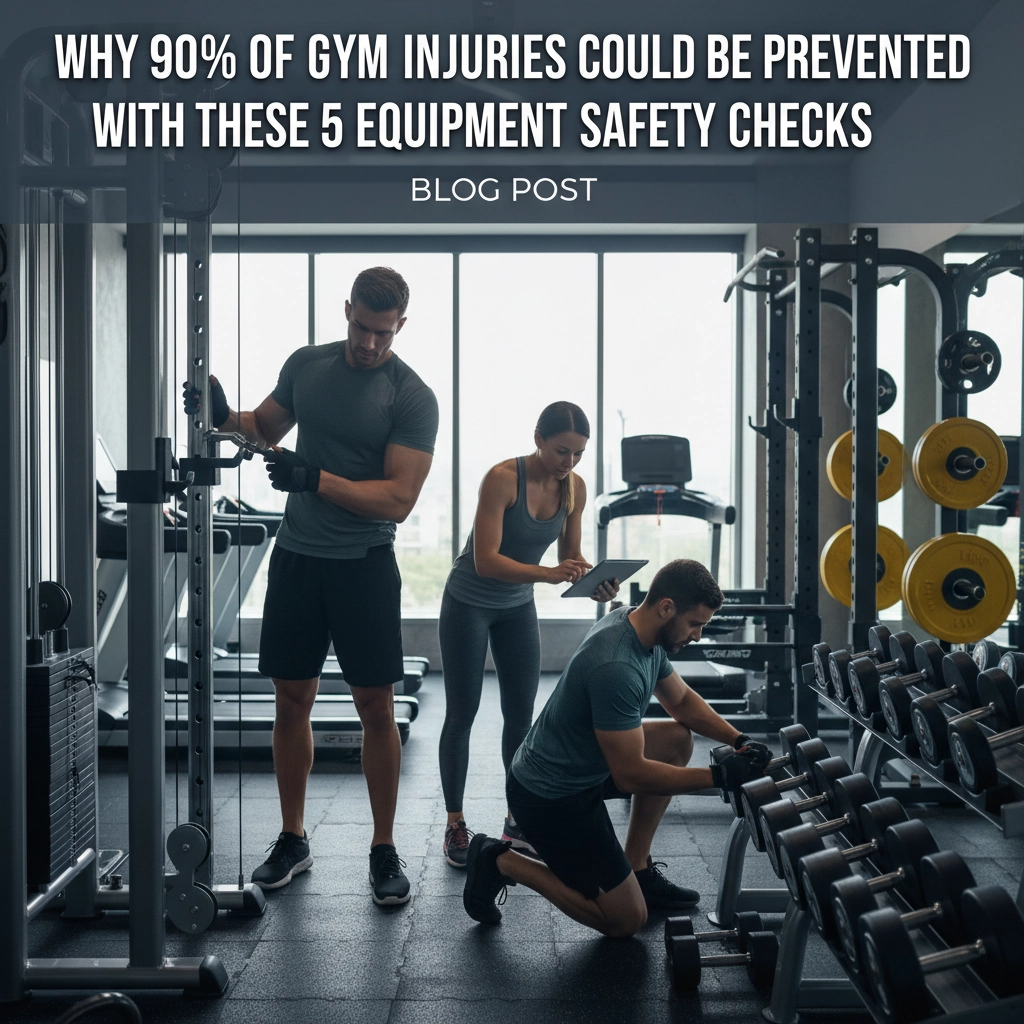
Picture this: You’re crushing your morning workout, feeling invincible as you load up the leg press for that final set. Suddenly, snap – a cable gives way, sending 300 pounds crashing down. What should have been your personal best becomes a trip to the emergency room.
Here’s the thing that’ll blow your mind – most gym injuries aren’t freak accidents. They’re preventable disasters waiting to happen, often caused by equipment that screams warning signs for weeks before it fails. At HeartBeat Fitness Repair, we’ve seen it all, and trust me, the patterns are crystal clear.
The fitness industry data tells a sobering story: equipment-related incidents make up a massive chunk of gym injuries, and the vast majority could be avoided with simple, regular safety checks. Whether you’re running a commercial gym or maintaining a killer home setup, these five critical equipment safety checks can literally save lives – and save you thousands in repair costs and liability issues.
Check #1: Cable and Belt Integrity Inspection
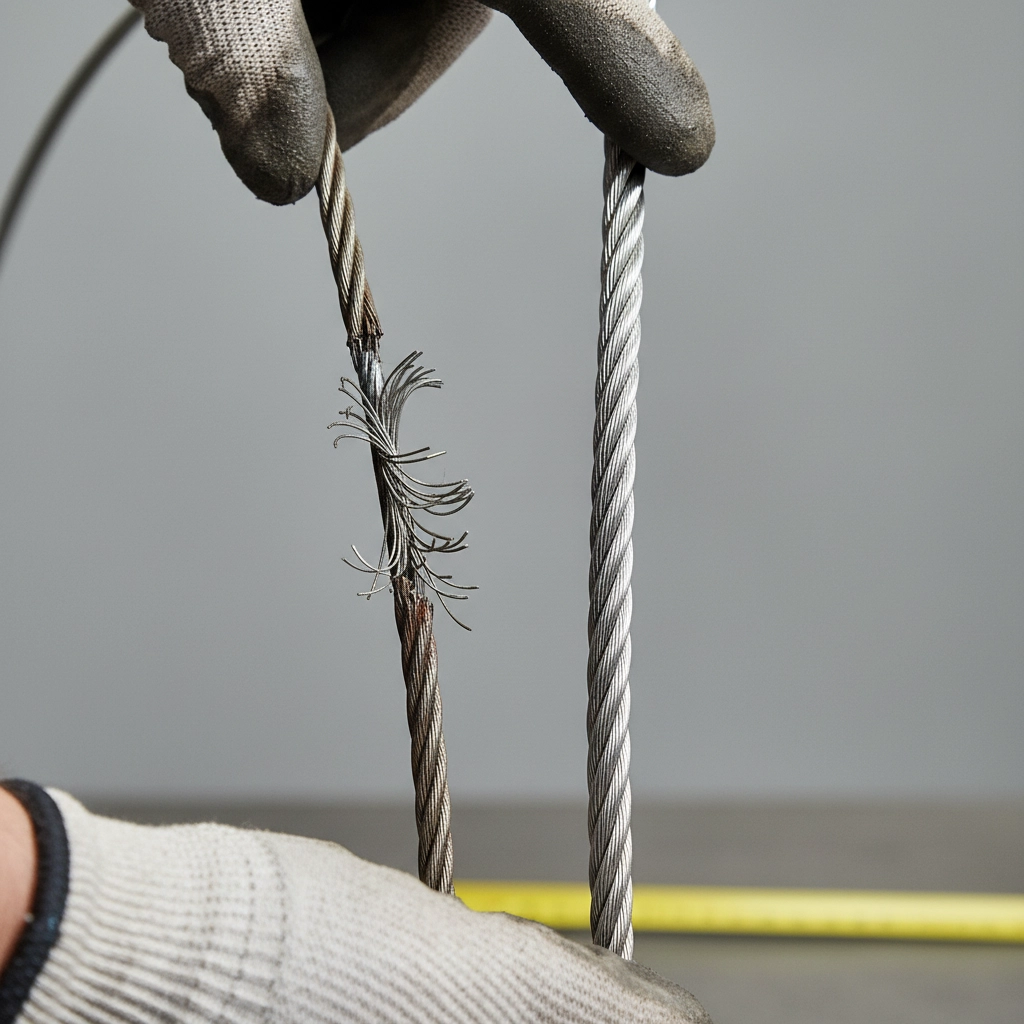
Your cables and belts are the unsung heroes of strength training – until they’re not. These components handle enormous stress loads every single day, and when they fail, they fail catastrophically.
What to look for:
- Frayed or worn cable strands (even one or two broken strands is a red flag)
- Belt cracking, especially around pulleys and connection points
- Unusual stretching or elongation
- Rust or corrosion on cable ends and connections
- Missing or damaged cable guards
The HeartBeat Fitness Repair Pro Tip: Run your hands along cables during inspection – you’ll feel problems before you see them. Any rough spots, kinks, or irregularities mean it’s replacement time, no exceptions.
We’ve responded to countless calls where gym owners thought they could squeeze “just a few more weeks” out of questionable cables. Don’t be that person. A $50 cable replacement beats a $50,000 lawsuit every single time.
Check #2: Weight Stack and Pin System Verification
Weight stacks might look simple, but they’re precision-engineered systems that demand respect. A loose pin or misaligned stack can turn your lat pulldown into a medieval torture device.
Critical inspection points:
- Selector pins slide smoothly and lock securely in place
- Weight plates sit flush and aligned (no tilting or binding)
- Guide rods show no signs of bending or excessive wear
- Safety stops and limiters function correctly
- No missing or cracked weight plates
Real talk from the field: We once serviced a commercial gym where the weight stack guide rod had developed a hairline crack. The owner noticed the machine felt “a little off” but kept it in service. Three weeks later, the entire 200-pound stack came crashing down during peak hours. Miraculously, no one was seriously hurt, but that gym faced months of legal headaches and reputation damage.
Check those guide rods with a flashlight – stress cracks often start where you can’t easily see them.
Check #3: Frame and Structural Component Assessment
Your equipment frame is like the foundation of a house – when it goes, everything goes. These structural checks might seem obvious, but you’d be amazed how many “small” cracks turn into “big” problems.
Essential frame inspection:
- Weld joints show no signs of cracking or separation
- Bolts and fasteners are tight (use a torque wrench for critical connections)
- No visible rust, especially in high-stress areas
- Frame alignment is true (equipment shouldn’t rock or wobble)
- Protective covers and guards are secure and undamaged
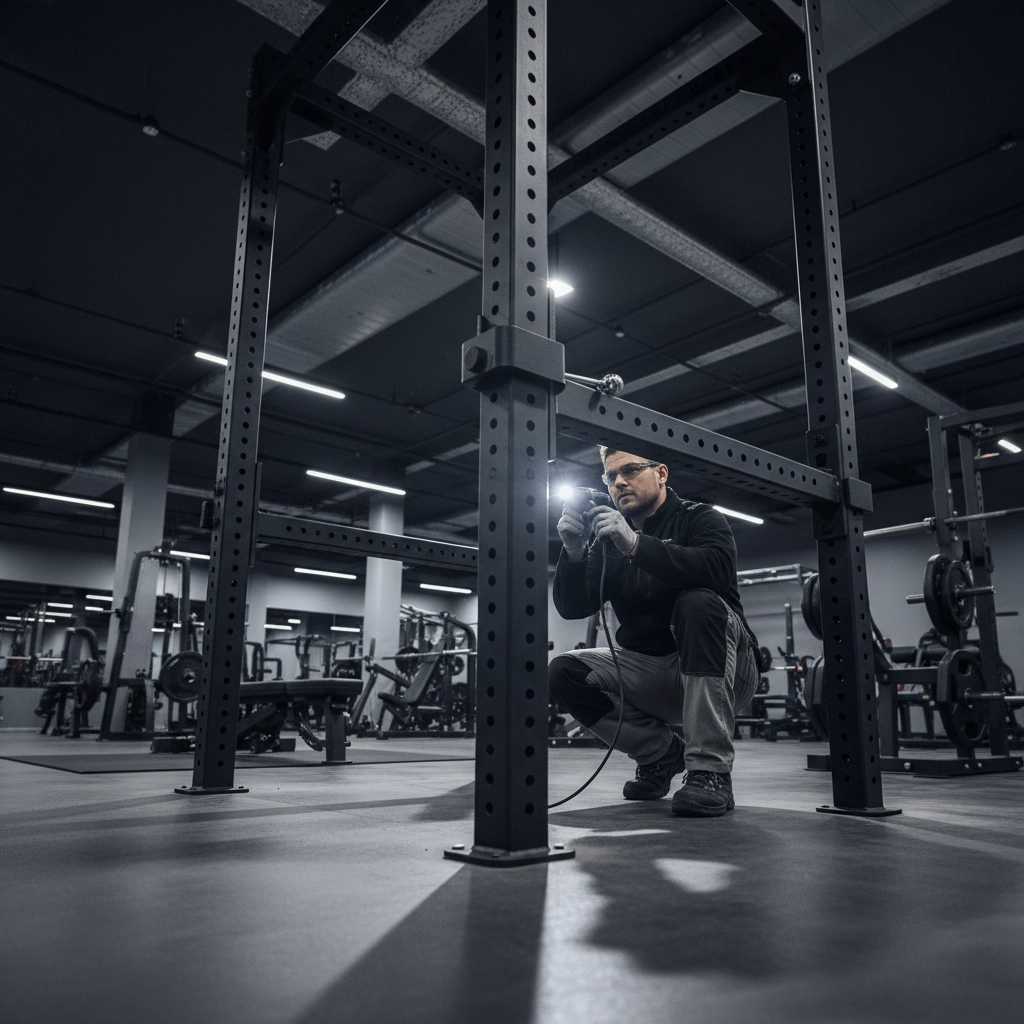
The hidden danger: Frame problems often develop gradually. That slight wobble in your squat rack might seem harmless, but it indicates structural integrity issues that worsen under load. At HeartBeat Fitness Repair, we use professional-grade inspection techniques to catch these problems before they become catastrophic failures.
Check #4: Moving Parts Lubrication and Alignment
Friction is the enemy of fitness equipment. When moving parts aren’t properly lubricated and aligned, they don’t just wear out faster – they become dangerous.
Lubrication checkpoint essentials:
- Pivot points move smoothly without binding or sticking
- Bearings spin freely with no grinding or noise
- Adjustment mechanisms operate smoothly through full range
- No excessive play or looseness in moving parts
- Proper lubrication type and quantity (not all lubes are created equal)
Alignment indicators:
- Equipment moves through intended range of motion without deviation
- No unusual noise during operation
- Consistent resistance throughout movement patterns
- Adjustable components hold position under load
Here’s something most people don’t realize: over-lubrication can be just as dangerous as under-lubrication. Too much grease attracts dirt and debris, creating an abrasive paste that actually accelerates wear. We’ve seen expensive equipment destroyed by well-meaning maintenance that used the wrong products.
Check #5: Safety Feature and Emergency Stop Functionality
Your equipment’s safety features are like airbags in a car – you pray you never need them, but when you do, they better work perfectly.
Safety system verification:
- Emergency stops engage immediately and hold securely
- Safety catches and limiters function at correct positions
- Protective shields and guards are properly mounted
- Warning labels and instructional placards are visible and intact
- Foot pedals and manual releases operate smoothly
Don’t forget the basics: Check that safety clips for Olympic bars are present and in good condition, ensure weight collars lock securely, and verify that safety bars on power racks can actually support the weight they’re rated for.
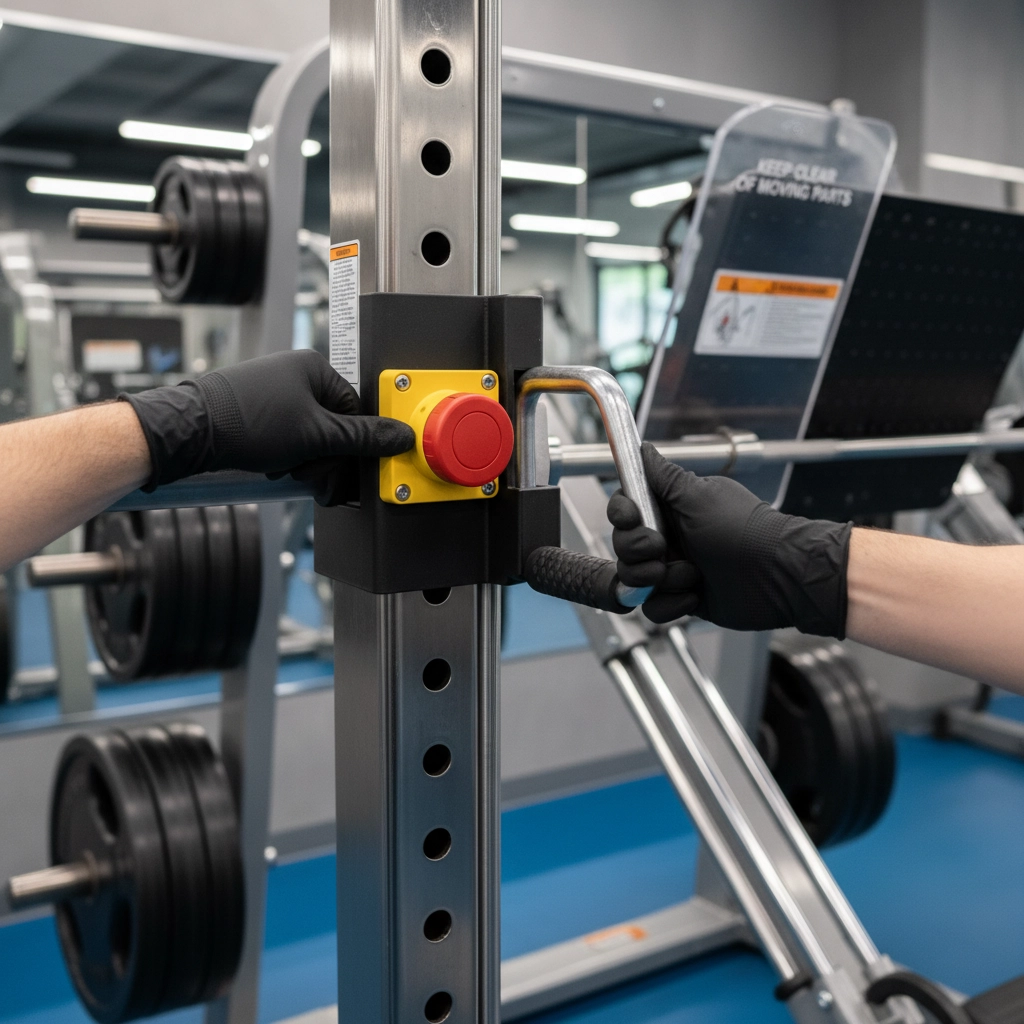
A word of caution from our service experience: We’ve encountered equipment where safety stops had been “temporarily” disabled or adjusted improperly. This is never acceptable. Safety features exist for a reason, and bypassing them is asking for trouble.
The Real Cost of Skipping Safety Checks
Let’s get real about the money. A comprehensive safety inspection might cost you a few hundred dollars and a couple hours of downtime. Compare that to:
- Average gym injury lawsuit settlement: $35,000-$150,000+
- Equipment replacement after catastrophic failure: $5,000-$50,000+
- Lost revenue during extended downtime: $500-$2,000+ per day
- Insurance premium increases after claims: 20-50%+ annually
The math isn’t even close. Prevention wins every single time.
Making It Happen: Your Action Plan
Here’s your game plan for implementing these safety checks:
Weekly quick checks (5-10 minutes per machine):
- Visual inspection for obvious damage
- Basic function test of moving parts
- Quick safety feature verification
Monthly detailed inspections (30-45 minutes per machine):
- Complete cable and belt examination
- Thorough lubrication check
- Detailed frame and structural assessment
Quarterly professional inspection:
This is where HeartBeat Fitness Repair comes in. Our certified technicians use specialized tools and industry expertise to catch problems you might miss.
Your Equipment Deserves Expert Care
Look, you invested serious money in your fitness equipment because you believe in its power to transform lives. Don’t let preventable failures rob you of that investment – or worse, hurt someone you care about.
At HeartBeat Fitness Repair, we’ve made equipment safety our obsession. Our team has the knowledge, tools, and experience to keep your gear running safely for years to come. Whether you need emergency repairs, preventive maintenance, or just want peace of mind, we’ve got your back.
Ready to take your equipment safety seriously? Contact us today and let’s create a maintenance plan that protects your investment and keeps everyone safe. Because in the fitness world, an ounce of prevention really is worth a pound of cure.

 Heartbeat Fitness Repair
Leave a comment