Let’s be honest – replacing gym equipment feels like throwing money into a black hole. Whether you’re running a commercial gym or just trying to keep your home setup running smoothly, nothing hurts more than watching a perfectly good machine die an early death because of something completely preventable.
The good news? Most equipment failures aren’t random acts of mechanical spite. They’re the result of habits we can actually change. After years of fixing everything from treadmills to power racks, I’ve seen the same patterns over and over again. The gyms that keep their equipment running for decades aren’t just lucky – they’re doing these five things consistently.
Hack #1: Make Daily Visual Inspections Your New Routine
Think of this as your equipment’s daily health check. Just like you’d notice if your car was making weird noises, you need to tune into what your gym equipment is telling you.
Every morning (or before your workout), take two minutes to walk around each machine. Look for obvious red flags: loose bolts, frayed cables, worn belts, or any fluid leaks. On cardio equipment, check that safety clips are secure and emergency stops work. For strength equipment, make sure weight stacks move smoothly and pins lock properly.
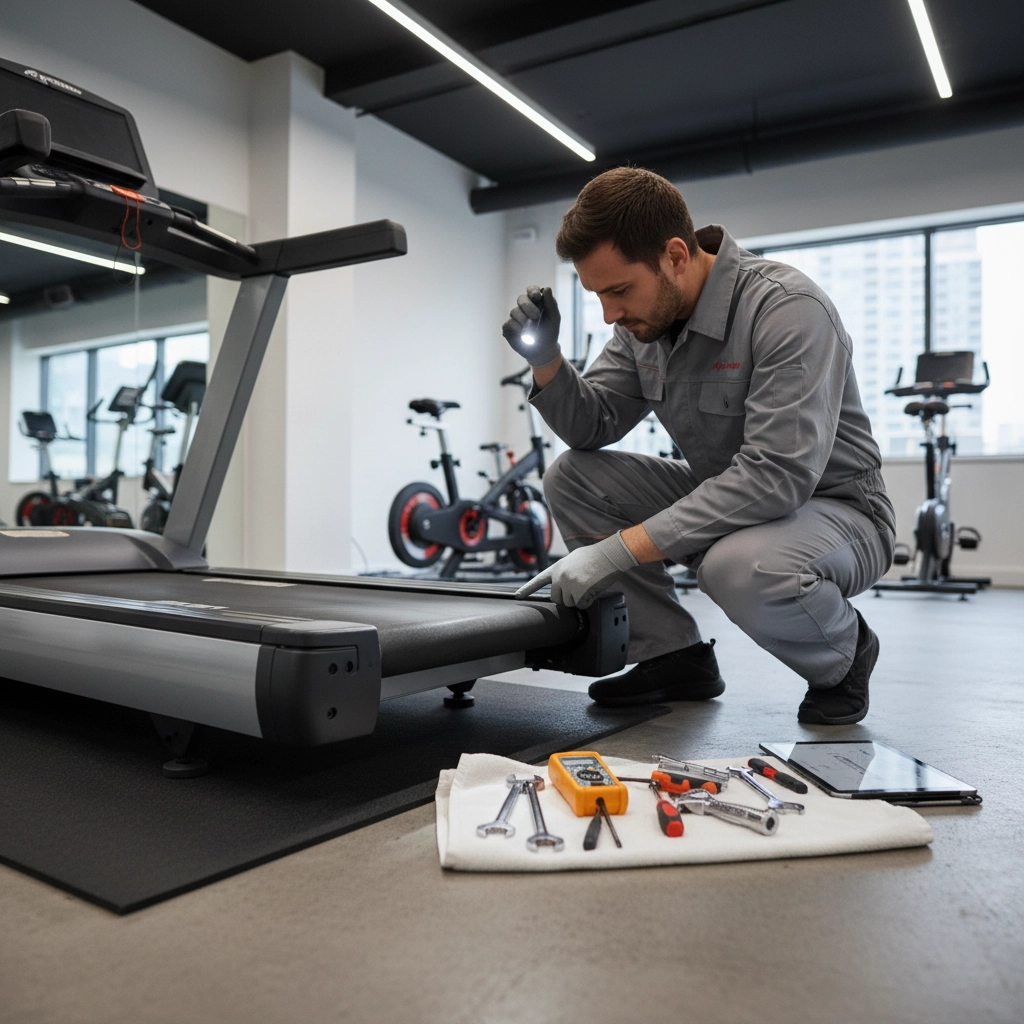
The key is catching small problems before they become expensive disasters. That loose belt you ignore today could snap next week, potentially damaging the motor or causing injury. A quick visual check costs nothing but saves thousands.
Here’s what to look for during your daily rounds:
- Treadmills: Belt alignment, loose handrails, worn deck
- Ellipticals: Loose pedal arms, squeaking noises, worn foot pads
- Strength Equipment: Frayed cables, worn pulleys, loose weight stack pins
- Free Weights: Cracked plates, loose collars, bent bars
Hack #2: Follow the 30-60-90 Maintenance Schedule
Most gym owners wait until something breaks to call for service. That’s like never changing your car’s oil until the engine seizes – technically possible, but incredibly expensive.
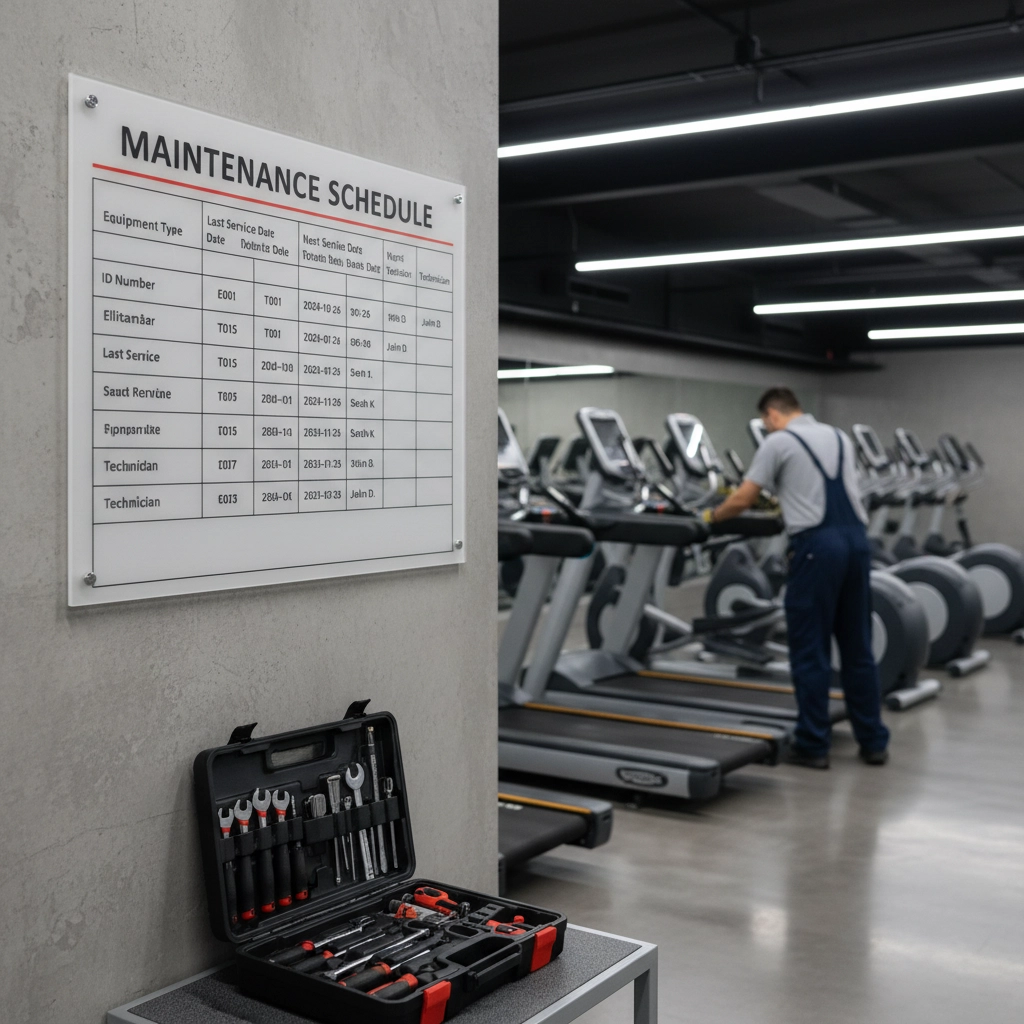
Smart maintenance follows a predictable schedule that prevents problems instead of reacting to them. Here’s the rhythm that actually works:
Every 30 Days (Monthly Deep Clean)
Clean and lubricate all moving parts, check belt tension and alignment, inspect electrical connections, and test all safety features. For commercial gyms, this is non-negotiable. For home users, it’s the difference between 10-year equipment life and 20-year equipment life.
Every 60 Days (Preventive Check)
Replace air filters, check fluid levels, inspect wear items like belts and cables, and calibrate displays and sensors. This is when you catch wear patterns before they become failures.
Every 90 Days (Professional Service)
Have a certified technician perform comprehensive diagnostics, replace worn components, and update software if applicable. Yes, this costs money upfront, but it’s a fraction of replacement costs.
Hack #3: Use Quality Parts and Trust Professional Service
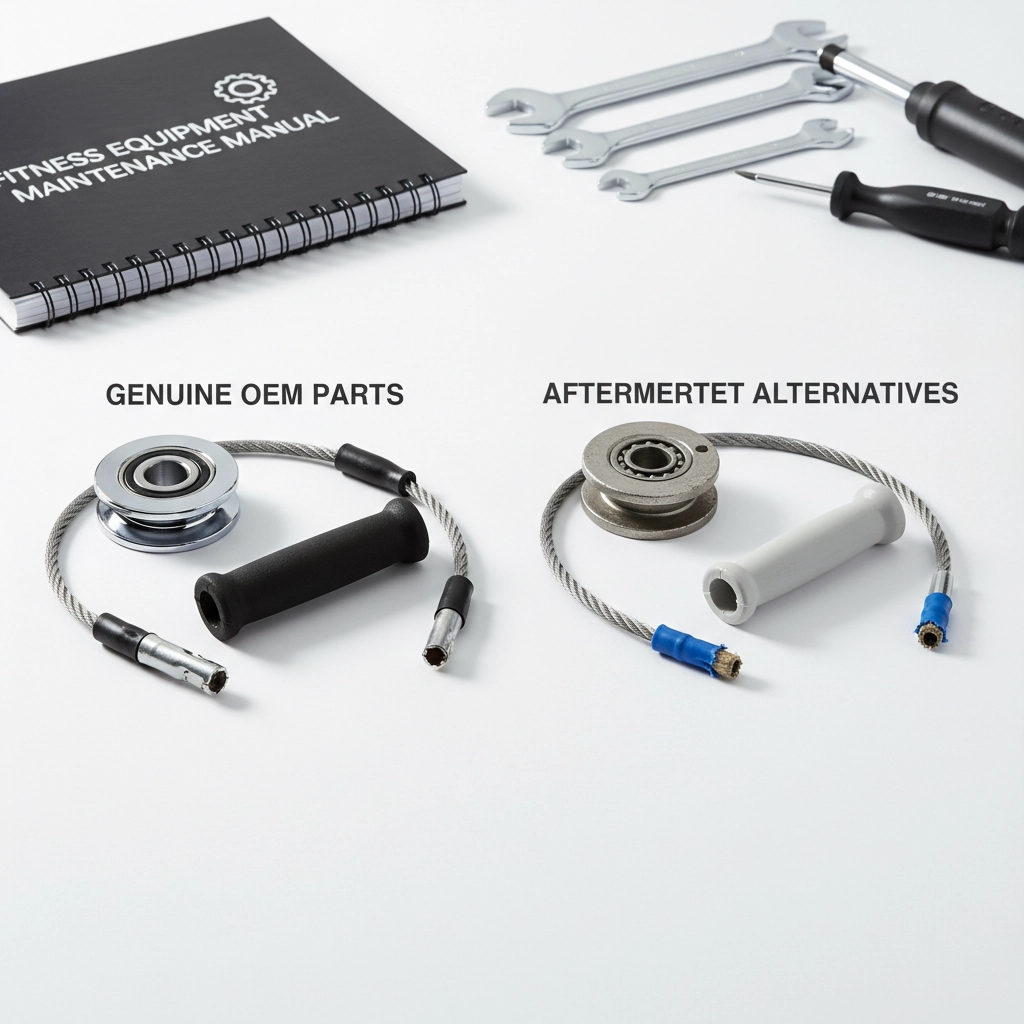
I get it – that generic belt online costs half as much as the OEM part. But here’s what happens when you go cheap: the generic belt lasts 6 months instead of 2 years, throws off the machine’s calibration, and often damages other components when it fails.
OEM parts are engineered specifically for your equipment’s tolerances. When manufacturers design a treadmill, they don’t just pick random belts – they test materials, speeds, and stress patterns to find the exact specifications that work.
The same logic applies to service. That handyman who “knows machines” might fix the immediate problem, but certified technicians understand the interconnected systems. They know that fixing a motor issue might require recalibrating the speed sensors, or that replacing a cable means checking the entire pulley system for wear.
At HeartBeat Fitness Repair, we see the aftermath of cheap fixes constantly. What could have been a $150 part replacement becomes a $1,500 overhaul because someone used the wrong lubricant or installed an incompatible component.
Hack #4: Respect Your Equipment’s Limits
Every piece of gym equipment has design limits – maximum user weight, duty cycles, environmental requirements. Ignoring these limits is the fastest way to void warranties and shorten equipment life.
Commercial vs. Residential Equipment
That home treadmill isn’t designed for 8 hours of daily use, even if it’s “heavy duty.” Commercial equipment has different motors, bearings, and cooling systems because it’s built for constant use. Using residential equipment commercially will kill it fast.
Weight Limits Matter
When a machine says “300 lb max user weight,” that’s not a suggestion. Exceeding weight limits stresses every component – frames crack, cables snap, and motors burn out. If you need higher capacity, invest in equipment rated for it.
Environmental Factors
Temperature, humidity, and ventilation directly impact equipment life. That basement gym with poor ventilation will rust metal components and overheat electronics. Direct sunlight degrades belts and plastics. Even dust buildup can cause overheating and premature wear.
Proper Usage Training
Most equipment damage comes from user error. Jumping off moving treadmills, dropping weights on machines, and forcing jammed mechanisms cause more failures than normal wear. A few minutes of proper instruction saves thousands in repairs.
Hack #5: Keep It Clean, Keep It Running
Cleanliness isn’t just about appearance – it’s about function. Dust, sweat, and debris are equipment killers that accelerate wear and cause unexpected failures.
Daily Cleaning Protocol
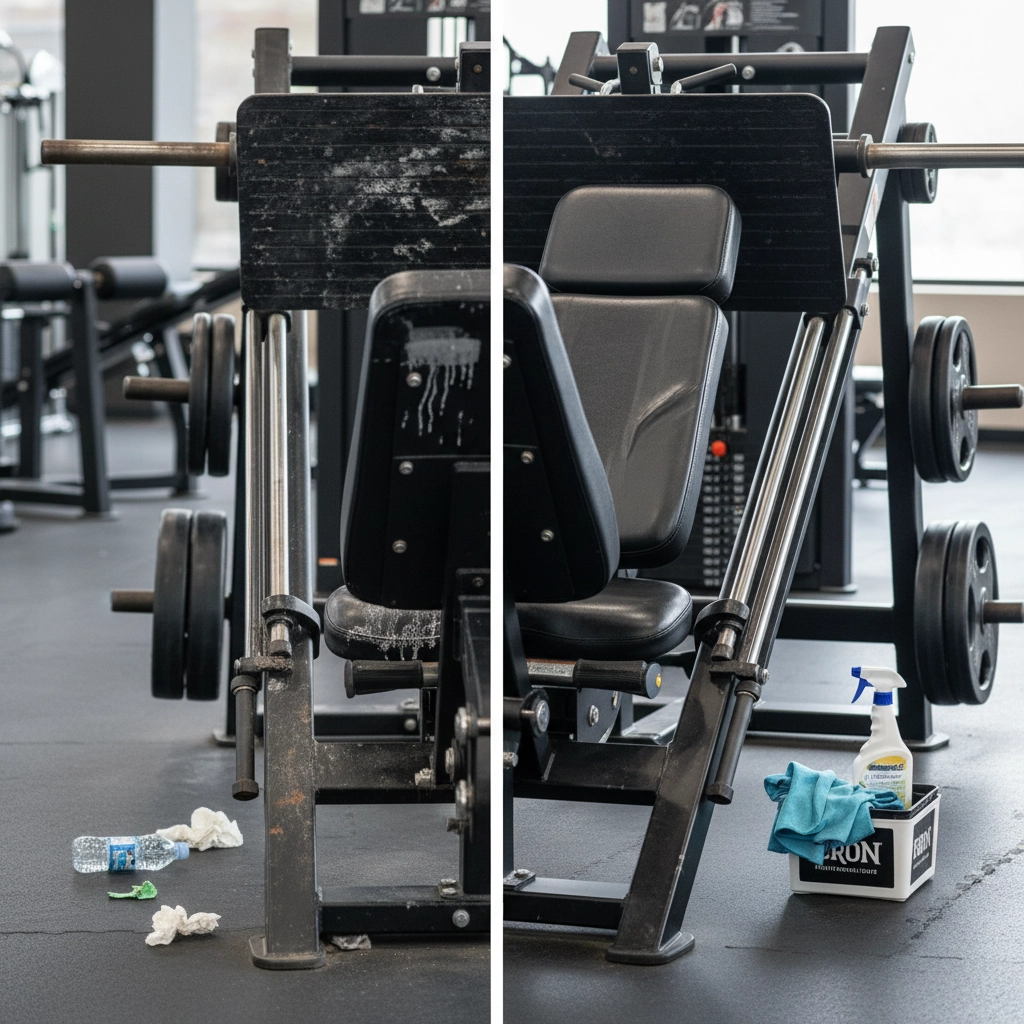
Wipe down surfaces after each use, remove dust from air intakes and fans, clean sweat residue from electronic displays, and clear debris from under equipment. This takes minutes but prevents corrosion and overheating.
Weekly Deep Cleaning
Vacuum dust from ventilation areas, clean and disinfect high-touch surfaces, check for accumulated debris in moving parts, and inspect for signs of wear or damage. This is also when you lubricate chains, cables, and pivot points.
Monthly Maintenance Cleaning
Remove covers to clean internal components, use compressed air to clear dust from electronics, deep clean belts and decks, and treat metal surfaces to prevent rust. This level of cleaning requires some disassembly, so consider professional service if you’re not comfortable with it.
The Sweat Factor
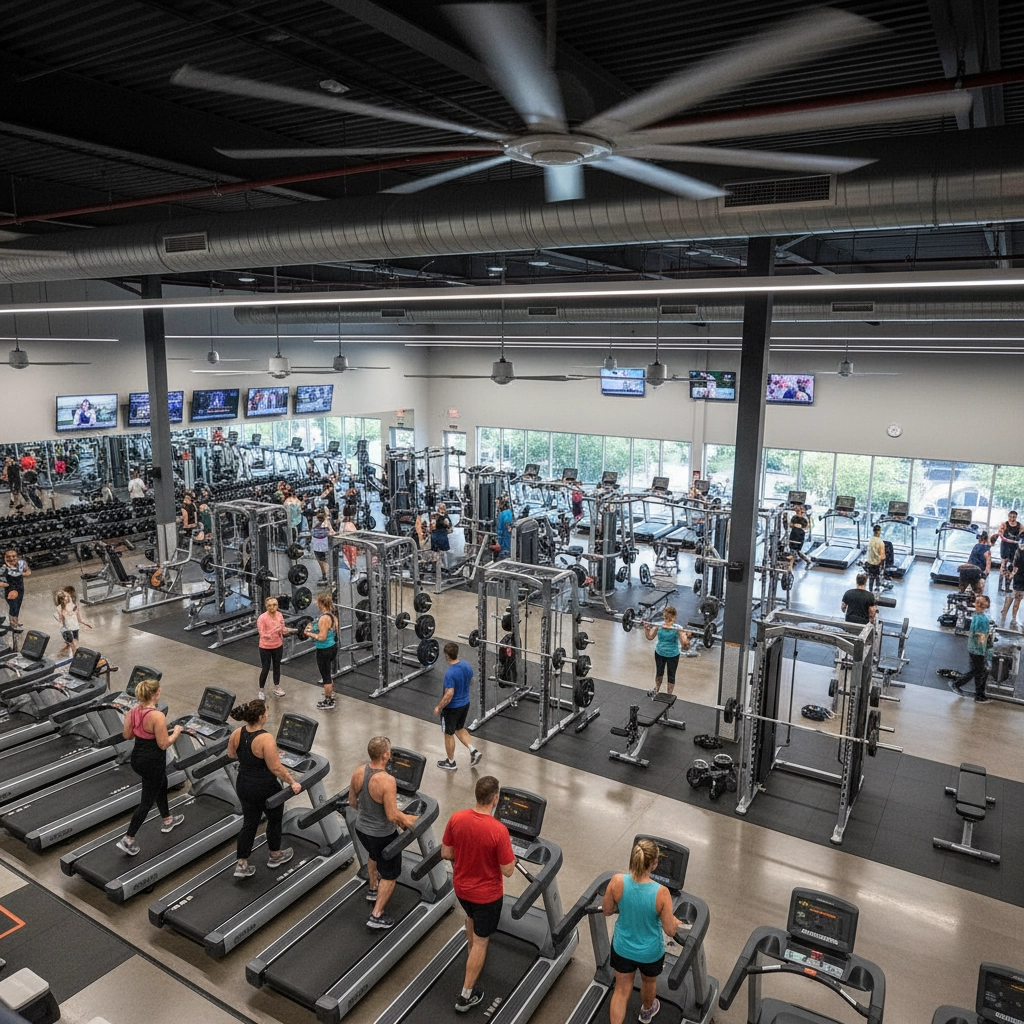
Sweat is incredibly corrosive to metal and electronic components. That’s why commercial gyms invest in powerful ventilation systems and why you should always wipe down equipment after use. Salt residue from dried sweat will corrode cables, rust frames, and damage circuit boards over time.
Making It All Work Together
These five hacks work best as a complete system, not individual fixes. The gym owners who get 15-20 years from their equipment aren’t doing one thing perfectly – they’re doing all five things consistently.
Start with daily visual inspections because they’re free and catch problems early. Build up to regular maintenance schedules because they prevent expensive surprises. Invest in quality parts and professional service because shortcuts cost more in the long run. Respect equipment limits because replacement is always more expensive than proper usage. Keep everything clean because maintenance is easier than repair.
The math is simple: spending a few hundred dollars annually on preventive maintenance saves thousands on premature replacements. More importantly, it keeps your equipment available when you need it instead of sitting broken in the corner.
Whether you’re managing a commercial facility or just want your home gym to last, these five longevity hacks will transform how you think about equipment ownership. The question isn’t whether you can afford to maintain your equipment properly – it’s whether you can afford not to.
Ready to stop wasting money on unnecessary replacements? Contact HeartBeat Fitness Repair today to set up a maintenance plan that actually works. Your equipment – and your budget – will thank you.
 Heartbeat Fitness Repair
Leave a comment