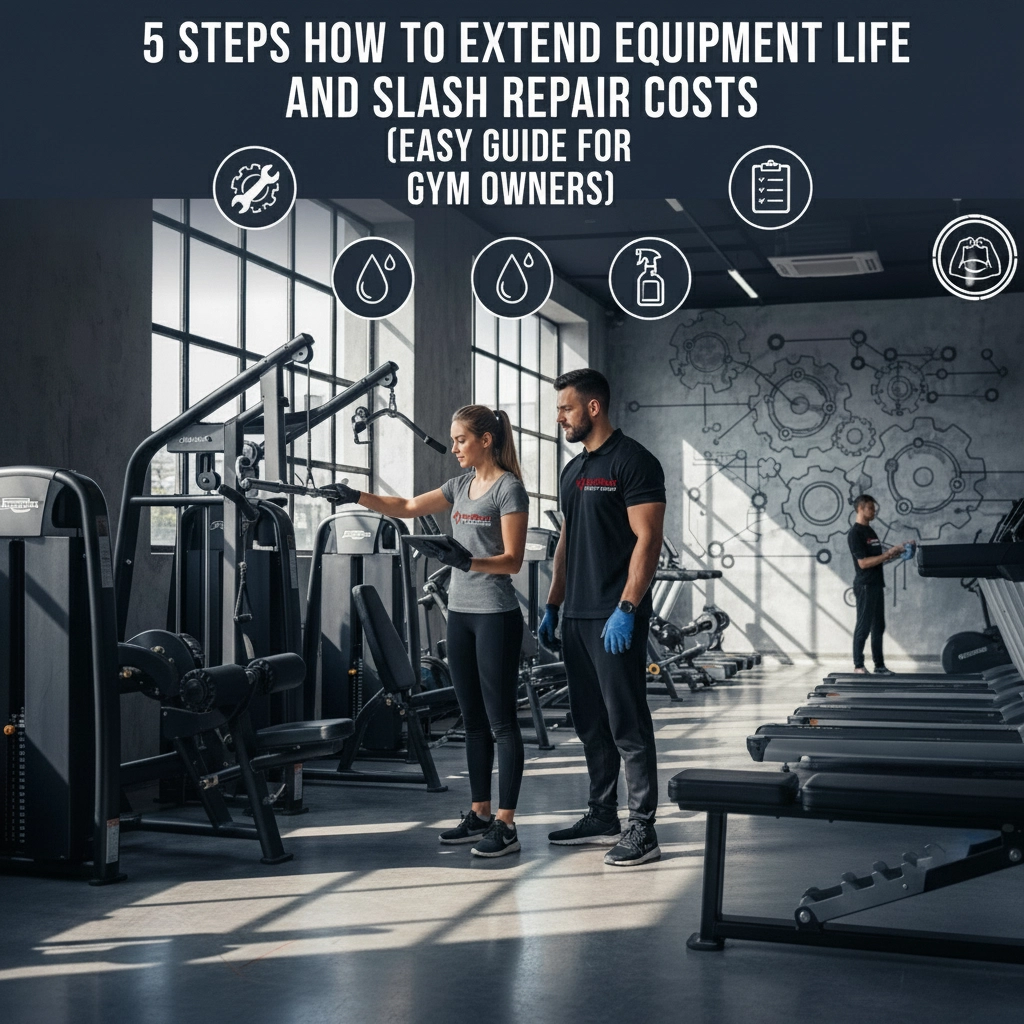
Running a gym is expensive enough without constantly shelling out cash for equipment repairs and replacements. Whether you’re managing a bustling commercial facility or a cozy home gym, the secret to keeping your fitness equipment running like a dream isn’t rocket science – it’s about being smart, consistent, and proactive.
After years of fixing everything from stubborn treadmills to temperamental ellipticals, we’ve seen the same patterns over and over. The gyms that save the most money on repairs aren’t the lucky ones – they’re the ones following proven maintenance strategies that keep their equipment healthy for years, not months.
Let’s dive into the five game-changing steps that will transform how you think about equipment care and put serious money back in your pocket.
Step 1: Master the Art of Daily Equipment Care
Make Cleaning Your Secret Weapon
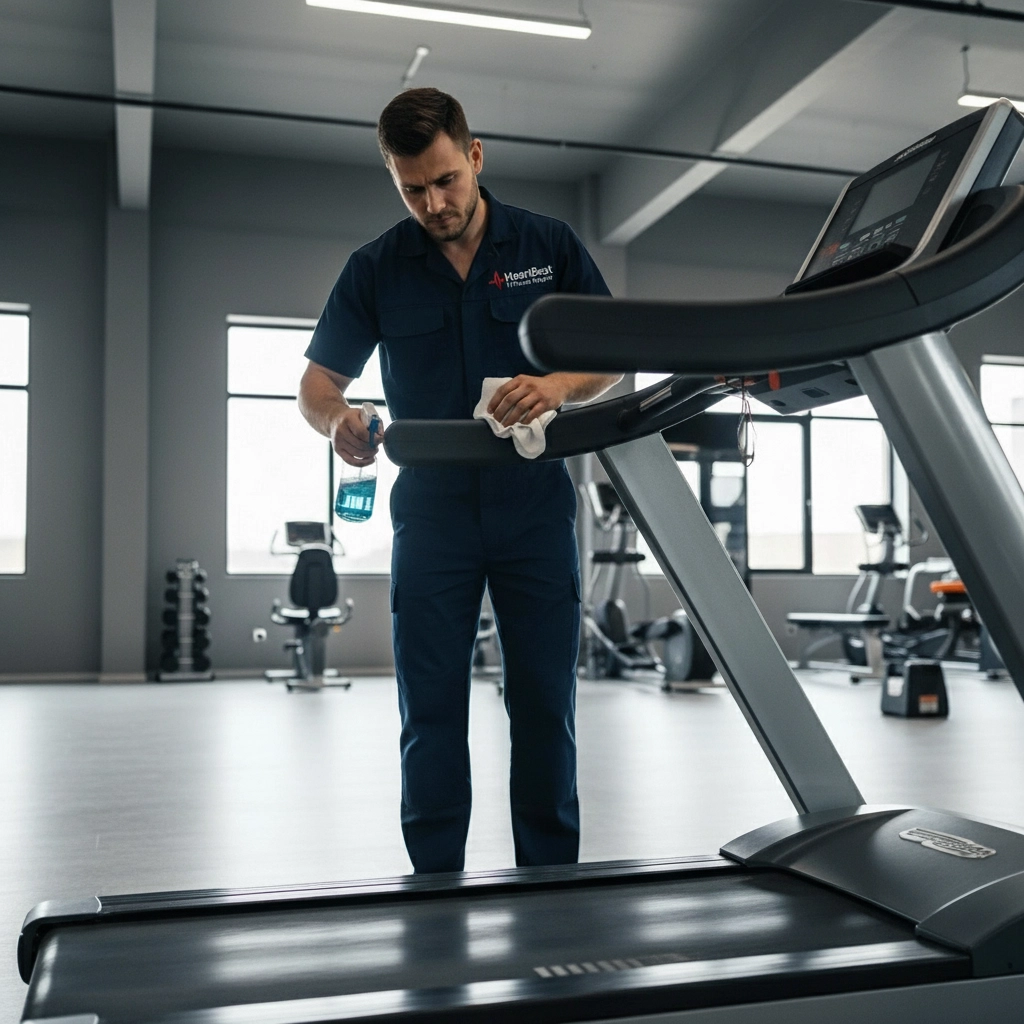
Think of daily cleaning as an investment, not a chore. Every drop of sweat, every fingerprint, and every bit of dust is slowly eating away at your equipment’s lifespan. The gyms we service that have the fewest breakdowns? They’re the ones treating cleaning like their equipment’s life depends on it – because it does.
Start with a simple but effective routine: wipe down every piece of equipment after each use with appropriate cleaning solutions. Avoid harsh chemicals that can strip protective coatings and cause premature wear. Instead, use gentle, equipment-safe cleaners that remove sweat and oils without damaging surfaces.
Environmental Control That Actually Works
Your equipment isn’t just sensitive to use – it’s sensitive to its surroundings. Humidity, temperature fluctuations, and poor ventilation can turn even the best machines into repair nightmares. Maintain consistent temperature and humidity levels according to manufacturer specifications. This single step can extend equipment life by years, not months.
The 5-Minute Daily Walk-Through
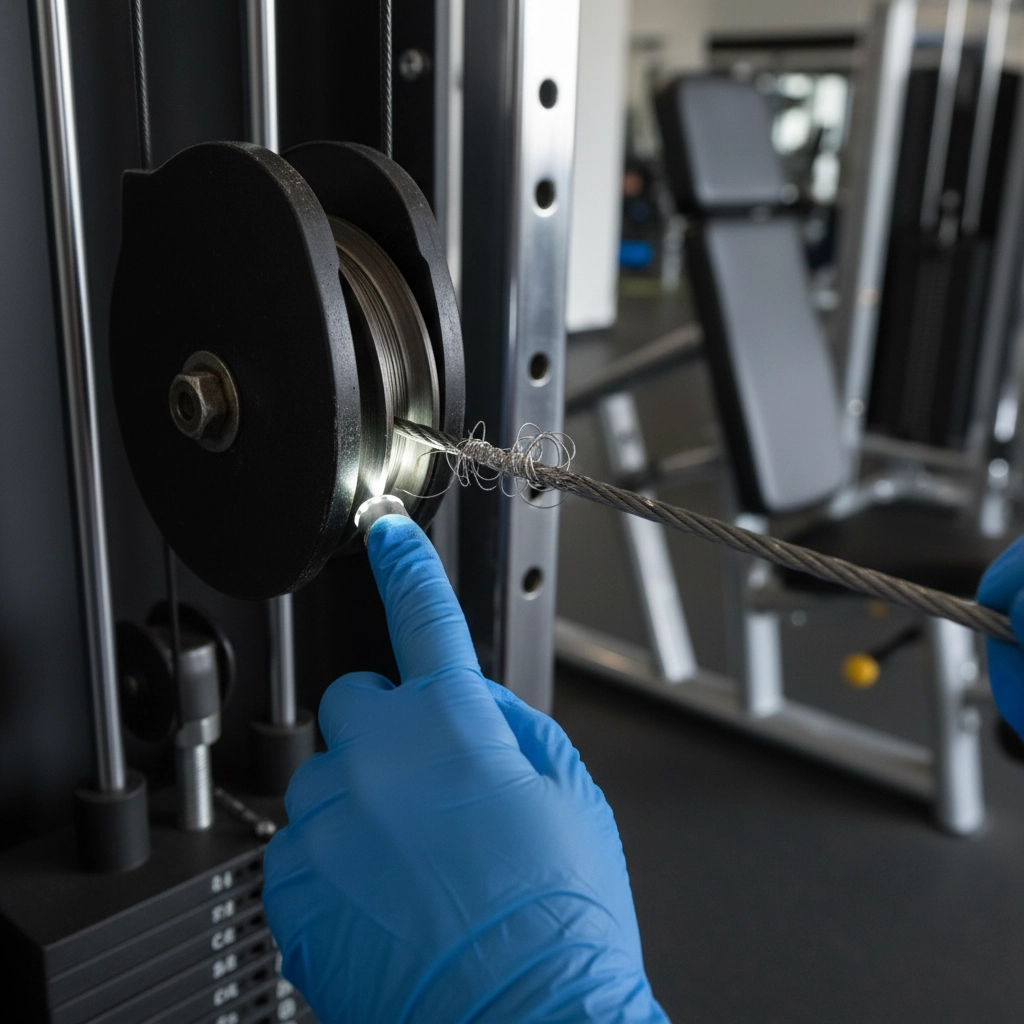
Here’s something most gym owners miss: a quick daily visual inspection. Spend five minutes each morning walking through your space, looking for anything unusual. Loose bolts, frayed cables, or unusual noises caught early can save you thousands in major repairs later.
Step 2: Develop Smart Weekly Inspection Routines
Focus on High-Stress Components First
Not all equipment parts are created equal. Some work harder and break down faster. Priority number one? Check cables on multi-functional equipment for fraying, inspect weight tracks for smooth movement, and examine upholstery for tears or excessive wear.
Create a simple checklist that covers the most failure-prone areas of each machine type. Treadmills need belt alignment checks, ellipticals need stride mechanism inspections, and strength equipment needs cable and pulley assessments.
Safety-Critical Inspection Points
Every week, inspect machine and bench pads for rips or cracks that could become safety hazards. Check for loose or missing bolts and nuts – these small items cause big problems when they fail. Replace anything questionable immediately. Member safety isn’t negotiable, and neither is the liability that comes with ignoring obvious problems.
Document Everything You Find
Keep simple records of what you discover during inspections. Note patterns – if the same machine keeps developing issues, it might need professional attention or replacement. This documentation becomes invaluable when working with repair technicians or making warranty claims.
Step 3: Create a Preventive Maintenance Schedule That Actually Gets Followed
The Power of Consistency Over Perfection
The best maintenance schedule is the one you’ll actually follow. Start simple with weekly, monthly, and quarterly tasks assigned to specific team members. Complexity kills consistency, so begin with the basics and build from there.
Weekly tasks might include lubrication of moving parts and deep cleaning of high-use equipment. Monthly tasks could involve more thorough mechanical inspections and software updates for digital equipment. Quarterly tasks should include comprehensive professional assessments.
Lubrication: The Unsung Hero of Equipment Longevity
Proper lubrication is like oil changes for your car – skip it at your own financial peril. Apply appropriate lubricants to resistance machines and equipment with moving parts according to manufacturer specifications. For treadmills, check and refill lubrication reservoirs regularly. This simple step prevents costly mechanical failures and keeps equipment running smoothly for years.
Digital Documentation Makes Everything Easier
Move beyond paper logs to digital maintenance tracking. Use simple apps or software that remind you when maintenance is due and track what’s been completed. This approach enables data-driven decisions about equipment health and helps identify patterns that predict future problems.
Step 4: Invest in Proper Usage Training and Environment
Member Education Pays Dividends
Every gym member who uses equipment incorrectly is costing you money in accelerated wear and potential repairs. Create clear, visual instructions for each piece of equipment that show proper form and usage. Simple diagrams or even QR codes linking to demonstration videos can dramatically reduce equipment misuse.
Consider mandatory orientation sessions for new members that include equipment demonstrations. The 30 minutes you spend teaching proper usage can prevent thousands in repair costs and extend equipment life significantly.
Staff Training Creates Equipment Guardians
Your staff are your first line of defense against equipment damage. Train them to recognize early warning signs of equipment problems and improper member usage. A knowledgeable team member who can correct form and spot developing issues is worth their weight in gold when it comes to prevention.
Create Equipment-Friendly Policies
Implement and enforce reasonable usage policies. Limit session times on cardio equipment during peak hours, establish weight limits that protect equipment, and create consequences for equipment misuse. Clear policies protect both your investment and your members.
Step 5: Build Strategic Professional Service Partnerships
Choose Quality Over Convenience
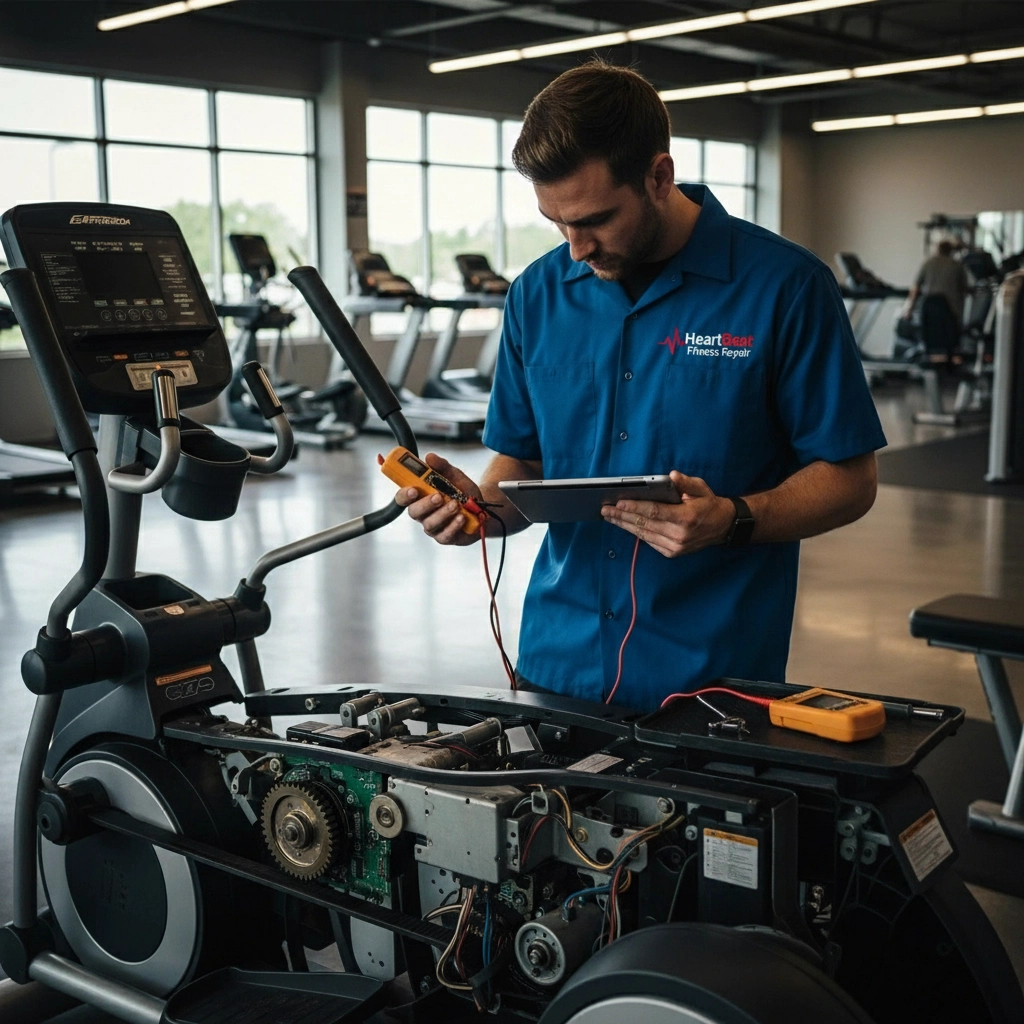
Not all repair services are created equal. Partner with certified technicians who understand your specific equipment brands and have proven track records. The cheapest option often becomes the most expensive when repairs don’t last or problems aren’t properly diagnosed.
At HeartBeat Fitness Repair, we’ve seen countless cases where improper repairs created bigger problems than the original issue. Professional service isn’t an expense – it’s an investment in your equipment’s future and your business’s profitability.
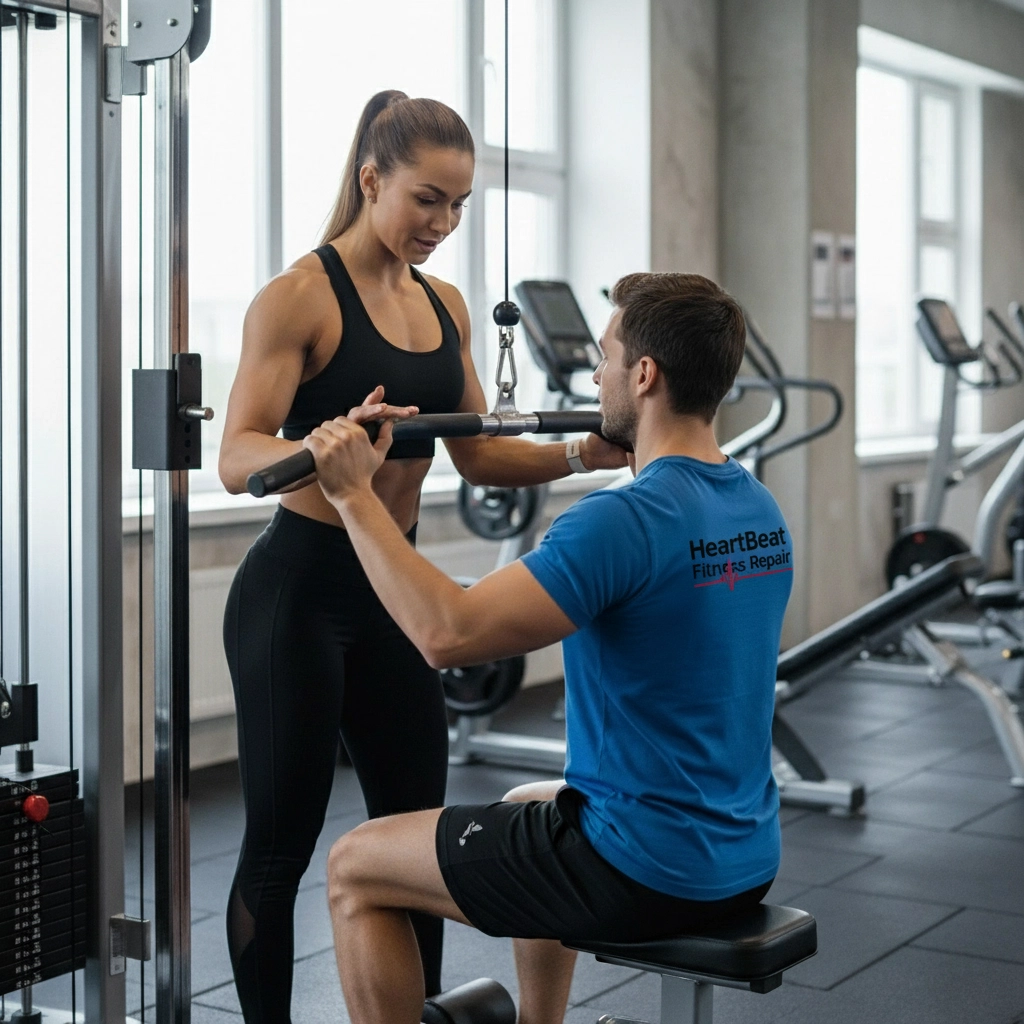
Preventive Professional Maintenance
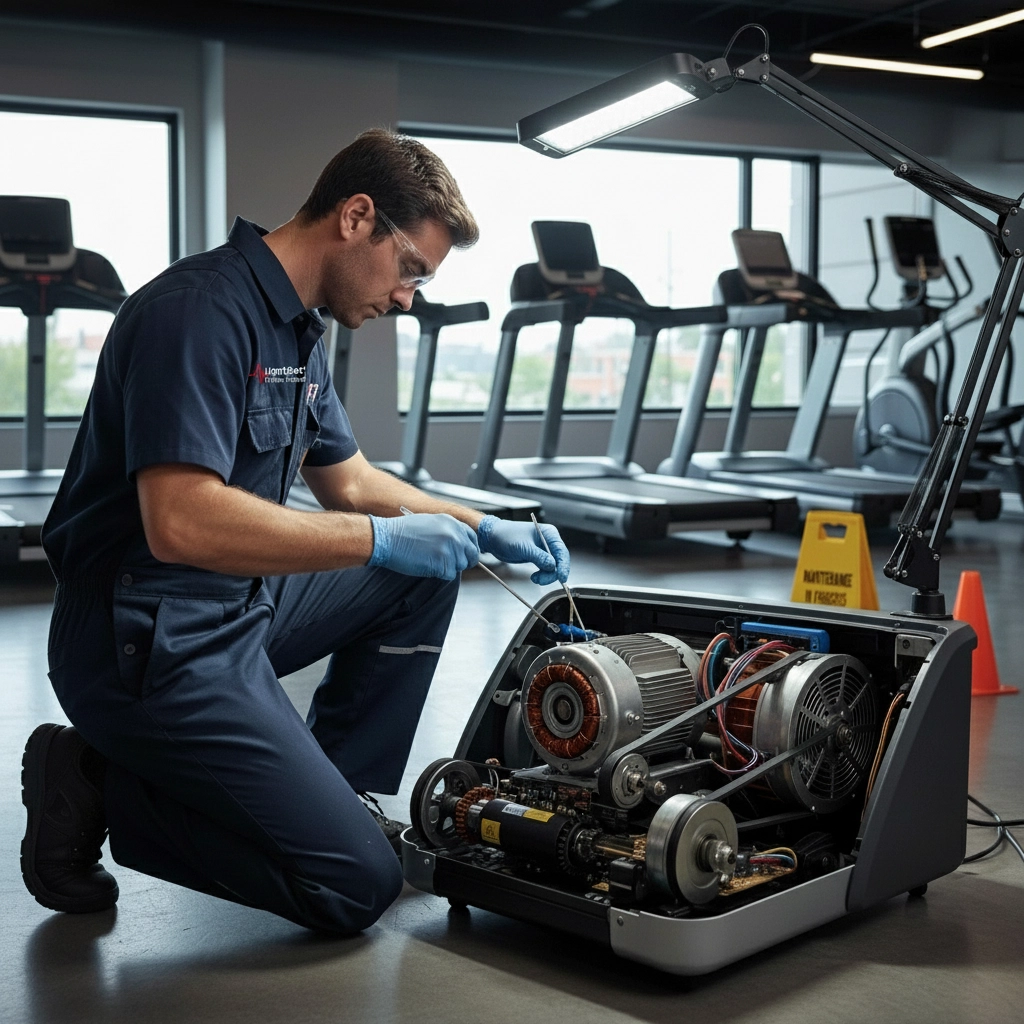
Schedule regular professional inspections even when equipment seems fine. Certified technicians can identify developing problems that aren’t visible during routine inspections. These comprehensive checkups catch issues early when they’re cheap to fix, not after they’ve caused expensive secondary damage.
Warranty Compliance and Protection
Maintain strict adherence to manufacturer maintenance recommendations to protect warranties and reduce liability. Professional service ensures these requirements are met properly, keeping your warranties valid and your equipment protected.
The Real Cost of Neglect vs. The Value of Prevention
Here’s the truth most gym owners learn the hard way: reactive maintenance costs 3-5 times more than preventive maintenance. A $200 preventive service call can prevent a $1,000 emergency repair. A $50 part replaced proactively can prevent a $500 secondary damage repair.
The gyms that thrive financially aren’t the ones with the most expensive equipment – they’re the ones with the smartest maintenance strategies. They understand that every hour spent on prevention saves days of downtime and thousands in repair costs.
Your equipment wants to work properly and last for years. Give it the consistent care it deserves, and it will reward you with reliable performance and minimal repair costs. Start with one step, master it, then add the next. Before you know it, you’ll have created a maintenance system that protects your investment and maximizes your profitability.
The choice is yours: pay a little now for prevention, or pay a lot later for repairs. Smart gym owners know which path leads to long-term success.
Ready to get started? Contact us to discuss how HeartBeat Fitness Repair can help you implement a maintenance strategy that protects your investment and keeps your equipment running smoothly for years to come
 Heartbeat Fitness Repair
Leave a comment