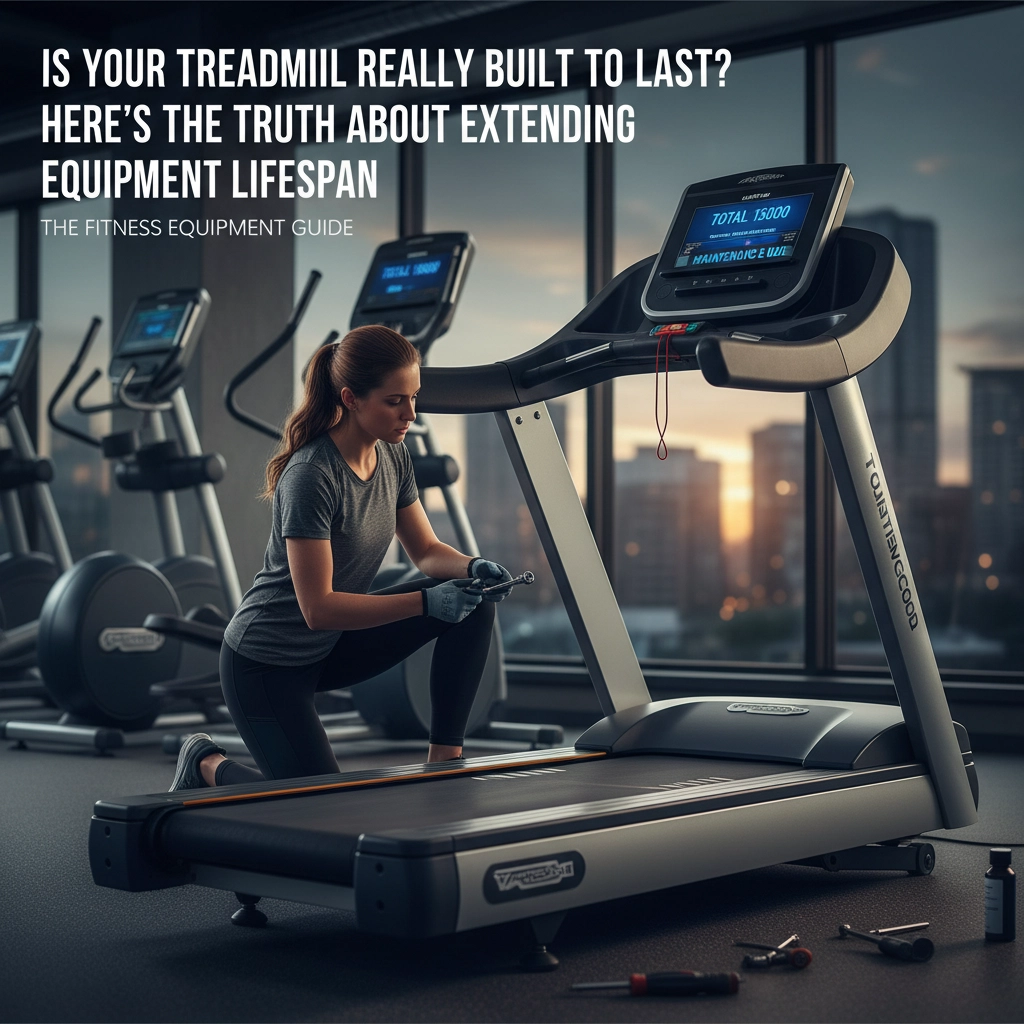
Look, I’m going to be straight with you. After years of fixing fitness equipment at HeartBeat Fitness Repair, I’ve seen it all – brand new treadmills that break down in six months and 15-year-old machines still purring like kittens. The truth? Most treadmills aren’t built to last forever, but the right ones can outlive your gym membership by decades.
The industry wants you to believe that treadmill failure is inevitable, that you should just accept replacing your equipment every few years. But here’s what they don’t tell you: with the right approach, your treadmill can become your most reliable workout partner for 10, 15, even 20 years.
The Reality Check: What “Built to Last” Actually Means
Here’s the uncomfortable truth – most home treadmills will hit their performance peak for about five years, then gradually decline until they hit the 7-12 year mark where major repairs become more frequent than your workouts. But here’s the kicker: this timeline isn’t set in stone.
I’ve worked on $500 treadmills that died after two years and $3,000 machines that are still going strong after a decade and a half. The difference isn’t just price – it’s understanding what truly makes equipment last.
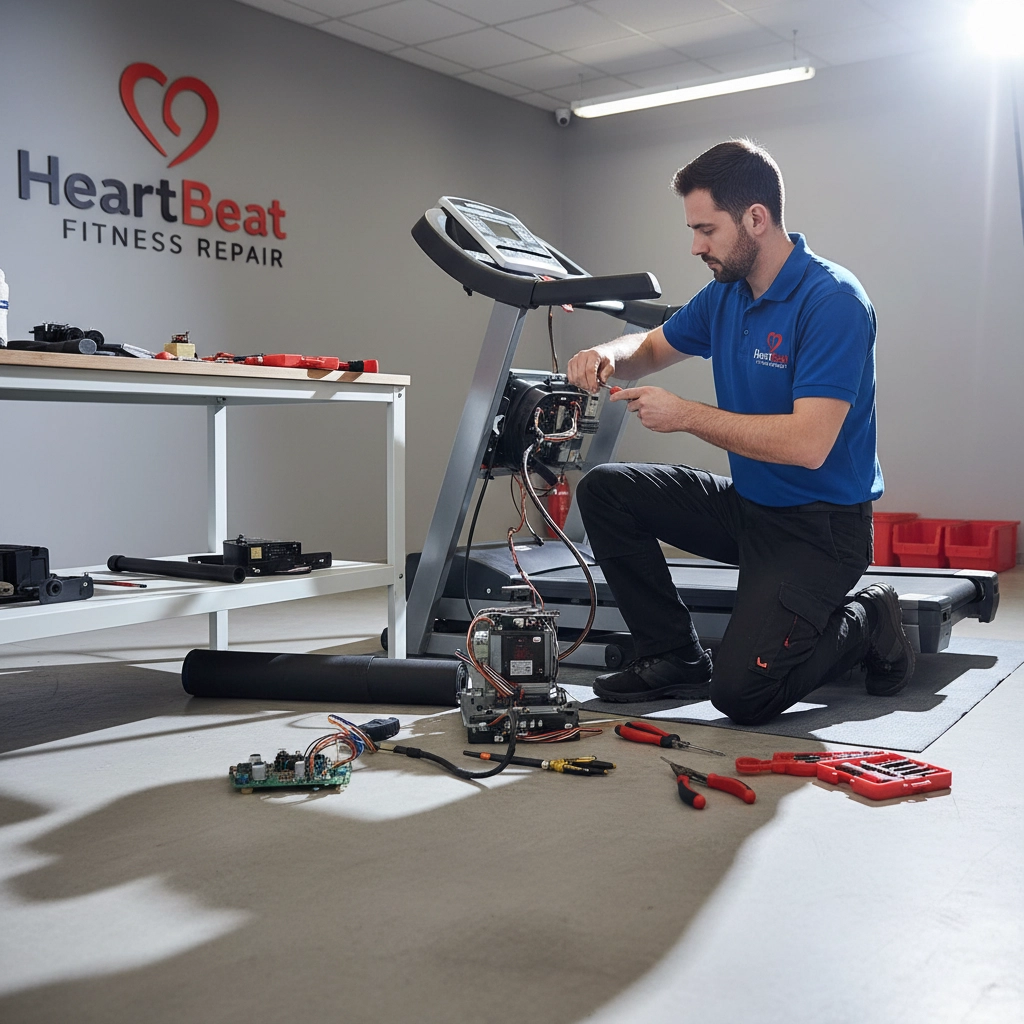
When manufacturers say “built to last,” they’re usually talking about meeting minimum safety standards, not creating equipment that’ll serve your grandchildren. The real question isn’t whether your treadmill is built to last – it’s whether you’re committed to making it last.
The Big Three: What Actually Determines Your Treadmill’s Lifespan
1. Build Quality (The Foundation That Can’t Be Fixed Later)
The motor is the heart of your treadmill, and like your actual heart, once it’s damaged, everything else suffers. Commercial-grade motors with continuous duty ratings will outlast peak-duty motors every single time. The belt system, frame construction, and electronic components all play crucial roles, but the motor sets the ceiling for your treadmill’s potential lifespan.
Pro tip from the repair trenches: If the warranty on the motor is less than 10 years, walk away. Manufacturers know their weak points – a short motor warranty is them telling you exactly when they expect failure.
2. Usage Patterns (It’s Not Just How Much, But How)
Here’s something that surprises most people: a treadmill used for 30 minutes daily by the same person will often outlast one used sporadically by different family members with varying weights and running styles. Consistent, predictable use is actually better for the machine than irregular, intense sessions.
The sweet spot for longevity? About 5,000 miles of total use for home treadmills, which translates to roughly 8-10 years for most people. But I’ve seen machines with proper maintenance hit 10,000+ miles and still run smoothly.
3. Maintenance Philosophy (The Game-Changer Most People Ignore)
This is where HeartBeat Fitness Repair has seen the biggest difference between equipment that lasts 5 years versus 15 years. It’s not just about following the manual – it’s about understanding your machine’s needs and staying ahead of problems.
Your Treadmill Longevity Action Plan
The Smart Buying Strategy
Warranty Deep Dive: Don’t just look at warranty length – examine what’s covered. Labor warranties of 2+ years indicate manufacturer confidence. Electronics should have 5-year coverage minimum, and motors should come with lifetime or 10+ year warranties.
The $1,500 Rule: Based on our repair data, this is the minimum investment threshold where quality components become standard rather than optional. Yes, you can find cheaper options, but you’re essentially buying a shorter lifespan.
Commercial-Grade Components at Home: Look for treadmills that use commercial-grade motors, belts, and decks. These components are designed for gym environments where failure isn’t an option.
The Maintenance Mastery Framework
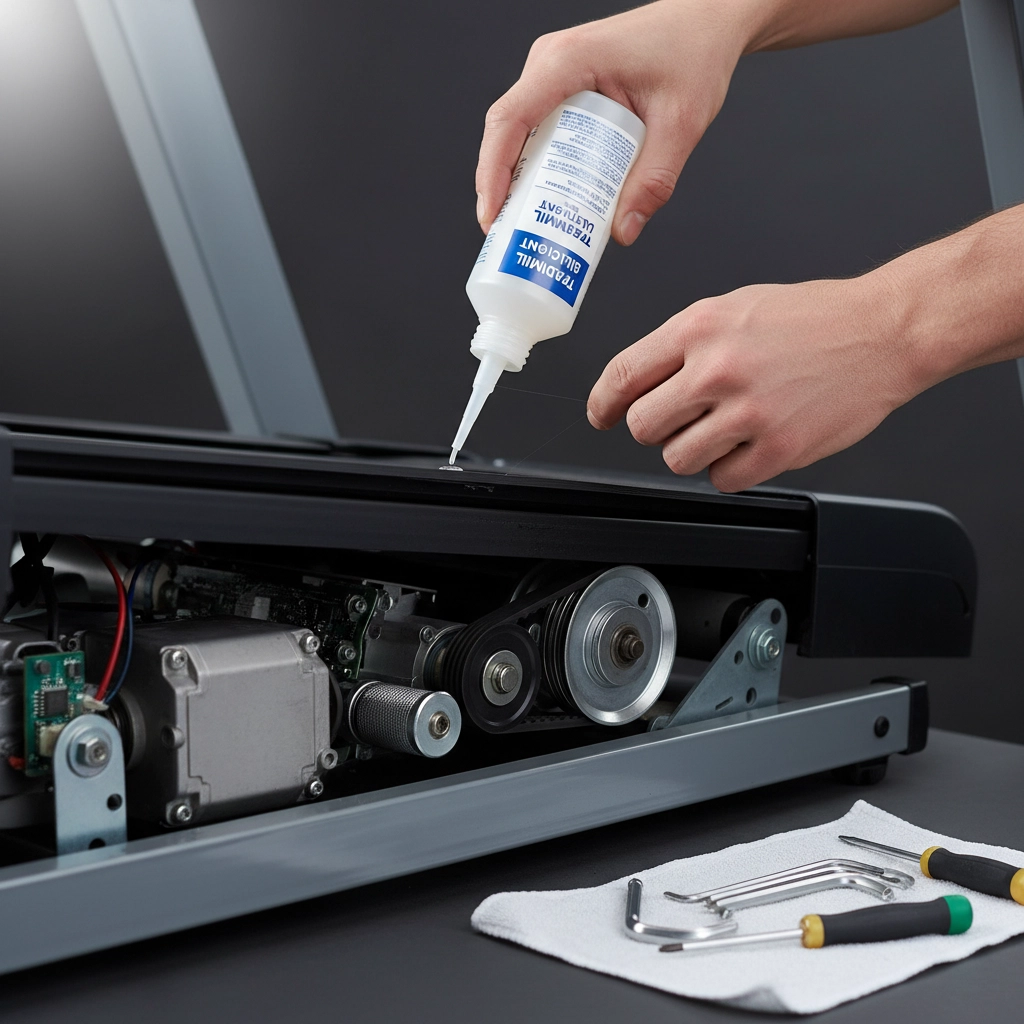
Monthly Must-Dos:
- Clean the belt and deck thoroughly
- Check for loose bolts and unusual noises
- Verify belt alignment and tension
- Lubricate according to manufacturer specifications
Quarterly Check-Ups:
- Deep clean internal components
- Inspect electrical connections
- Test safety features
- Calibrate incline and speed settings
Annual Professional Service: Even if everything seems fine, annual professional maintenance catches problems before they become expensive repairs. At HeartBeat Fitness Repair, we often find issues during routine service that would have led to major component failure within months.
The Environmental Factor Nobody Talks About
Your treadmill’s environment dramatically affects its lifespan. Humidity, temperature fluctuations, and dust are silent killers of fitness equipment. A climate-controlled environment can extend your treadmill’s life by 30-50%.
Humidity Control: Keep humidity below 50% to prevent electronic corrosion and motor issues.
Temperature Stability: Avoid basements, garages, or rooms with extreme temperature swings.
Dust Management: Regular cleaning isn’t just about aesthetics – dust infiltration destroys motors and electronic components.
When Repair Makes Sense (And When It Doesn’t)
Here’s the formula we use at HeartBeat Fitness Repair: if the repair cost exceeds 40% of the treadmill’s current value, it’s usually time to upgrade. But there are exceptions:
Always Repair If:
- The treadmill is under 5 years old
- Only one major component needs replacement
- You’ve maintained it properly and this is the first major issue
Consider Replacement If:
- Multiple systems are failing
- The frame is damaged
- Replacement parts are no longer available
The Commercial Gym Owner’s Advantage
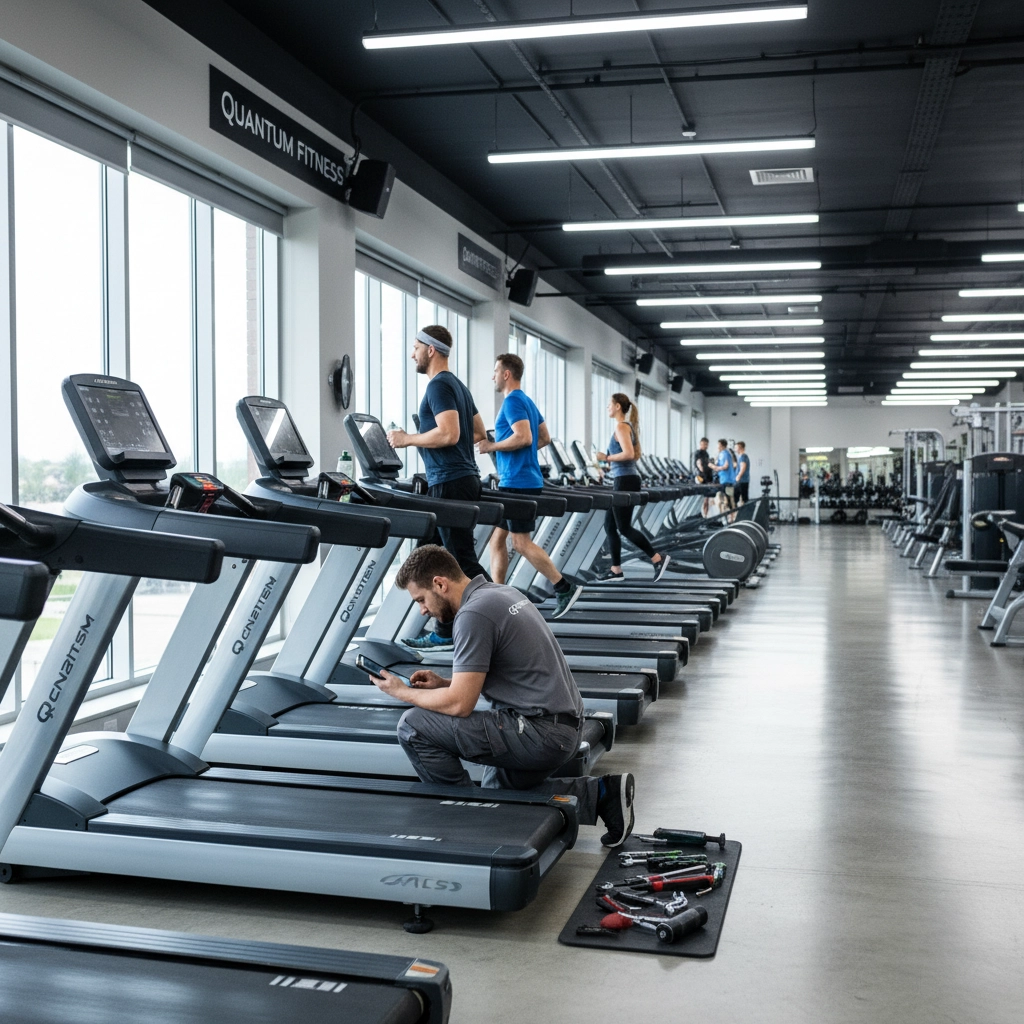
If you’re running a commercial facility, your approach should be different. Commercial treadmills with proper maintenance schedules can last 15-20 years, but only with proactive care. The cost of downtime in a commercial setting makes preventive maintenance non-negotiable.
Commercial-Specific Tips:
- Track usage hours, not just time
- Implement user weight limits
- Schedule maintenance based on usage, not calendar time
- Keep detailed maintenance logs for warranty purposes
The Bottom Line on Treadmill Longevity
Your treadmill’s lifespan isn’t predetermined by the manufacturer – it’s determined by your choices. The right equipment, proper maintenance, and favorable environment can turn a 7-year machine into a 15-year investment.
At HeartBeat Fitness Repair, we’ve seen too many people give up on equipment that had years of life left, and we’ve also seen people pour money into machines that should have been replaced long ago. The key is understanding the difference.
Your treadmill can be built to last – sometimes it just needs the right owner to make it happen. The question isn’t whether manufacturers build them to last forever. The question is: are you ready to make yours last as long as possible?
Ready to maximize your treadmill’s lifespan? Contact our team for a comprehensive equipment assessment. We’ll help you create a maintenance plan that turns your current equipment into a long-term investment.

 Heartbeat Fitness Repair
Leave a comment