Let’s be honest – nobody wants to drop thousands on a new treadmill every few years. With the right maintenance approach, you can easily add 5+ years to your treadmill’s life, turning that 6-year investment into a solid 10-12 year workhorse.
As fitness equipment repair specialists, we’ve seen it all: treadmills that die after 2 years due to neglect, and others still running strong after 15 years with proper care. The difference? A proven maintenance framework that most people never follow.
The Daily 5-Minute Rule
Clean After Every Use
This is non-negotiable. After each workout, grab a soft cloth (slightly damp, not soaking) and wipe down the belt, deck, and handrails. Sweat is your treadmill’s biggest enemy – it’s acidic and will eat away at components over time.
Focus on:
- The treadmill belt surface
- Side rails where you step on/off
- Console and handrails (especially heart rate sensors)
- Any visible sweat spots on the frame
Quick Belt Check
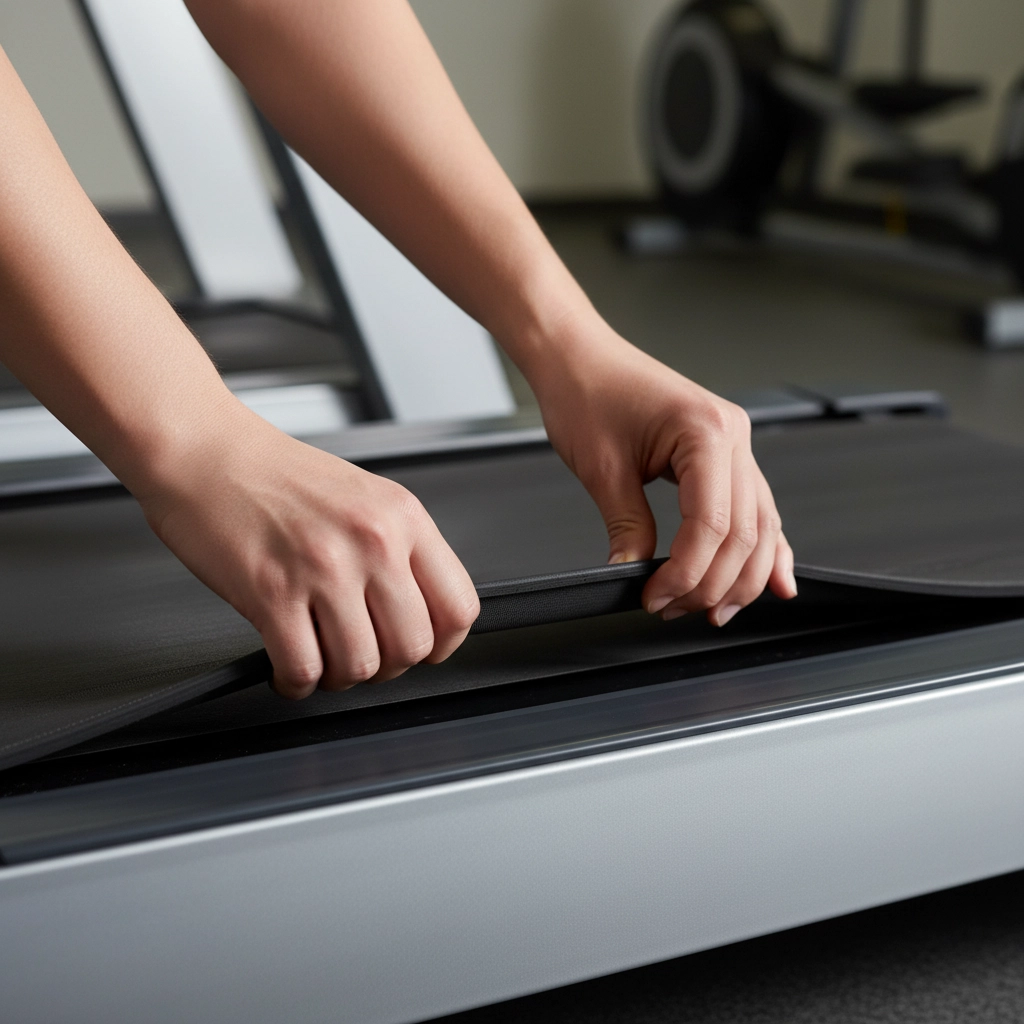
Before hopping on, do a 10-second belt inspection. Lift the center of the belt slightly – it should have just a bit of give (about 2-3 inches) then settle back down. Too loose? You’ll get slipping. Too tight? You’re putting unnecessary strain on the motor.
Weekly Maintenance That Actually Matters
Lubrication is Everything
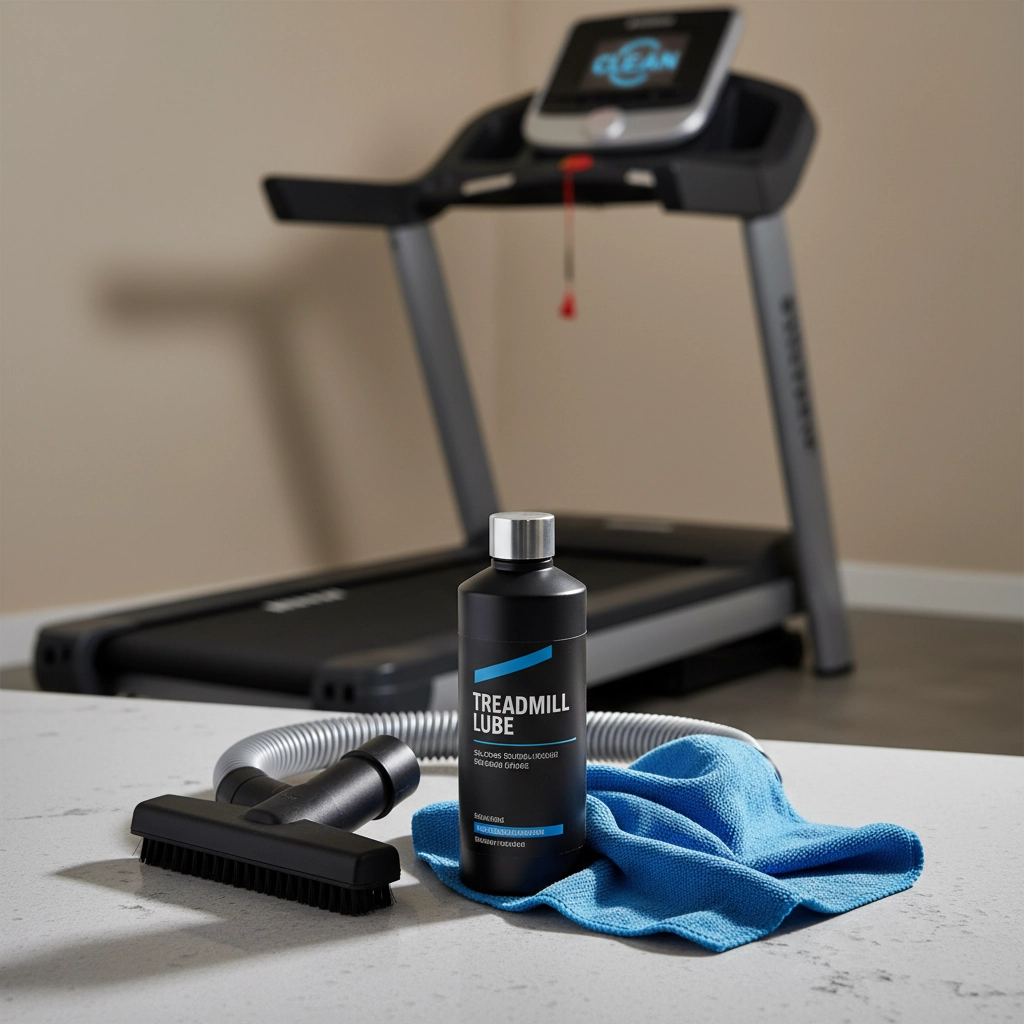
Here’s where most people mess up. Your treadmill belt needs lubrication every 150-200 miles or roughly every 3 months for average users. Use only silicone-based lubricant designed for treadmills – never WD-40 or household oils.
How to lubricate properly:
- Unplug the machine
- Lift one side of the belt
- Apply lubricant in a thin line along the deck (not the belt itself)
- Repeat on the other side
- Plug back in and run at 3-4 mph for 5 minutes to distribute
Electrical Safety Sweep
Once a week, do a quick visual check of all electrical components. Look for:
- Frayed power cords
- Loose connections
- Any burning smells during operation
- Worn plug prongs
A $15 surge protector can save you hundreds in motor replacement costs.
Monthly Deep Clean Protocol
The Vacuum Treatment
Monthly, you need to get underneath and inside your treadmill. Dust, hair, and debris accumulate in the motor area and can cause overheating.
- Unplug the machine
- Vacuum underneath thoroughly
- Remove the motor cover (check your manual first)
- Carefully vacuum visible dust from motor area
- Check for hair wrapped around rollers
Belt Tracking Adjustment
If your belt consistently drifts to one side during use, it needs tracking adjustment. This prevents uneven wear that can cut your belt’s life in half.
Most treadmills have adjustment bolts at the rear roller. Small 1/4 turns make a big difference – always make tiny adjustments and test.

Environmental Factors That Kill Treadmills
Location Matters
Your treadmill’s environment dramatically affects its lifespan:
- Avoid basements with high humidity (causes rust and electrical issues)
- Keep away from windows with direct sunlight (UV degrades plastics and belts)
- Maintain stable temperature (heat causes electronics to fail faster)
- Use on level surfaces (uneven floors stress the frame)
The Mat Investment
A quality treadmill mat isn’t just for floor protection – it reduces vibration, prevents dust infiltration, and provides better stability. This $50 investment can easily add years to your machine’s life.
Usage Habits That Extend Life
Respect Weight Limits
This isn’t negotiable. If your treadmill is rated for 300 pounds, don’t push it to 320 “just this once.” Consistent overloading leads to:
- Motor strain and premature failure
- Belt stretching and cracking
- Frame stress and alignment issues
Proper Running Form
- Land softly, don’t pound the belt
- Keep steady, even strides
- Never lean heavily on the console
- Use the safety clip (protects both you and the machine)
The Annual Professional Touch
Why DIY Isn’t Always Enough
Even with perfect maintenance, annual professional service pays for itself. A qualified technician can:
- Detect motor brush wear before failure
- Identify belt wear patterns you might miss
- Check internal wiring and connections
- Calibrate speed and incline accuracy
- Replace wear parts before they damage other components
At HeartBeat Fitness Repair, we consistently see treadmills with 10+ year lifespans that receive annual service versus 5-6 years for those that don’t.
Red Flags That Demand Immediate Action
Stop using your treadmill immediately if you notice:
- Belt slipping despite proper tension
- Unusual noises (grinding, squealing, knocking)
- Erratic speed changes
- Burning smells
- Excessive vibration
- Error codes that persist after power cycling
Continuing to use a malfunctioning treadmill often turns a $200 repair into a $2000 replacement.
The 5-Year Extension Formula
Here’s the proven framework that adds 5+ years to any treadmill:
Years 1-3: Prevention Focus
- Daily cleaning (5 minutes)
- Weekly lubrication checks
- Monthly deep cleaning
- Quarterly belt lubrication
Years 4-7: Maintenance Mode
- All previous tasks plus:
- Semi-annual professional inspection
- Proactive belt replacement (every 2-3 years)
- Motor brush replacement as needed
Years 8+: Preservation Phase
- Increased inspection frequency
- Component replacement strategy
- Performance optimization
- Cost vs. replacement analysis

The Bottom Line Economics
Let’s do the math. A quality home treadmill costs $2,000-4,000. Professional maintenance runs about $200 annually. Basic supplies (lubricant, cleaning materials) cost maybe $50 per year.
Without proper maintenance: 5-6 year lifespan = $400-650 per year of use
With this framework: 10-12 year lifespan = $200-350 per year of use
You’re literally cutting your per-year treadmill cost in half while enjoying better performance and reliability.
Most people think treadmill maintenance is complicated – it’s not. It’s consistent. Following this framework isn’t about becoming a repair expert; it’s about developing simple habits that compound over time.
Your treadmill is an investment in your health. With 30 minutes of maintenance monthly and smart usage habits, that investment will serve you well into the next decade.
Need professional help implementing this framework? Our team at HeartBeat Fitness Repair specializes in keeping fitness equipment running strong for the long haul.

 Heartbeat Fitness Repair
Leave a comment