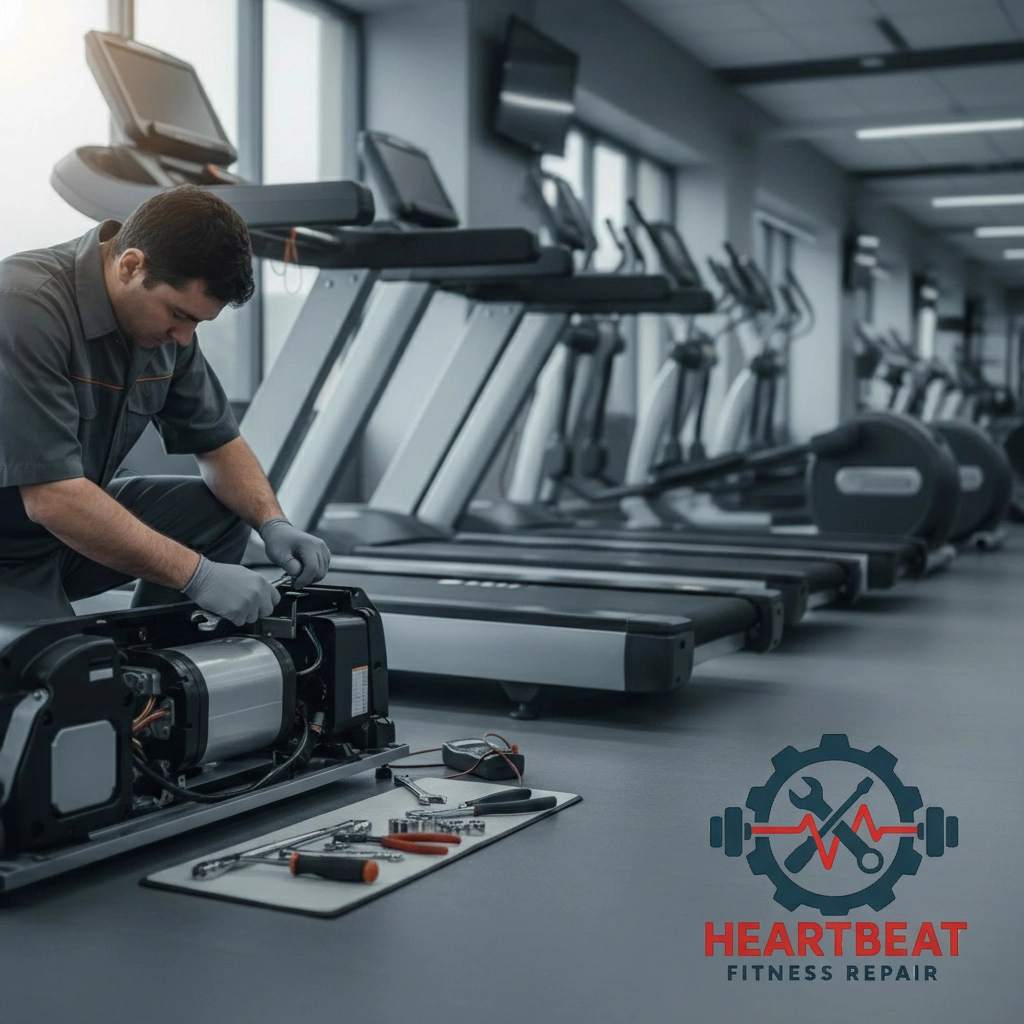
You’ve got a treadmill that’s making that weird grinding noise again, or maybe your elliptical just stopped working mid-workout. The question that pops into your head is probably the same one we hear all the time: “Can I just fix this myself?”
Here’s the honest truth – sometimes you can, but more often than not, you shouldn’t. DIY gym equipment repair isn’t inherently “bad,” but it comes with serious risks that many people don’t fully understand until it’s too late.
The Real Dangers of Going Solo
Let’s start with the elephant in the room – safety. Modern fitness equipment isn’t your grandfather’s simple mechanical contraption. These machines pack sophisticated electrical systems, complex moving parts, and components that operate under significant stress and tension.
When you crack open that control panel or start dismantling mechanical parts without proper knowledge, you’re potentially putting yourself and future users at serious risk. Electrical components can deliver dangerous shocks, and improperly reassembled parts can fail catastrophically during use.
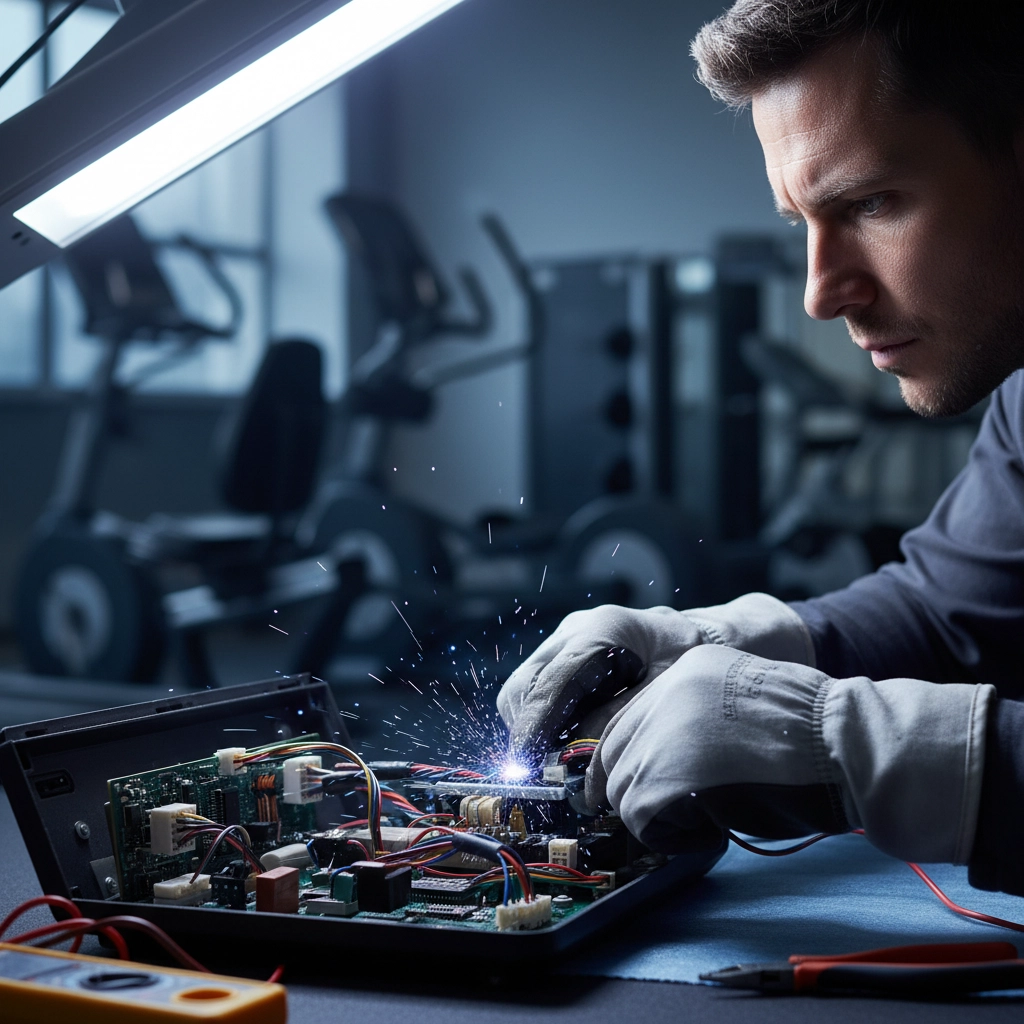
Think about it this way – when your equipment breaks down during someone’s workout, the consequences can be devastating. We’ve seen cases where amateur repairs led to belt failures, sudden stops, and mechanical breakdowns that injured users. The liability alone should give any gym owner or even home fitness enthusiast serious pause.
But it’s not just about immediate dangers. Improper repairs often create a domino effect. Fix one thing incorrectly, and you might damage three other components in the process. What started as a $200 repair job can quickly become a $1,500 replacement scenario.
When DIY Makes Sense (Yes, There Are Times!)
Before you think we’re completely anti-DIY, let’s be clear – there are absolutely times when rolling up your sleeves makes perfect sense. Basic maintenance and simple fixes? Those are often well within the wheelhouse of a careful, methodical person with the right tools.
Simple maintenance tasks you can tackle:
- Cleaning and lubrication – Keeping your equipment clean and properly lubricated is probably the single most important thing you can do to extend its life
- Tightening loose bolts – A simple wrench and a few minutes can often solve annoying rattles and wobbles
- Basic belt replacements – On simpler machines, swapping out a worn exercise belt isn’t rocket science
- Resetting electronics – Sometimes that “broken” machine just needs to be unplugged and plugged back in
The key here is knowing your limits. If you’re comfortable with basic tools, can follow detailed instructions, and understand when something is beyond your skill level, you can handle routine upkeep that keeps your equipment running smoothly between professional services.
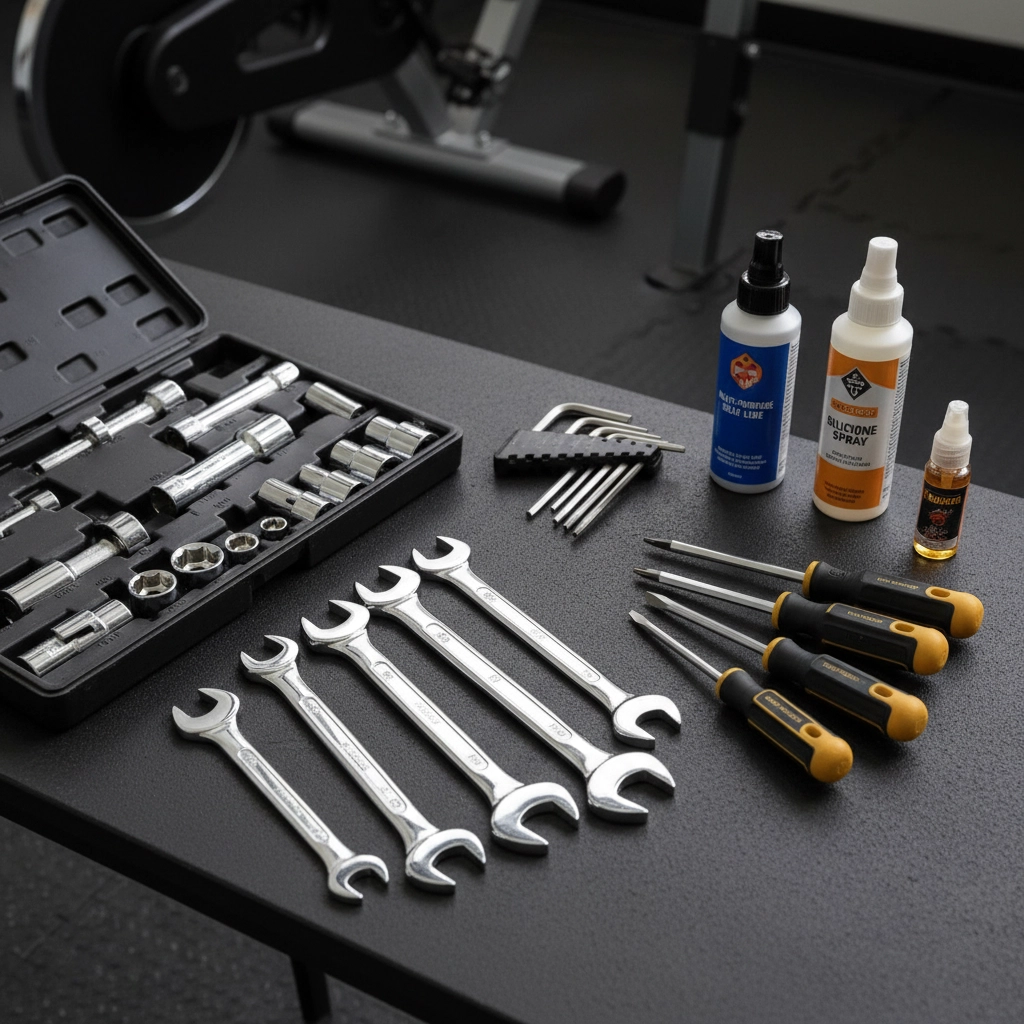
Essential tools for basic maintenance:
- Adjustable wrenches
- Socket set
- Various screwdrivers (Phillips and flathead)
- Hex keys
- Quality lubricants
- Basic cleaning supplies
But here’s the critical part – having the tools doesn’t automatically qualify you for complex repairs. Know the difference between maintenance and repair.
Red Flags: When to Call the Professionals
Some situations are absolute no-gos for DIY attempts. Period. These are the scenarios where attempting self-repair isn’t just unwise – it’s potentially dangerous and definitely expensive in the long run.
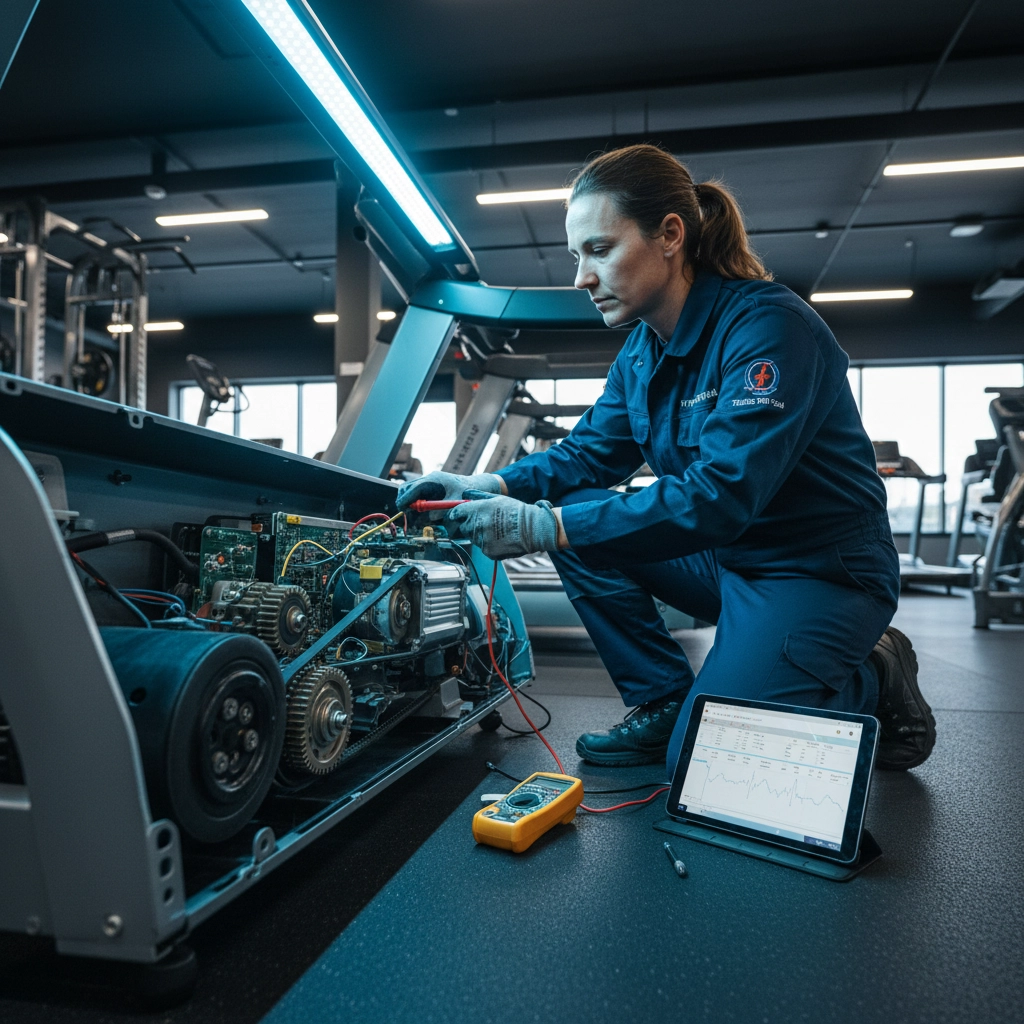
Electrical issues top the list. If your equipment won’t power on, displays error codes, has flickering displays, or shows any signs of electrical problems, step away from the toolbox. Modern fitness equipment contains complex circuit boards, sensors, and control systems that require specialized knowledge and diagnostic equipment.
Major mechanical failures are another hard stop. When we’re talking about motor problems, transmission issues, frame damage, or failures in load-bearing components, you’re well into professional territory. These repairs often require specialized tools, replacement parts that aren’t readily available to consumers, and knowledge of proper torque specifications and safety margins.
Warranty considerations matter too. Many equipment manufacturers void warranties if unauthorized repairs are attempted. Before you even think about DIY, check your warranty status. That “simple” fix might cost you thousands in future coverage.
The Professional Advantage
When you work with certified fitness equipment repair specialists like our team at HeartBeat Fitness Repair, you’re not just paying for the repair – you’re investing in expertise, proper tools, genuine parts, and most importantly, accountability.
Professional technicians bring several advantages that DIY simply can’t match:
Diagnostic expertise – We can quickly identify root causes, not just symptoms. That weird noise might seem like a belt issue, but it could actually indicate bearing wear or motor problems.
Proper tools and equipment – Specialized diagnostic equipment, proper torque wrenches, and manufacturer-specific tools ensure repairs are done correctly the first time.
Access to genuine parts – We maintain relationships with equipment manufacturers and parts suppliers, ensuring you get the right components, not cheap knockoffs that fail quickly.
Safety protocols – Professional repair includes proper safety procedures, electrical testing, and post-repair inspections that verify everything is working correctly.
Insurance and liability coverage – When professionals do the work, you’re protected. If something goes wrong, it’s covered.
Making Smart Repair Decisions
The key to smart equipment maintenance is understanding which tasks belong in which category. Create a mental framework that helps you make good decisions when issues arise.
For routine maintenance:
- If it’s in your owner’s manual maintenance section, you can probably handle it
- If it requires only basic tools and doesn’t involve disassembly, go for it
- If manufacturer instructions are clear and safety risks are minimal, proceed
For repairs:
- If it involves electrical components, call professionals
- If it requires specialized tools you don’t own, get help
- If you’re unsure about safety implications, don’t risk it
- If warranty coverage might be affected, check first

The hybrid approach often works best. Handle basic maintenance yourself, but establish a relationship with professional repair services for everything else. Regular professional maintenance combined with good owner care creates the optimal balance of cost-effectiveness and reliability.
Your Equipment’s Longevity Depends on Smart Choices
The reality is that modern fitness equipment requires a thoughtful approach to maintenance and repair. DIY isn’t inherently bad, but it requires honest assessment of your skills, the complexity of the issue, and the potential consequences of getting it wrong.
The most successful equipment owners – whether managing a commercial gym or maintaining a home setup – develop a maintenance mindset. They handle what they can safely manage, recognize when professional help is needed, and don’t let minor issues become major problems through neglect or improper repair attempts.
Remember, the goal isn’t just fixing what’s broken – it’s maintaining safe, reliable equipment that serves users well for years to come. Sometimes that means grabbing your wrench, and sometimes it means making that call for professional help. The key is knowing which situation calls for which approach.
Your equipment is an investment. Treat it like one, and it’ll serve you well for years to come.

 Heartbeat Fitness Repair
Leave a comment