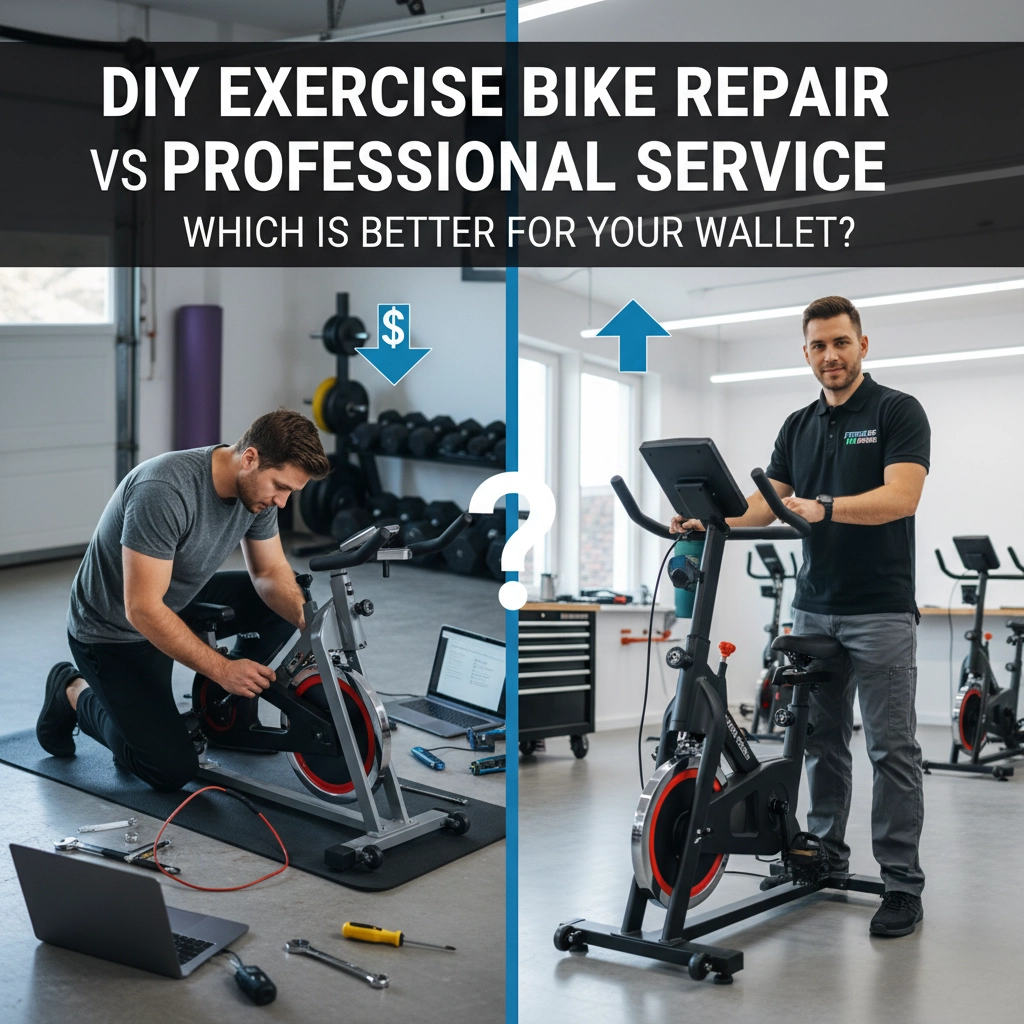
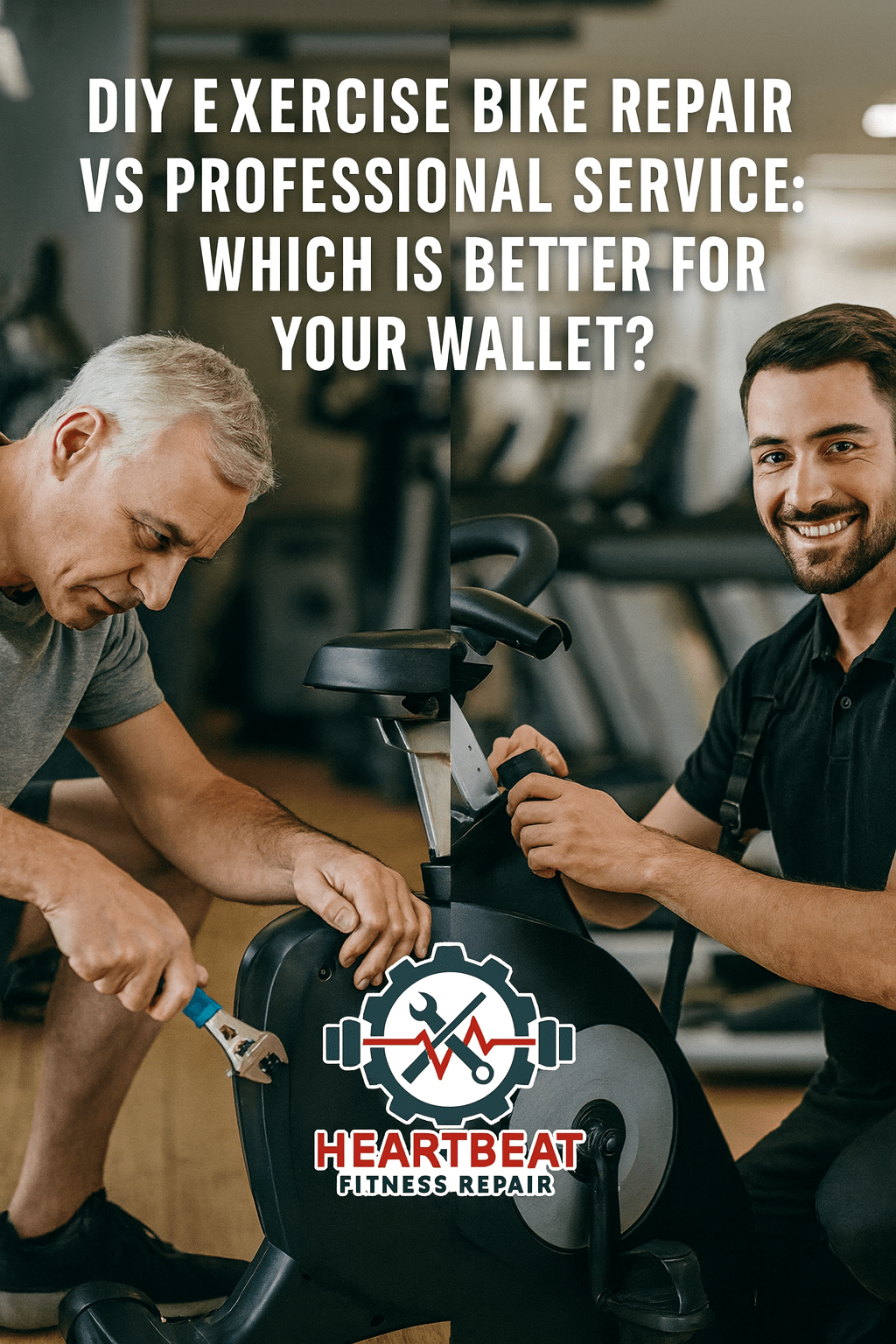
Your exercise bike just started making that weird grinding noise again, and now the resistance isn’t working properly. Sound familiar? You’re facing the age-old question that every fitness equipment owner encounters: should you roll up your sleeves and fix it yourself, or call in the professionals?
The truth is, this decision can literally save you hundreds of dollars – or cost you even more if you make the wrong choice. Let’s break down the real costs, benefits, and potential pitfalls of both approaches so you can make the smartest financial decision for your situation.
The DIY Route: Rolling Up Your Sleeves
When it comes to exercise bike repair, going the DIY route can be incredibly rewarding – both financially and personally. Most exercise bike issues are surprisingly straightforward, and with today’s YouTube tutorials and online forums, you’ve got more resources than ever before.
The Money-Saving Potential
Here’s where DIY really shines: labor costs typically make up 60-80% of any gym equipment repair bill. A professional service call might run you $150-300 just to walk through your door, plus parts and additional labor. Meanwhile, that same repair might only require $20-50 in parts if you handle it yourself.

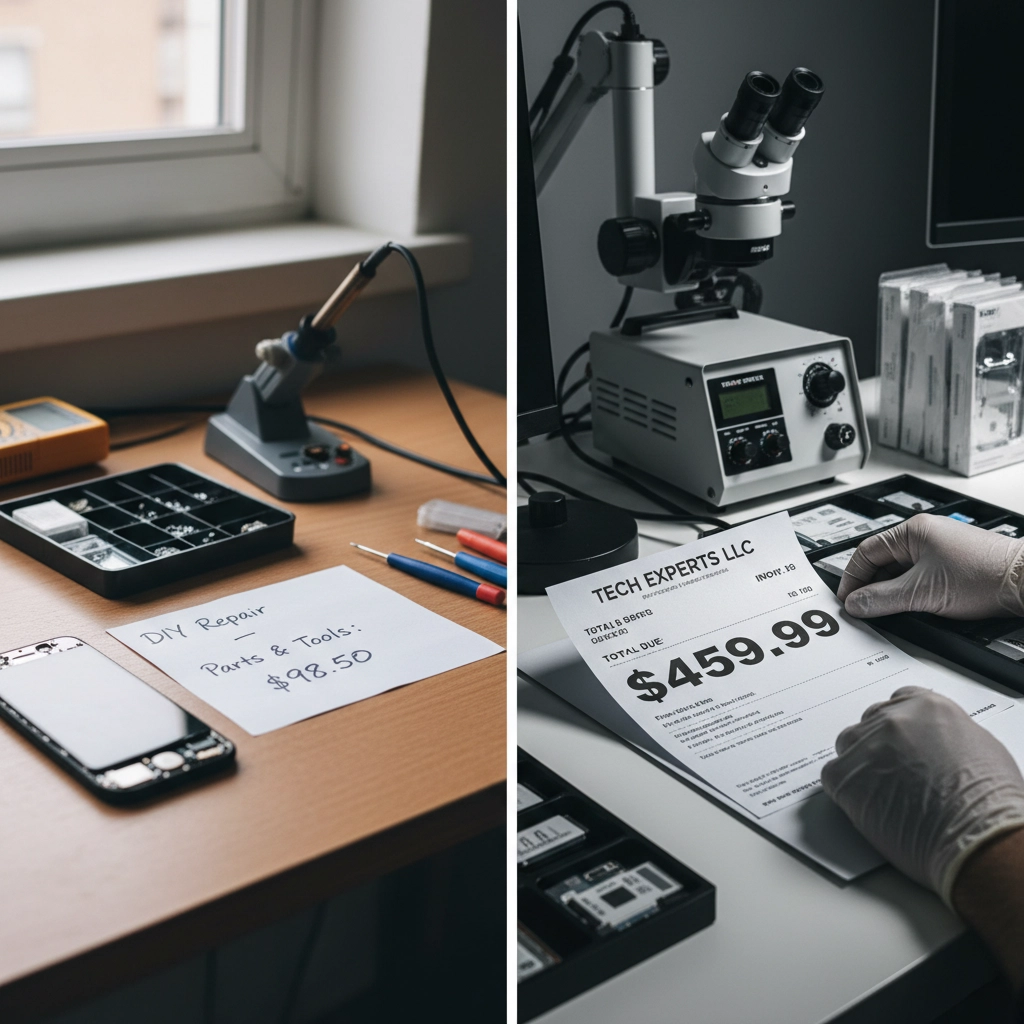
Consider this real example: a client recently got quoted $480 for a professional exercise bike belt replacement and calibration. The belt cost $35 online, and with a couple hours of YouTube research and some basic tools, they handled it themselves. That’s a $445 saving right there!
What You Can Realistically Handle
Most exercise bike problems fall into these DIY-friendly categories:
Basic Maintenance Tasks:
- Belt replacements and adjustments
- Cleaning and lubricating moving parts
- Tightening loose bolts and connections
- Replacing worn pedal straps or seats
Simple Electrical Issues:
- Replacing display batteries
- Checking and reconnecting loose wires
- Basic sensor cleaning and adjustment
Mechanical Adjustments:
- Resistance knob calibration
- Brake pad adjustments
- Chain tension fixes (for chain-drive bikes)
The Potential Downsides
But let’s be honest – DIY isn’t always sunshine and savings. You might spend hours diagnosing the wrong problem, order incorrect parts, or accidentally create bigger issues while trying to fix smaller ones. Plus, there’s the tool investment to consider. A good set of basic repair tools might run you $100-200 upfront, though they’ll pay for themselves over time.
Professional Service: What You’re Really Paying For
When you call a professional gym equipment repair service like us here at HeartBeat Fitness Repair, you’re not just paying for the fix – you’re investing in expertise, efficiency, and peace of mind.
The Value Proposition
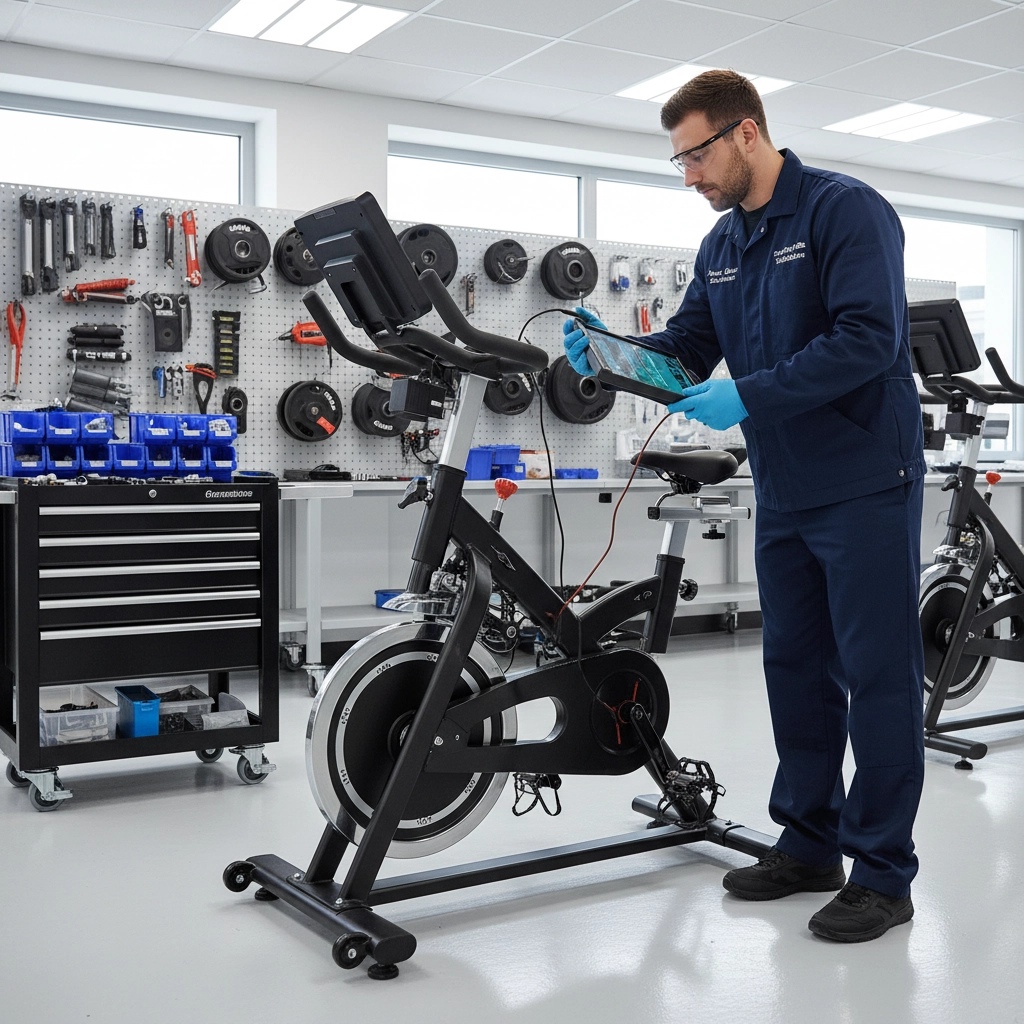
Professional technicians bring years of experience and specialized tools to every job. We can often diagnose issues in minutes that might take you hours to figure out. Plus, we’ve seen it all before – those weird, intermittent problems that seem to defy logic? We probably fixed three of them last week.
Quality and Warranty Protection
Here’s something many DIY enthusiasts don’t consider: most professional repairs come with warranties. If we fix your exercise bike and the same issue pops up again within our warranty period, we’ll take care of it at no additional charge. Try getting that guarantee when you fix it yourself!
Professional service also maintains any existing manufacturer warranties. Some fitness equipment warranties actually become void if you attempt repairs yourself, especially on newer models.
Time is Money Too
Let’s talk about something that often gets overlooked in these cost comparisons: your time. A professional can typically complete most exercise bike repair jobs in 1-2 hours. That same repair might take you an entire weekend, especially if you hit complications or need to order additional parts.
If you value your weekend time at even $25/hour, a 6-hour DIY project just “cost” you $150 in opportunity cost, plus the frustration factor.
The Real Cost Breakdown: Let’s Do the Math
Here’s where the rubber meets the road. Let’s compare some common scenarios:
Scenario 1: Simple Belt Replacement
- DIY Cost: $35 (belt) + $50 (basic tools, if needed) + 2 hours time = $85 plus time
- Professional Cost: $180-250 total
- DIY Savings: $95-165
Scenario 2: Electronic Display Issues
- DIY Cost: $45 (display unit) + 3-4 hours troubleshooting = $45 plus significant time
- Professional Cost: $200-300 total
- DIY Savings: $155-255 (if successful)
Scenario 3: Complex Resistance System Problems
- DIY Cost: $80 (parts) + $30 (specialized tools) + 6+ hours + potential mistake costs = $110+ plus major time investment
- Professional Cost: $300-450 total
- Professional Value: Often worth it due to complexity
When DIY Makes Perfect Sense
Choose the DIY route when:
The problem is straightforward and well-documented online. If you can find multiple YouTube videos showing exactly your issue and repair process, you’re probably in good DIY territory.
You enjoy learning and have some mechanical aptitude. There’s real satisfaction in fixing your own equipment, and these skills transfer to other repairs around your home.
Your equipment is older and out of warranty. No warranty concerns means you’re free to experiment without voiding coverage.
You’re dealing with routine maintenance. Regular cleaning, lubrication, and basic adjustments are perfect DIY tasks that will save you money over time.
Red Flags That Scream “Call a Professional”
Some situations are just too risky or complex for DIY approaches:
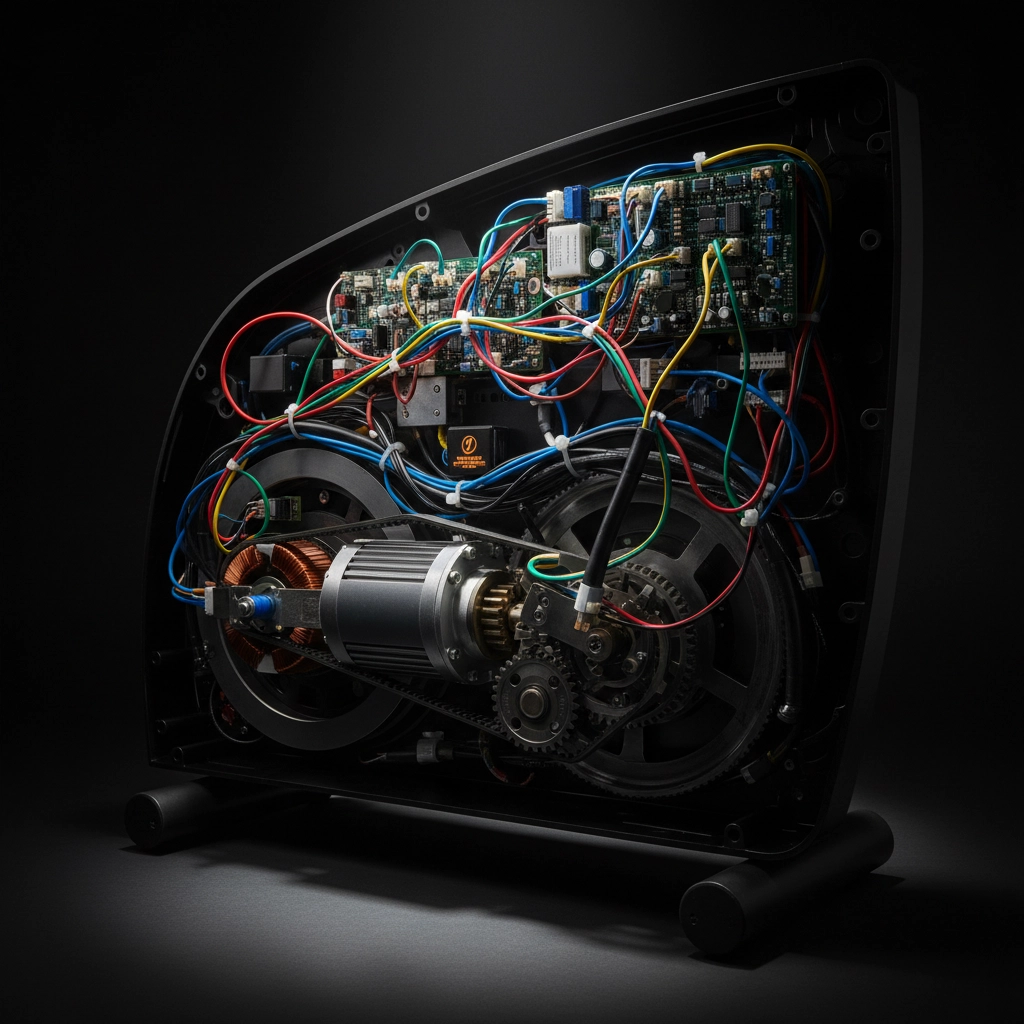
Electrical issues beyond simple connections. If you’re dealing with motor problems, complex wiring, or power supply issues, professional help is worth every penny. Electrical mistakes can be dangerous and expensive.
Structural or frame problems. Anything involving the bike’s frame, welding, or major structural components should be left to professionals. Your safety is worth more than the savings.
Warranty concerns. If your equipment is still under warranty, unauthorized repairs can void your coverage entirely.
You’ve already tried and failed. If you’ve spent hours on a DIY attempt without success, cut your losses and call the professionals. Continued tinkering often makes problems worse and more expensive to fix.
Finding the Sweet Spot: A Hybrid Approach
Here’s what we recommend to our clients at HeartBeat Fitness Repair: start with a hybrid approach that maximizes your savings while minimizing risks.
Handle routine maintenance yourself: Regular cleaning, lubrication, and basic adjustments are perfect DIY tasks. Set up a monthly maintenance routine to catch small issues before they become big problems.
Know your limits: Attempt simple repairs that are well-documented and low-risk, but don’t hesitate to call professionals for complex issues.
Build a relationship with a trusted repair service: When you do need professional help, having an established relationship with a reliable service like ours means faster response times and often better pricing for repeat customers.
The Bottom Line: Making the Smart Choice
The “better for your wallet” question doesn’t have a one-size-fits-all answer, but here’s the truth: the smartest approach combines both DIY and professional service strategically.
For routine maintenance and simple repairs, DIY can save you hundreds of dollars annually. A basic tool investment of $100-200 will pay for itself quickly if you handle even 2-3 simple repairs per year.
However, for complex issues, safety-critical repairs, or when you’re dealing with expensive equipment under warranty, professional service is often the better financial choice in the long run.
The key is honest self-assessment. Are you handy with tools? Do you enjoy troubleshooting? Do you have the time to invest in learning and potentially making mistakes? If yes, DIY can be incredibly cost-effective. If not, professional service saves you time, frustration, and potential costly mistakes.
Remember, the cheapest repair is the one that’s done right the first time. Whether that’s DIY or professional depends on your specific situation, but now you have the framework to make that decision confidently.
Ready to tackle your exercise bike repair? Start with our booking page if you decide professional help is the way to go, or check out our maintenance guides if you’re ready to DIY. Either way, we’re here to help keep your fitness equipment running smoothly and your wallet happy.
 Heartbeat Fitness Repair
Leave a comment