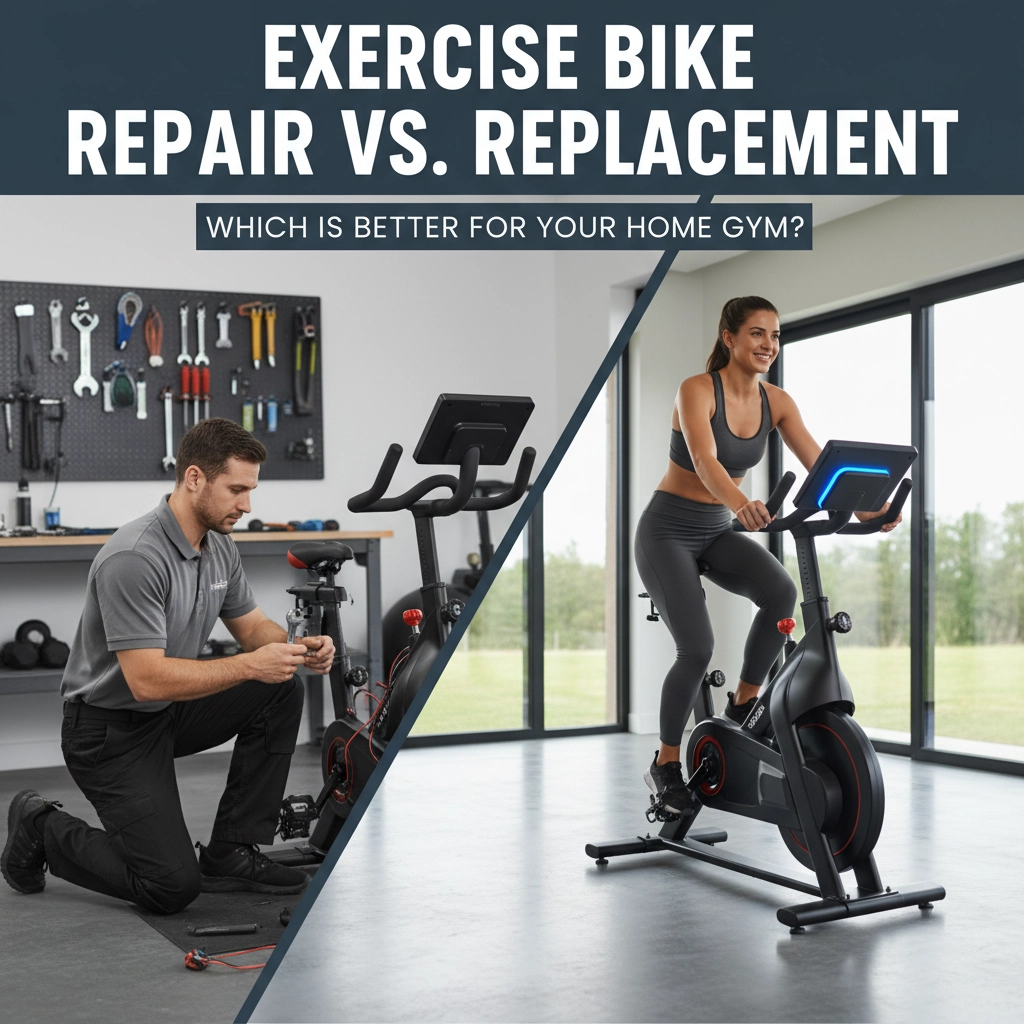
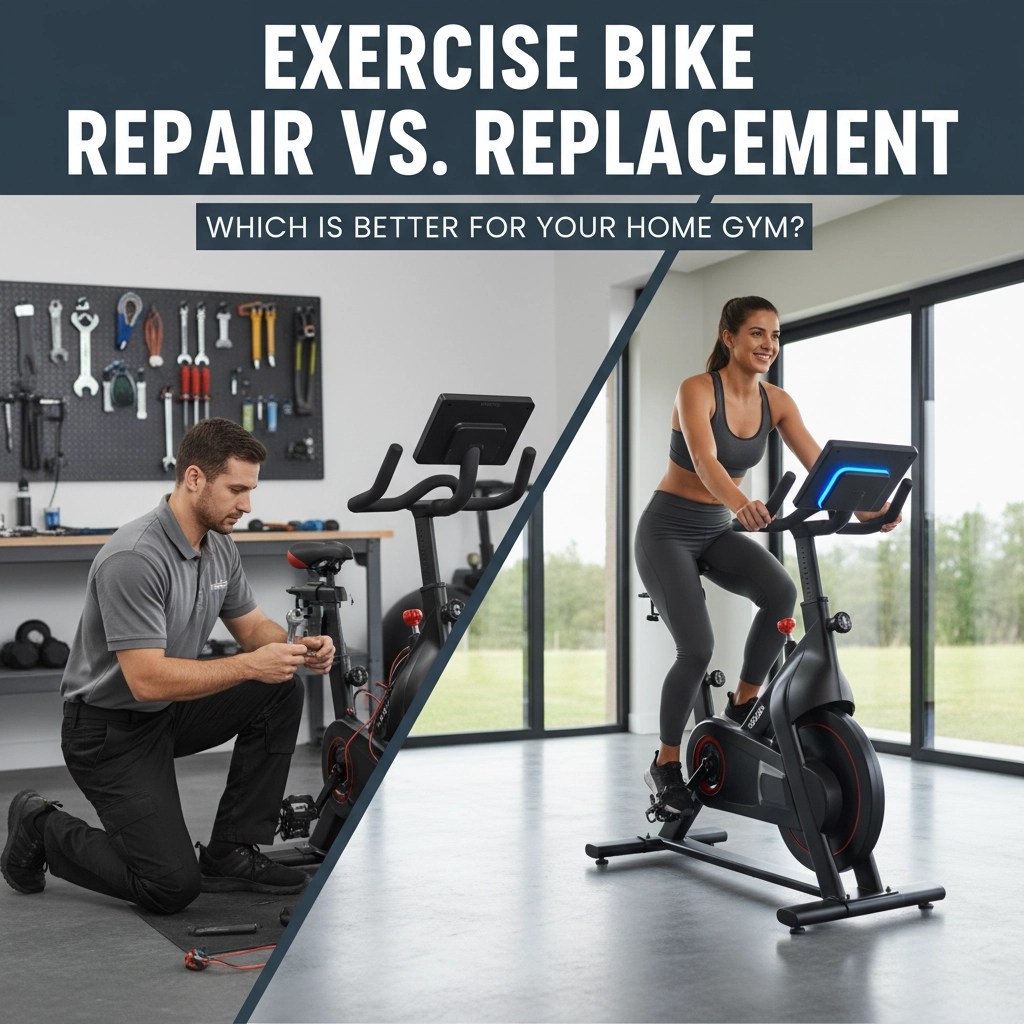
Your exercise bike has been your faithful workout companion for years, helping you crush fitness goals and maintain your health journey. But now it’s making strange noises, the resistance isn’t working properly, or the display has gone completely dark. You’re faced with a critical decision that every home gym owner encounters: should you invest in repairing your current bike or take the leap and replace it entirely?
This decision impacts not just your wallet, but your entire fitness routine and long-term wellness goals. The wrong choice could leave you with ongoing headaches, unexpected costs, or equipment that fails you when you need it most. Let’s dive deep into the factors that will help you make the smartest choice for your home gym investment.
The Golden Rule: The 50 Percent Threshold
The fitness equipment industry has a tried-and-true guideline that cuts through the confusion: the 50 Percent Rule. If your repair costs exceed 50% of what it would cost to replace your bike with a comparable new model, replacement becomes the financially smarter choice.
Here’s how it works in practice: Imagine your exercise bike needs a new resistance mechanism that costs $300 to repair. If a similar new bike costs $500, that repair represents 60% of replacement cost: time to shop for a new bike. However, if comparable new bikes cost $1,000, that same $300 repair is only 30% of replacement cost, making repair the clear winner.
This rule serves as your financial north star, but it’s just the beginning of your decision-making process.
Understanding Common Exercise Bike Problems and Repair Costs
Before you can apply the 50 Percent Rule effectively, you need to understand what you’re dealing with. Exercise bikes typically develop predictable issues as they age, and knowing the common problems helps you anticipate costs and make informed decisions.
Resistance System Failures are among the most frequent and costly issues. Whether your bike uses magnetic, friction, or air resistance, these systems wear out over time. Repairs typically range from $150-$300 depending on the complexity and type of resistance mechanism.
Display Console Problems affect your ability to track workouts and can indicate deeper electrical issues. Simple display replacements might cost $75-$150, while complex electronic system repairs can reach $200-$250.
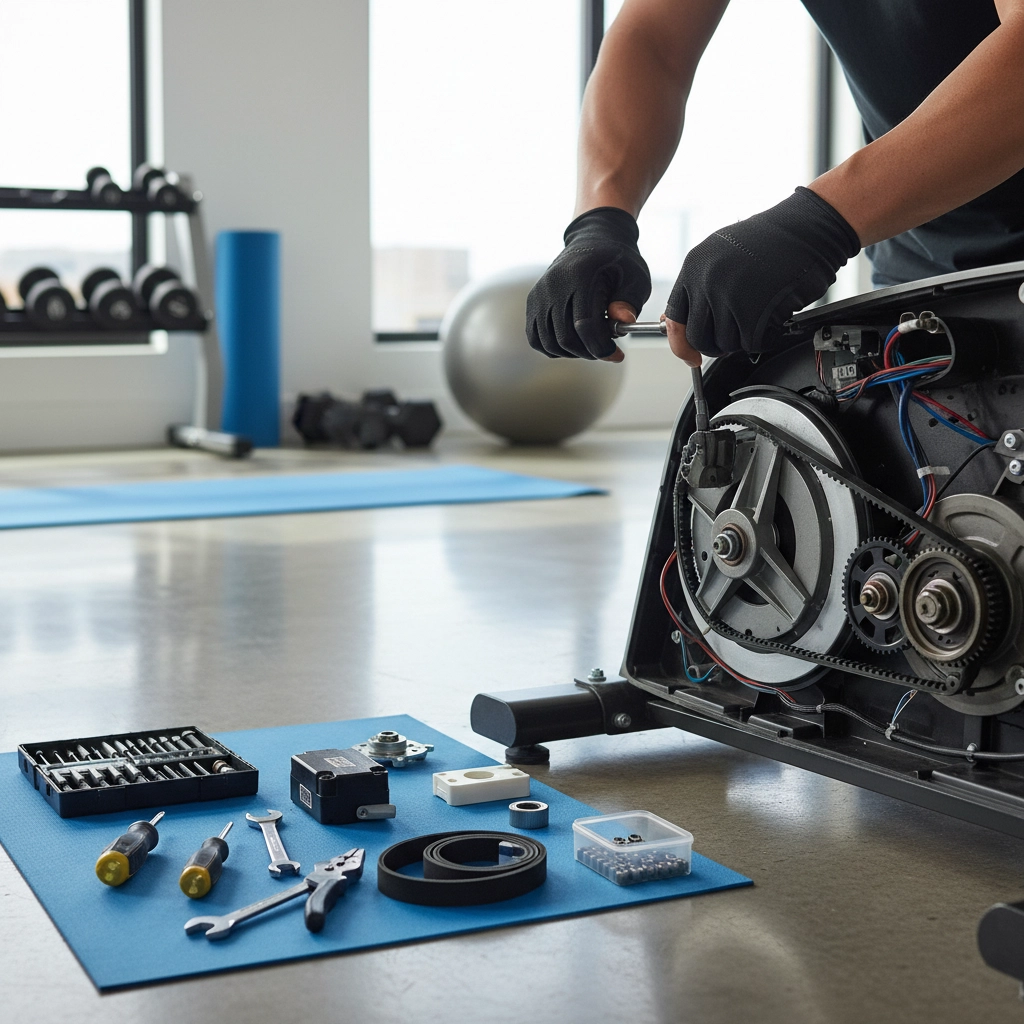
Belt and Drive System Issues often manifest as slipping, squeaking, or grinding sounds. Belt replacements are relatively affordable at $50-$100, but if the entire drive system needs overhaul, costs can climb to $200-$300.
Pedal and Crank Problems can create safety hazards and typically require immediate attention. Depending on the severity, these repairs range from $75 for simple pedal replacement to $200+ for crank assembly issues.
Frame and Structural Issues are the most serious problems, often indicating that your bike has reached the end of its practical life. These repairs can be costly and may not provide long-term reliability.
When Repair Makes Perfect Sense
Choosing repair over replacement isn’t just about immediate cost savings: it’s about maximizing the value of your original investment and maintaining continuity in your fitness routine.
Repair is your best bet when:
Your bike is relatively new and the problem is isolated to one component. A two-year-old bike with a faulty display console likely has many years of reliable service ahead after a targeted repair.
The repair cost falls comfortably below the 50% threshold. When repairs cost 25-40% of replacement value, you’re getting excellent value by extending your equipment’s life.
You’re dealing with a minor mechanical issue that doesn’t affect safety or core functionality. Belt adjustments, minor electrical fixes, or cosmetic repairs often cost little but add significant life to your equipment.
Replacement parts are readily available and reasonably priced. Popular brands with strong parts support make repair more viable than obscure models with expensive or hard-to-find components.
Your current bike meets all your fitness needs and preferences. If you’re happy with the features, comfort, and performance, repair lets you keep what works without adaptation time.
When Replacement Becomes the Smarter Investment
Sometimes, holding onto aging equipment becomes more expensive and frustrating than starting fresh. Recognizing when to let go is crucial for your long-term fitness success and financial well-being.
Replacement makes sense when:
You’re facing the second or third major repair on the same bike. Multiple breakdowns indicate systemic problems that will likely continue, turning your bike into a money pit.
The repair cost exceeds 50% of replacement value, especially if it approaches 75-80% of new bike costs. At these levels, you’re essentially paying for a new bike but getting old technology.
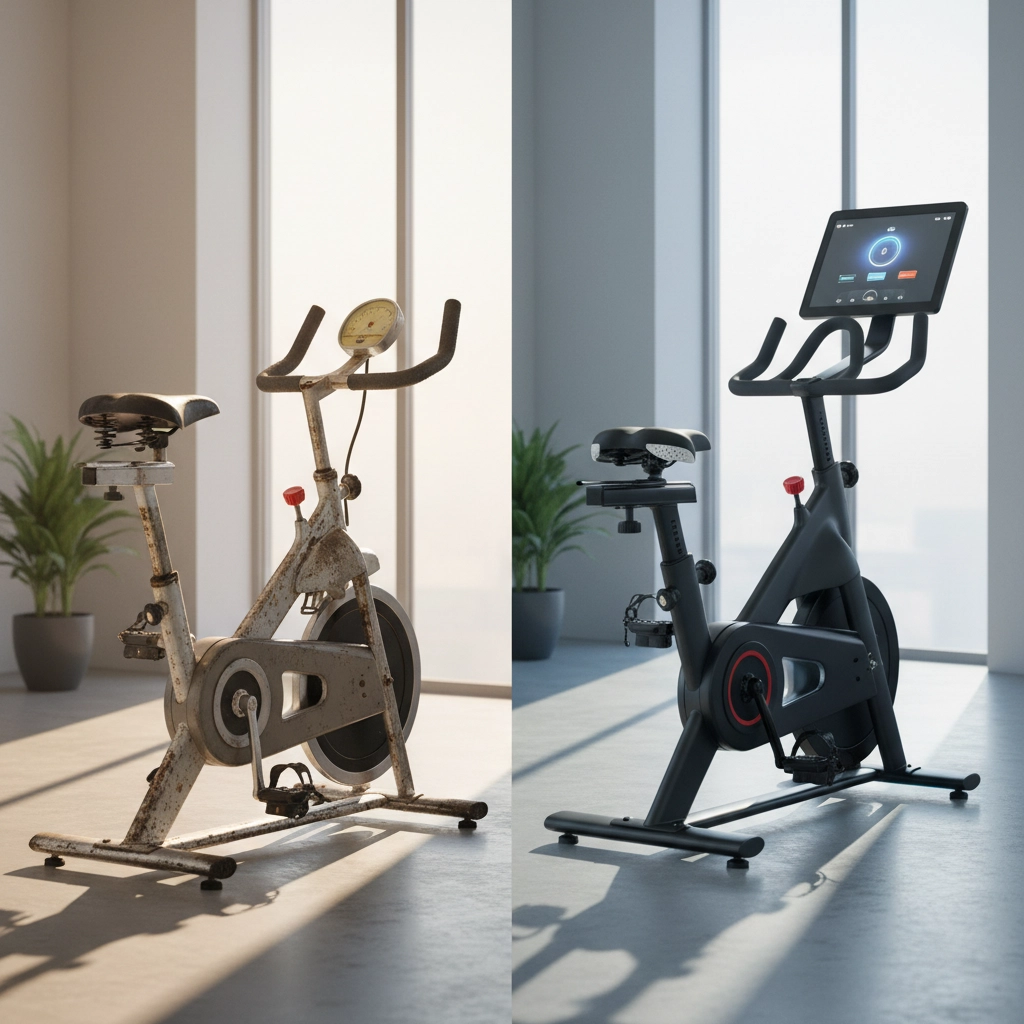
Your bike lacks modern features that could enhance your workouts. Today’s exercise bikes offer connectivity, advanced programming, better ergonomics, and safety features that older models can’t match.
Safety components are compromised. Frame cracks, brake failures, or structural instability create injury risks that no amount of money should ignore.
You’re spending more time troubleshooting and maintaining than actually exercising. When equipment becomes a constant source of frustration, it’s defeating the purpose of having a home gym.
The bike is significantly outdated and doesn’t integrate with your current fitness goals or technology preferences. If you find yourself avoiding workouts because the equipment feels outdated or cumbersome, replacement can reignite your motivation.
Critical Decision Factors Beyond Cost
While the 50 Percent Rule provides excellent financial guidance, several other factors deserve consideration in your repair vs. replacement decision.
Age and Overall Condition matter tremendously. A five-year-old bike with good maintenance history and one failing component has different prospects than a ten-year-old bike showing multiple signs of wear. Consider the equipment’s total lifespan and remaining useful years.
Frequency of Use directly impacts wear patterns and future reliability. If you use your bike daily, even a perfect repair might only delay inevitable additional problems. Light users might get years more service from a properly repaired bike.
Parts Availability and Support can make or break repair viability. Popular brands with strong service networks make repair straightforward, while discontinued models or obscure brands might face parts shortages that make future maintenance impossible.
Technology Evolution in fitness equipment moves rapidly. Features that seemed advanced five years ago might now feel primitive. Consider whether staying current with technology trends matters for your motivation and workout effectiveness.
Warranty Considerations can tip the scales significantly. New equipment typically comes with comprehensive warranties that provide peace of mind and reduce future maintenance costs.
Making the Smart Choice for Your Situation
Your decision ultimately depends on balancing immediate costs against long-term value, convenience, and satisfaction with your home gym experience.
For the Budget-Conscious Home Gym Owner: Focus primarily on the 50 Percent Rule and choose repair when it makes clear financial sense. Prioritize preventive maintenance to avoid major repairs and extend equipment life.
For the Serious Fitness Enthusiast: Consider the total cost of ownership, including potential future repairs, downtime, and the value of modern features. Sometimes paying more upfront for replacement saves money and frustration long-term.
For the Technology-Forward User: Factor in the value of modern connectivity, programming options, and integration with fitness apps. These features might justify replacement even when repair costs fall below the 50% threshold.
For the Safety-First Approach: Never compromise on safety components. When structural integrity, braking systems, or other safety-critical elements are involved, replacement is usually the only responsible choice.
Your Action Plan
Start with professional diagnosis to understand exactly what’s wrong and get accurate repair estimates. Many issues that seem major might have simple, inexpensive solutions, while apparently minor problems might indicate deeper systemic issues.
Research replacement options in your price range to establish accurate comparison costs for the 50 Percent Rule. Don’t compare repair costs against premium models if you’d actually buy a mid-range replacement.
Consider your home gym’s role in your overall fitness strategy. If this equipment is central to your routine, factor in the cost of gym memberships or alternative arrangements during extended repair periods.
Think about timing. If you can delay the decision, end-of-year sales or new model releases might affect replacement costs and shift your calculation.
Remember that the cheapest immediate option isn’t always the most economical long-term choice. Sometimes investing in quality replacement equipment saves money, time, and frustration over the next several years.
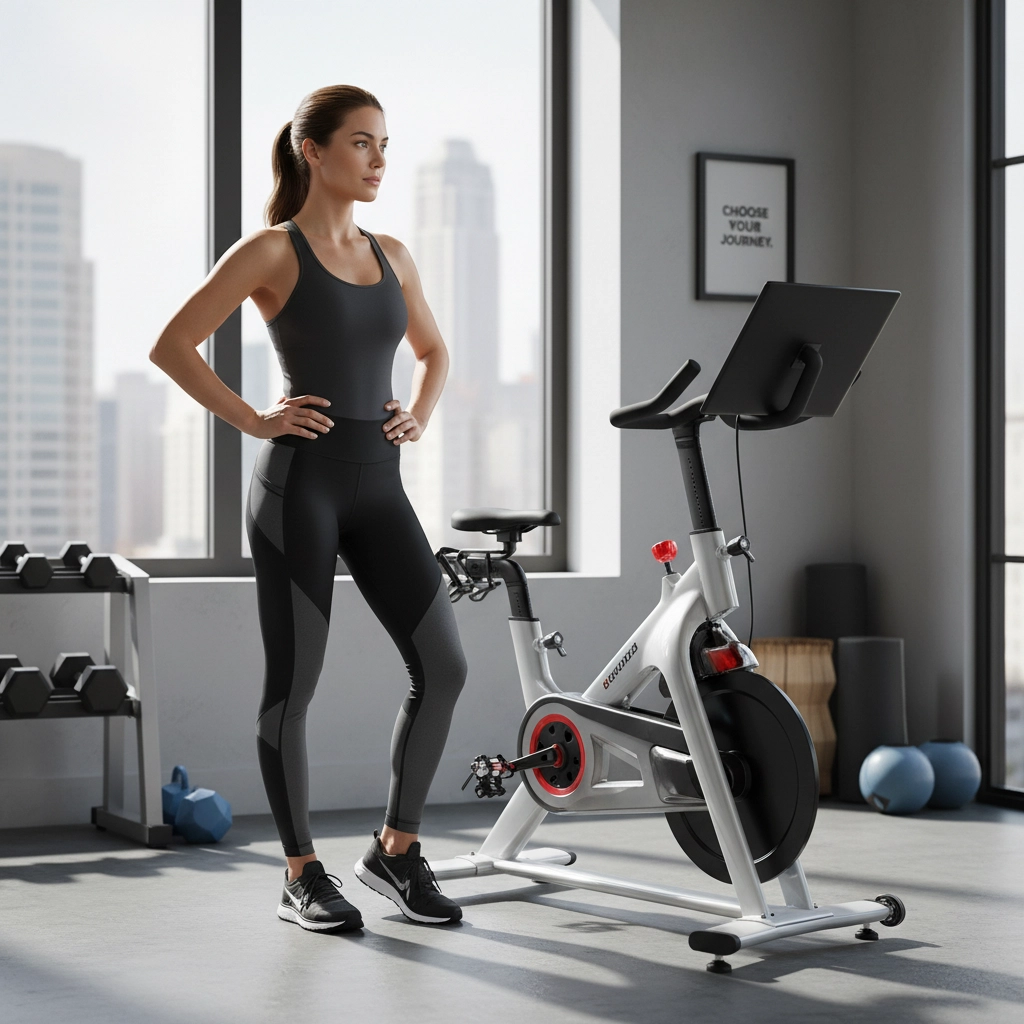
Your exercise bike decision reflects your commitment to long-term health and fitness success. Whether you choose repair or replacement, make the decision that supports your wellness journey and provides reliable, safe equipment for years to come. The right choice today keeps you moving toward your fitness goals without interruption or unnecessary expense.
Need professional diagnosis or repair services for your exercise bike? Contact our expert team at HeartBeat Fitness Repair for honest assessments and quality service that helps you make the best decision for your home gym investment.
 Heartbeat Fitness Repair
Leave a comment