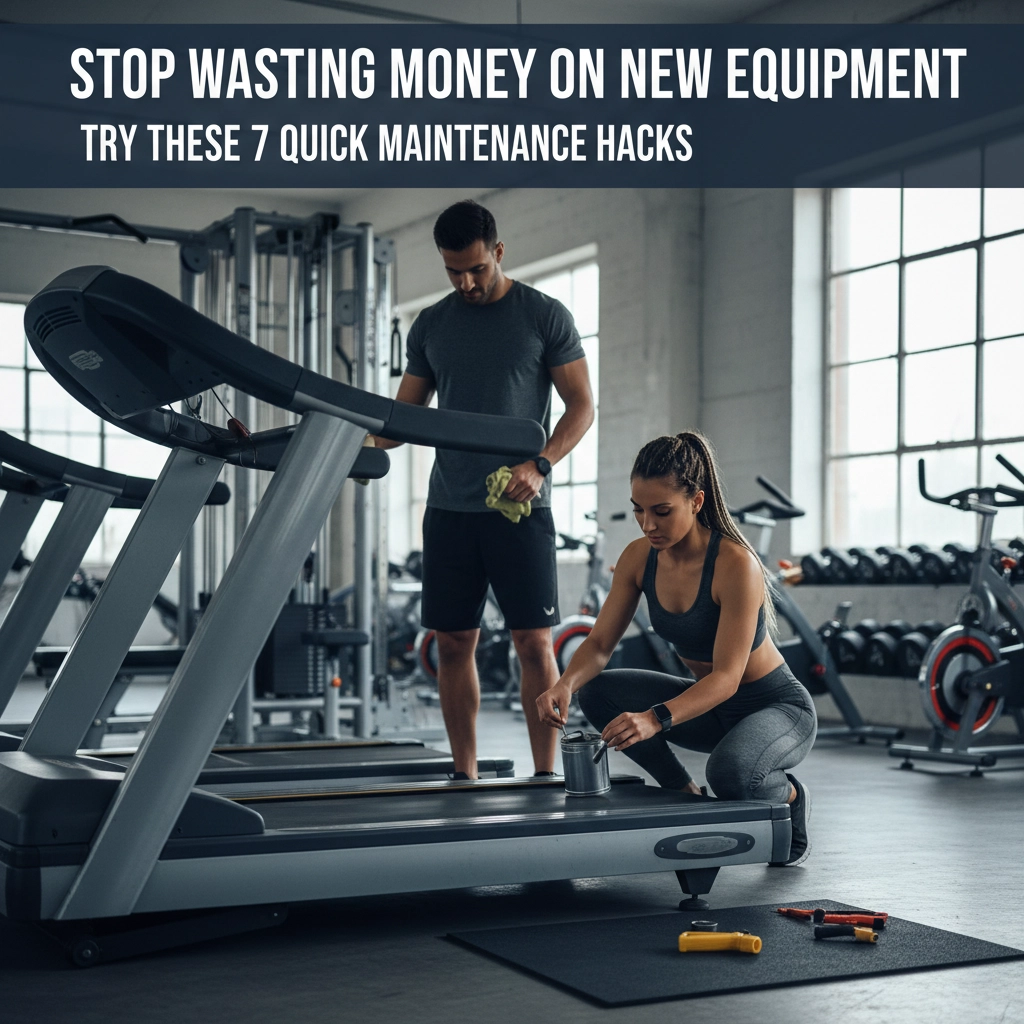
Your home gym represents a significant investment in your health and fitness journey. But here’s the hard truth: most fitness equipment failures aren’t due to manufacturing defects or natural wear and tear: they’re the result of poor maintenance habits that could have been easily prevented.
Every year, countless gym owners and fitness enthusiasts spend thousands of dollars replacing equipment that could have lasted decades with proper care. The difference between a treadmill that runs smoothly for 20 years versus one that breaks down after 3? It’s all in the maintenance.
At HeartBeat Fitness Repair, we’ve seen it all. From seized bearings that could have been prevented with a $5 tube of grease to complete motor failures that started as a simple belt misalignment. The good news? You don’t need to be a certified technician to dramatically extend your equipment’s lifespan.
Here are seven maintenance hacks that will save you thousands of dollars and keep your fitness equipment running like new for years to come.
Hack #1: Master Precision Lubrication
Most people either over-lubricate or under-lubricate their equipment: both mistakes are costly. Too much grease attracts dust and debris, creating an abrasive paste that accelerates wear. Too little leaves metal parts grinding against each other, causing premature failure.
The solution is precision lubrication using a quality grease gun with metered output. This allows you to dispense exact amounts every time. For most fitness equipment, you’ll want to apply just enough grease to create a thin, protective film on moving parts.
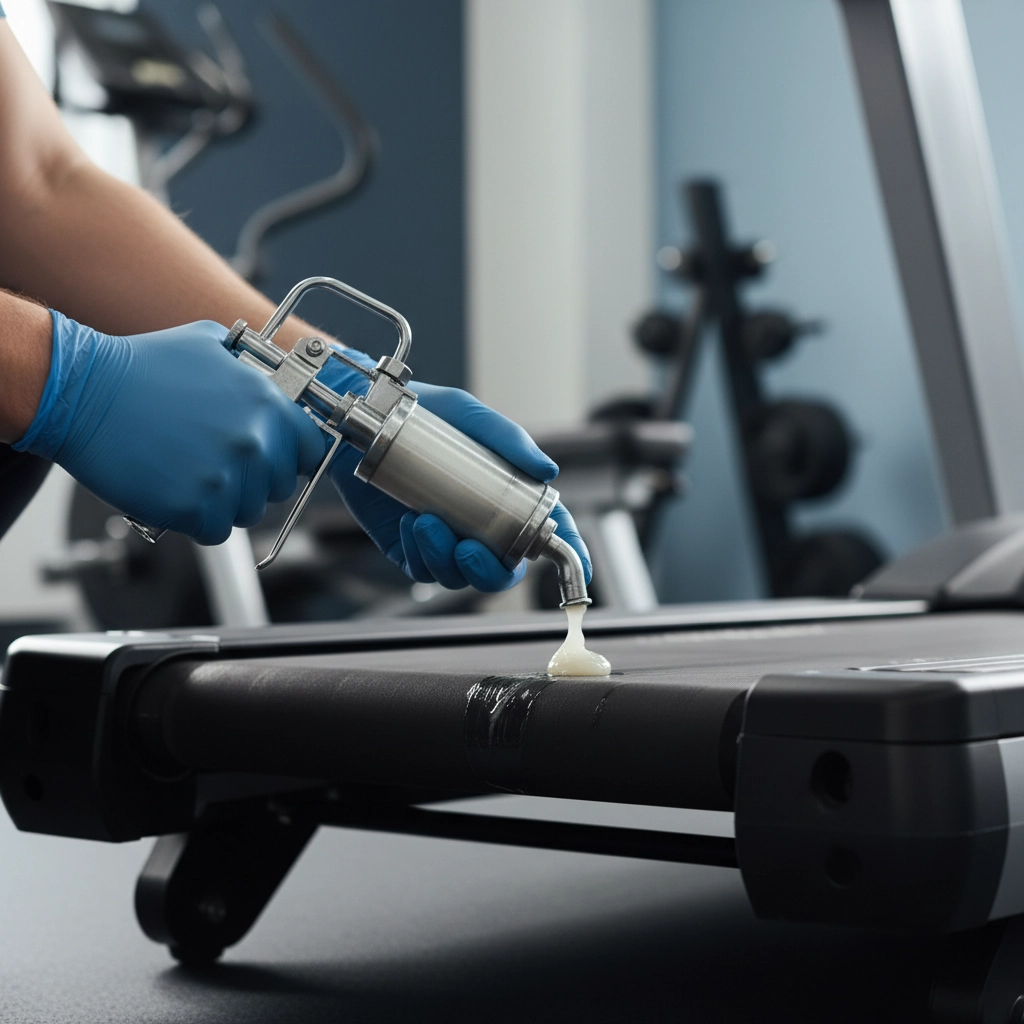
For treadmill deck maintenance, apply a thin layer of silicone lubricant every 40-50 hours of use. For weight machines, focus on pivot points and cable pulleys every 3-6 months. The key is consistency: set reminders and stick to a schedule rather than waiting until you hear squeaking or grinding sounds.
Hack #2: Match Your Lubricants to the Environment
Not all greases and oils are created equal, and using the wrong type can actually damage your equipment. Your home gym’s environment determines which lubricants will perform best.
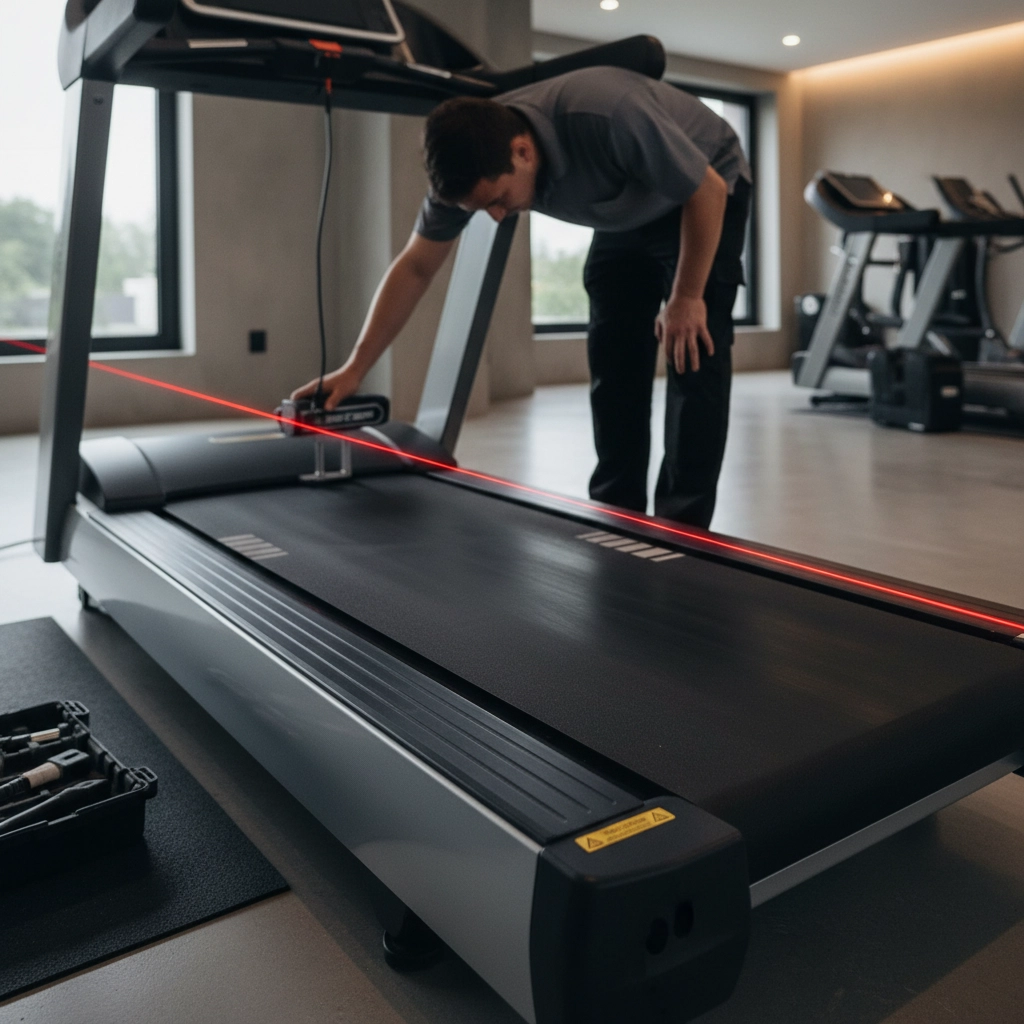
High-temperature environments (like garages that get hot in summer) require synthetic lubricants designed to withstand heat without breaking down. If your equipment is in a humid basement, you’ll need moisture-resistant formulations that won’t wash away or promote rust.
For cardio equipment operating in air-conditioned environments, standard lithium-based greases work well. But if your elliptical sits near a window where it gets direct sunlight, upgrade to a high-temp synthetic that won’t thin out when heated.
Always check your equipment manual for specific lubricant recommendations. Using the manufacturer’s specified products ensures optimal performance and may be required to maintain your warranty.
Hack #3: Implement Laser-Accurate Alignment
Misalignment is the silent killer of fitness equipment. When belts, wheels, or moving parts aren’t properly aligned, they create uneven wear patterns that lead to premature failure of bearings, motors, and structural components.
While many people try to align equipment by eye, this approach is woefully inadequate. Investing in basic laser alignment tools: or even a quality digital level: ensures precision that prevents costly damage.
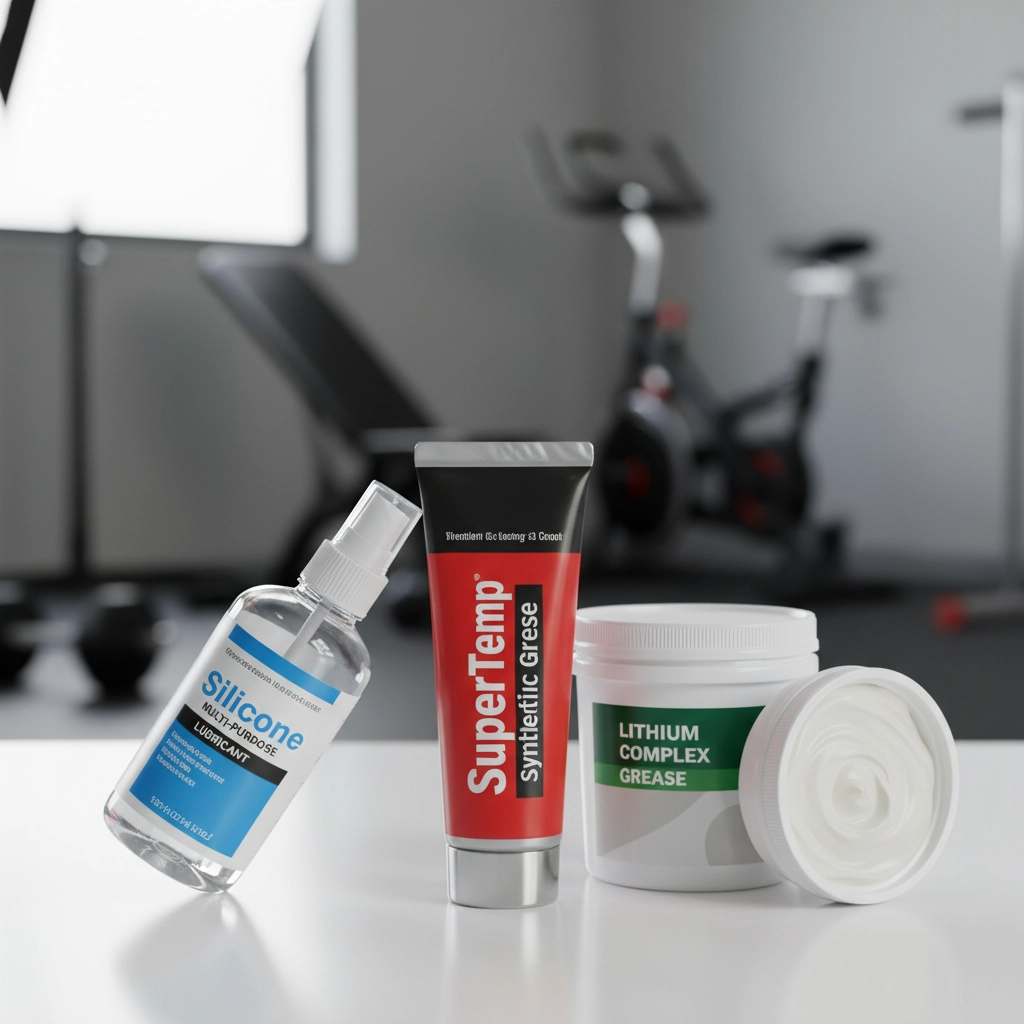
For treadmills, check belt alignment monthly. A properly aligned belt should track straight down the center of the deck. For stationary bikes, ensure the flywheel and drive mechanisms are perfectly aligned to prevent chain or belt stretch.
Even small misalignments compound over time. A belt that’s off by just a few millimeters will create stress points that eventually lead to motor failure, deck damage, or bearing replacement: repairs that often cost more than the original equipment.
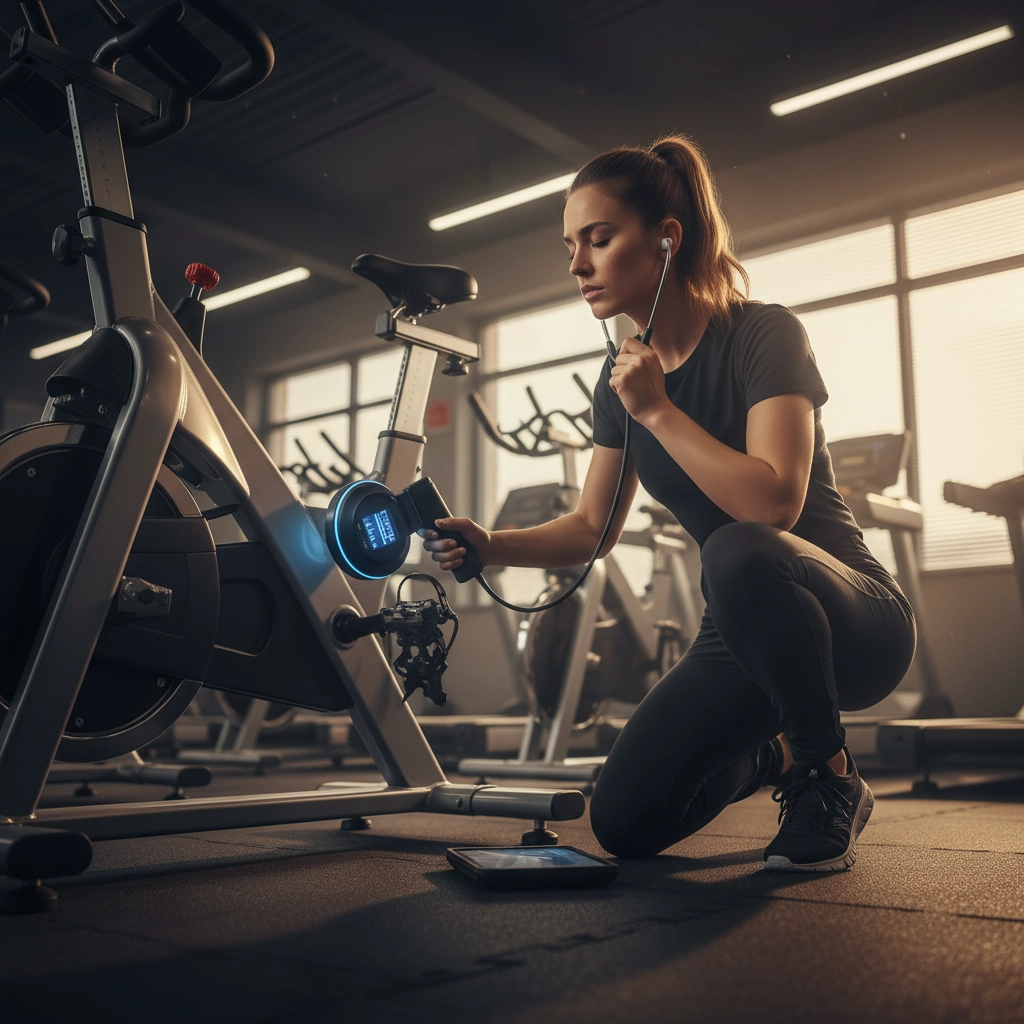
Hack #4: Use Sound as Your Early Warning System
Your fitness equipment constantly communicates its condition through sound. Learning to “listen” to your equipment can prevent catastrophic failures and save you thousands in replacement costs.
Healthy equipment runs quietly and smoothly. Any new sounds: clicks, squeaks, grinding, or whirring: indicate developing problems that need attention. The key is addressing these warnings before they become emergencies.
Keep a maintenance log noting any new sounds, when they occur, and under what conditions. A rhythmic clicking might indicate a loose bolt. A high-pitched squeal often signals belt or bearing issues. Grinding sounds typically mean lubrication problems or component wear.
Professional technicians use acoustic emission tools to detect bearing failures weeks before they become critical. While you don’t need professional-grade equipment, developing a habit of listening during your workouts can catch problems early when they’re still inexpensive to fix.
Hack #5: Harness the Power of Thermal Imaging
Heat signatures reveal hidden problems that visual inspections miss entirely. Overheating components are usually failing components, and catching them early prevents cascading failures that destroy entire systems.
Modern handheld thermal cameras have become surprisingly affordable and can spot electrical problems, bearing failures, and motor issues before they become visible or audible. Hot spots indicate increased friction, electrical resistance, or failing components.
For fitness equipment, thermal imaging excels at detecting:
- Overloaded motors running too hot
- Electrical connections developing resistance
- Bearings beginning to fail
- Belt or chain friction points
- Cooling system inefficiencies
Schedule monthly thermal scans of your equipment, paying special attention to motors, electrical panels, and high-wear components. Document temperature readings to track trends over time.
Hack #6: Create a Color-Coded Organization System
Efficient maintenance requires organized tools and parts. A color-coded system dramatically reduces maintenance time while preventing costly errors that can damage your equipment.
Use colored tape or paint to designate different tools, lubricants, and replacement parts for each type of equipment. For example, red for treadmill maintenance, blue for weight machines, green for cardio equipment. This system prevents using the wrong lubricant or incorrectly sized parts.
Organization extends beyond tools to include:
- Maintenance schedules and checklists
- Parts inventory and ordering systems
- Service records and warranty documentation
- User manuals and technical documentation
The time invested in creating organized systems pays dividends in reduced downtime, faster repairs, and fewer maintenance errors. When you can quickly locate the right tools and parts, routine maintenance becomes less of a chore and more likely to be performed consistently.
Hack #7: Establish a Bulletproof Preventive Maintenance Schedule
The most powerful hack isn’t a technique or tool: it’s a mindset shift from reactive to proactive maintenance. Preventive maintenance schedules transform equipment care from crisis management to routine upkeep.
Create detailed checklists for each piece of equipment covering daily, weekly, monthly, and annual maintenance tasks. Daily checks might include visual inspections and cleaning. Weekly tasks could involve lubrication and safety checks. Monthly maintenance includes deeper inspections and alignment verification. Annual service covers comprehensive overhauls and part replacements.
Document everything. Track maintenance completion dates, note any issues discovered, and record parts used or replaced. This documentation helps identify patterns, optimize maintenance intervals, and provides valuable information for warranty claims or professional service calls.
Your preventive maintenance schedule should include:
- Cleaning and dust removal
- Lubrication and fluid checks
- Belt tension and alignment verification
- Electrical connection inspection
- Safety feature testing
- Calibration verification
- Wear pattern assessment
The Bottom Line: Prevention Pays
These seven maintenance hacks represent the difference between equipment that lasts decades versus equipment that needs premature replacement. The initial investment in proper tools, lubricants, and systems pays for itself many times over through extended equipment life and reduced repair costs.
Remember, every piece of fitness equipment in your gym wants to serve you reliably for years. By implementing these maintenance strategies, you’re not just saving money: you’re ensuring your fitness journey isn’t interrupted by preventable equipment failures.
Ready to transform your equipment maintenance approach? Start with hack #1 today, and gradually implement the remaining strategies over the coming weeks. Your equipment: and your wallet: will thank you.
If you need professional assistance implementing these maintenance strategies or addressing existing equipment issues, contact our expert team at HeartBeat Fitness Repair. We’re here to help you maximize your fitness equipment investment.
 Heartbeat Fitness Repair
Leave a comment