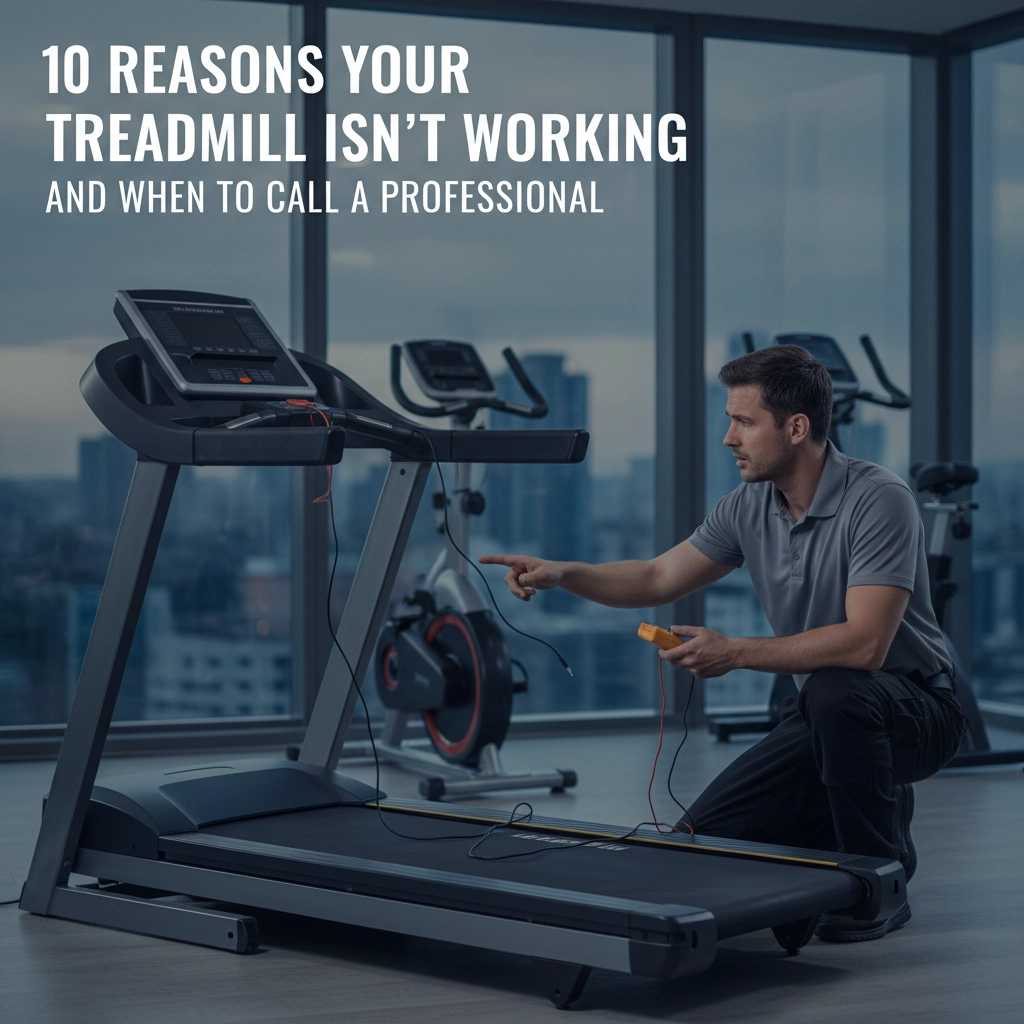
Nothing’s more frustrating than jumping on your treadmill for a morning workout, only to find it won’t start. Whether you’re dealing with a dead display, strange noises, or a belt that won’t move, treadmill problems can throw a wrench in your fitness routine. Before you start searching for “treadmill repair near me,” let’s walk through the most common issues that could be causing your machine to act up.
Most treadmill problems fall into predictable categories, and knowing what to look for can save you time and money. Some fixes are simple enough for any homeowner to tackle, while others definitely require professional gym equipment repair services. Let’s break down the top 10 reasons your treadmill might be giving you trouble.
1. Power Supply Issues
The most basic problem is often the most overlooked one. Your treadmill needs consistent electrical power to function, and power issues can manifest in several ways.
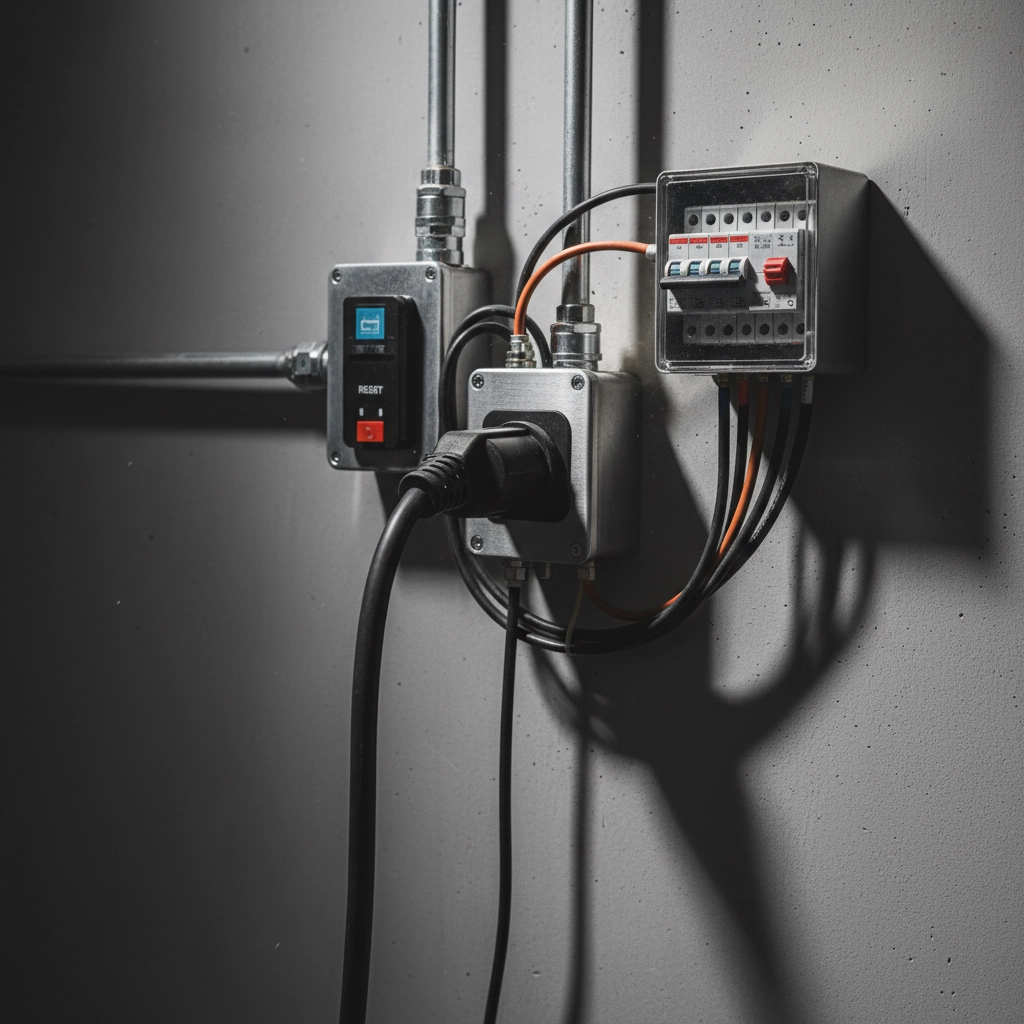
Start with the obvious stuff: make sure your treadmill is actually plugged in securely. Test the outlet by plugging in something else like a lamp or phone charger. If that works fine, check your home’s circuit breaker – treadmills draw significant power and can trip breakers, especially if you’re running other high-power devices on the same circuit.
Look at the power cord itself for any visible damage like cuts, kinks, or burned areas. A damaged power cord is a safety hazard and needs immediate replacement. Some treadmills also have internal fuses that can blow and need replacement.
2. Safety Key Problems
Every treadmill has a safety key – that little magnetic piece that you’re supposed to attach to your shirt. This isn’t just a suggestion; it’s a critical safety feature that prevents the machine from operating without it.
If your treadmill won’t start, check that the safety key is properly inserted and making good contact. Sometimes these keys get damaged, bent, or the magnetic connection weakens over time. Try cleaning both the key and the console connection point with a damp cloth to remove any dust or debris.
3. Belt Slippage and Misalignment
A slipping or misaligned belt is one of the most common treadmill complaints. You’ll notice this when the belt feels like it’s sliding under your feet, makes squeaking noises, or drifts to one side while you’re walking or running.
Belt problems usually come down to three things: tension, alignment, and lubrication. Most treadmills have adjustment bolts at the rear that let you tighten the belt and correct alignment issues. The belt should be tight enough that you can lift it about 2-3 inches in the center, but not so tight that it’s difficult to move by hand.
Regular lubrication with treadmill-specific silicone lubricant keeps the belt moving smoothly over the deck. Never use household oils or lubricants – they can damage the belt material.
4. Motor Malfunctions
The motor is your treadmill’s heart, and when it starts failing, you’ll know it. Motor problems can show up as unusual noises like grinding, squealing, or humming without the belt moving. You might also notice the belt moving erratically, stopping and starting randomly, or not responding to speed changes.
A burning smell is a serious red flag that often indicates motor overheating or electrical issues. If you smell burning plastic or electronics, stop using the machine immediately and unplug it.
Motor problems are typically beyond DIY repair and require professional gym equipment repair services. Attempting to fix motor issues yourself can be dangerous and will likely void your warranty.
5. Console and Display Errors
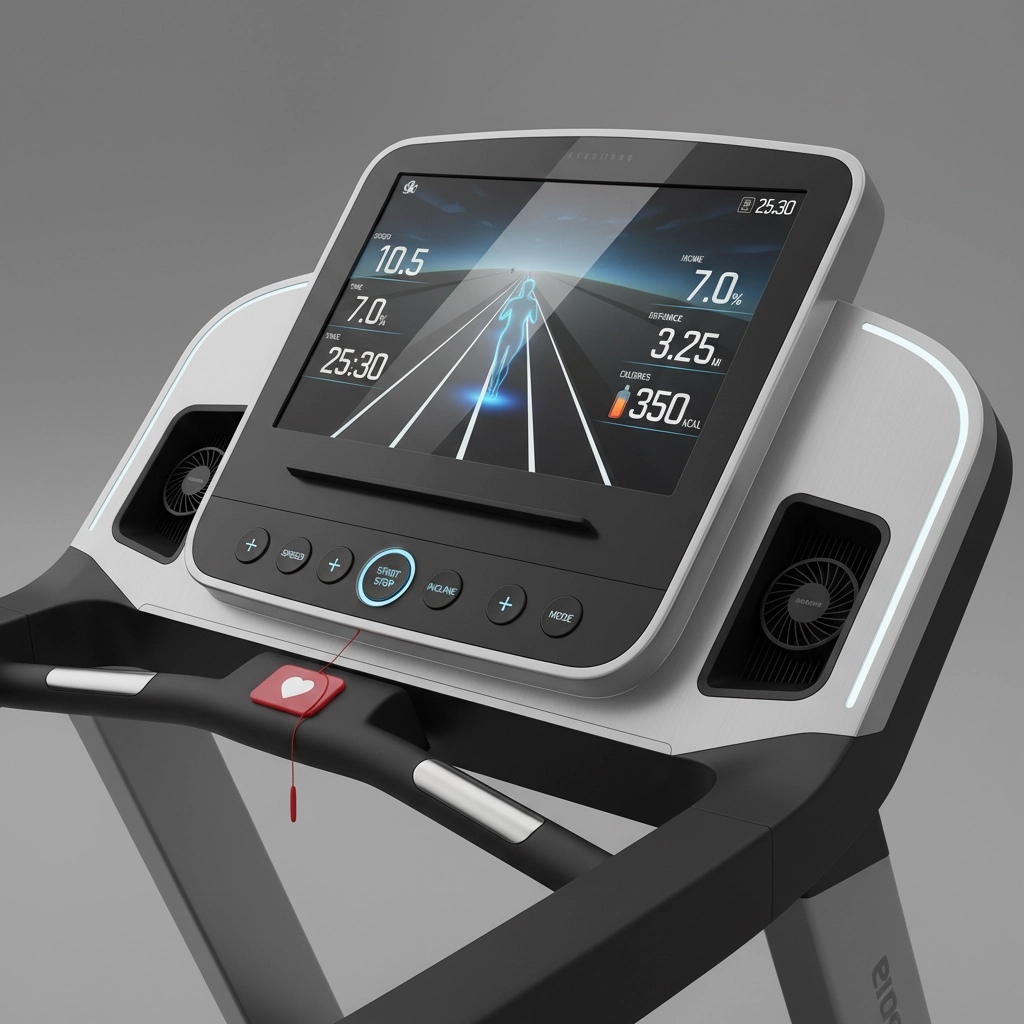
Modern treadmills have sophisticated control systems, and when they malfunction, they often display error codes or simply go completely dark. Common console problems include flickering displays, unresponsive buttons, or error messages that won’t clear.
First, try the basic reset: unplug the treadmill for 60 seconds, then plug it back in. This clears temporary software glitches that can cause display issues. If you’re seeing specific error codes, check your owner’s manual – most manufacturers include a troubleshooting section that explains what different codes mean.
6. Speed Control Problems
Speed issues can range from the treadmill not reaching its maximum speed to sudden speed changes that can be dangerous. You might notice the belt hesitating when you increase speed, or it might jump to full speed regardless of your settings.
Speed problems often trace back to sensor issues, motor problems, or control board malfunctions. The speed sensor, usually located near the front roller, needs to maintain proper alignment with its corresponding magnet to accurately track belt speed.
7. Wiring and Connection Issues
Treadmills have numerous electrical connections that can work loose over time due to vibration and regular use. Loose connections can cause intermittent problems that are hard to diagnose – your treadmill might work fine one day and act up the next.
Before inspecting any wiring, always disconnect the power completely. Look for obviously loose connections, burned wires, or corroded terminals. However, most electrical issues should be left to professionals who have the right tools and expertise to diagnose and repair them safely.
8. Worn Deck and Friction Issues
The deck is the surface your belt runs over, and it wears down over time. A worn deck creates excessive friction, making the motor work harder and potentially causing belt damage. You’ll notice this as increased noise, reduced performance, or the belt feeling sluggish.
Some treadmill decks can be flipped once they show wear on one side, effectively doubling their lifespan. Others need complete replacement when they wear out. Regular lubrication helps prevent premature deck wear.
9. Incline System Failures
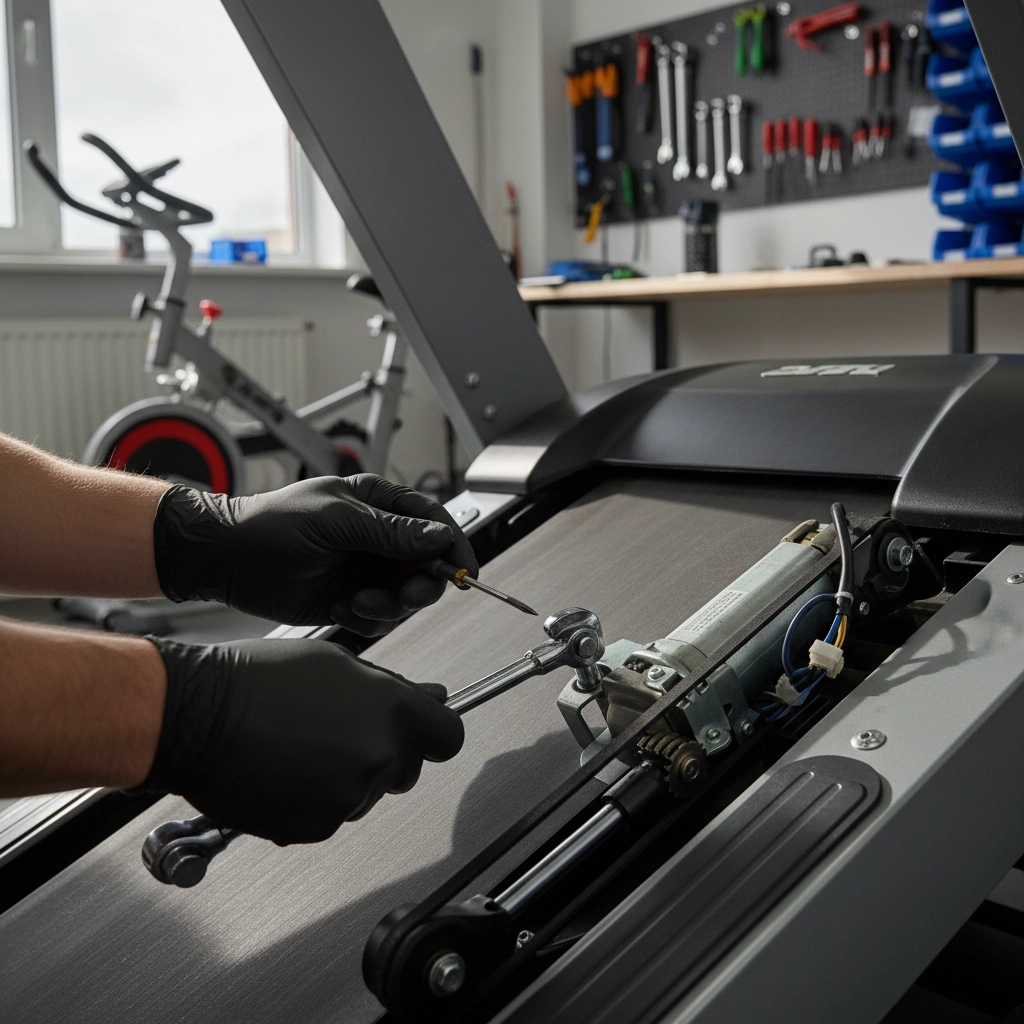
If your treadmill has an incline feature, it uses a separate motor and mechanism to raise and lower the running surface. Incline problems typically show up as the deck not responding to incline adjustments, moving very slowly, or making grinding noises during adjustment.
Incline motors can fail just like drive motors, and the mechanical components can bind up or break. These systems are complex and usually require professional repair when they fail.
10. Overheating Issues
Treadmills generate heat during operation, and they need proper ventilation to stay cool. Overheating can cause automatic shutdowns, reduced performance, or in severe cases, component damage.
Make sure your treadmill has adequate clearance around it for air circulation. Clean dust and debris from air vents regularly. If your treadmill is in a hot room or gets direct sunlight, consider relocating it or improving ventilation in the area.
When to Call a Professional
While some treadmill issues are perfect for DIY repair, others require professional expertise. Here’s when you should definitely call for professional gym equipment repair:
Electrical Issues: Anything involving the motor, control boards, or complex wiring should be handled by qualified technicians. Working with electrical components can be dangerous and may void your warranty.
Motor Problems: Motor repair or replacement requires specialized knowledge and tools. Professional motor repairs typically cost $200-500 depending on the issue and treadmill model.
Safety Concerns: If you’re experiencing sudden speed changes, erratic behavior, or burning smells, stop using the machine and call a professional immediately.
Warranty Considerations: If your treadmill is still under warranty, attempting DIY repairs on major components can void your coverage.
Complex Mechanical Issues: Problems with incline systems, belt tensioning mechanisms, or frame issues often require professional diagnosis and repair.
For exercise bike repair or other fitness equipment maintenance, many of the same principles apply. Professional technicians have the experience to quickly diagnose problems and access to manufacturer parts that aren’t readily available to consumers.
Regular maintenance can prevent many of these issues from developing in the first place. Keep your treadmill clean, lubricated, and properly adjusted, and it’ll provide years of reliable service. When problems do arise, knowing when to tackle them yourself and when to call professionals can save you time, money, and potential safety hazards.
If you’re experiencing persistent issues with your treadmill or other fitness equipment, don’t let them turn into bigger problems. Professional gym equipment repair services can get your machine back up and running safely, keeping your fitness routine on track.
 Heartbeat Fitness Repair
Leave a comment